
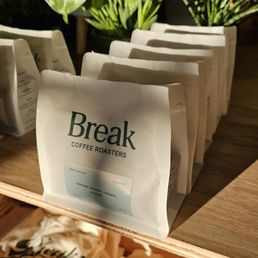
Break Coffee Roasters Photos


Break Coffee Roasters Popular Drinks


BREAK COFFEE ROASTERS ATMOSPHERE
What's the vibe?


You might also consider


More like Break Coffee Roasters
Recommended Reviews - Break Coffee Roasters
Start your review...

Reviews With Photos


I met up with a small group of friends on a Sunday afternoon. Parking was easy; there were plenty of spaces in front of and around the store. The space is beautiful and inviting. It was easy to find seating. The ordering process was also smooth. The staff could have been a tad bit friendlier. There was no greeting--just blank stares as I started the conversation and placed my order. My drink choice was a latte with mocha flavoring. It was okay. I'd return for the space.


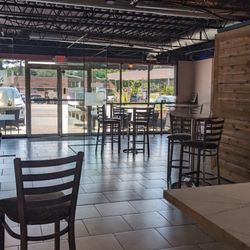
I happened to be in the area and had some time to kill so I stopped in. Upon entering the space it was filled with people with their laptops. There was a lot of seating. In addition to two tops, larger tables, seating at the windows overlooking Perry Street there is also seating at the bar/counter area. I noticed they did have pastries but I did not try any. Before ordering I usually ask what they are using for their espresso, origin. The barista said" I don't know, but I can ask if you really want to find out." That was odd. After he said that it let me know that they aren't really serious about coffee because how can you not know what your house blend is made of?? Anyway needless to say the photo you see of the cappuccino is how I left it, full. It was terrible. I guess the in-house roaster is just a cost-cutting method
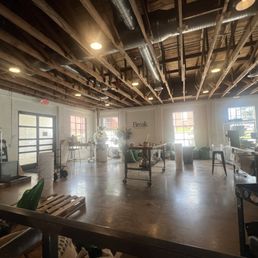

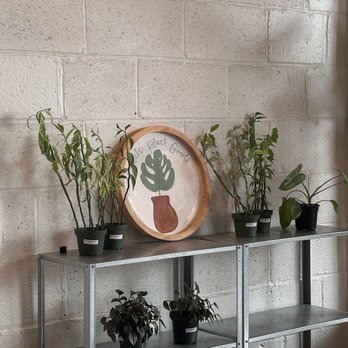
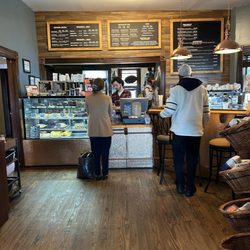
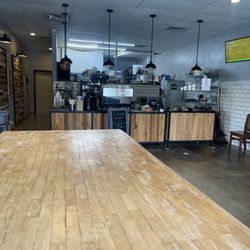
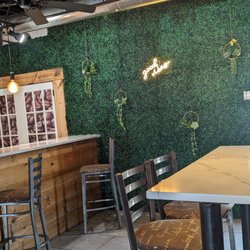
This place is huge! It's the size of two spaces combined. Very simple decor. They have live plants all over the space which made it feel like home. They only had two work staff, which was sufficient because their menu is very small. It's literally a coffee shop with a couple of different flavors of muffins parfait and some cold beverages in the fridge. Everything is kept very simple. In the back corner they have their storage room which is exposed and kept very clean. They were quite busy actually with a lot of people coming in to use as workspace. Very comfortable and inviting. Great place to meet up with friends or to do work. The coffee is pretty good as well. Simple and made to . Will definitely come back and use the space again.


came here to work, and love how spacious the area is! plenty of seating and outlets everywhere, and noise level is moderate, good enough for you to focus. i got the mocha latte, it was a little more chocolate-y than i expected and tasted just like a chocolate milk drink. but it was still delicious! my family got a lot of pastries and said they were great too. would definitely come here again if i could but im not from here haha, was a great cafe though!

This cafe is spacious and nice. I love the open space and seeing coffee machines in person. The latte banana bread looks super cute. I love the extra touch of the heart foam design.


The setting is spacious and cozy even though its balance between a work spot and a hang out spot, so it can get noisy. The drinks were great with plenty of options & I was mildly satisfied with the food options.

cozy plant vibes, spacious seating, and good wifi make this café perfect for study dates or work sessions! the chai latte was so warm and comforting, and i can't wait to come back for the pastries. if you're looking for a chill spot with a welcoming feel, this is a gem!


1 year ago
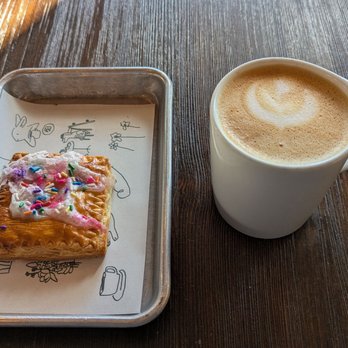
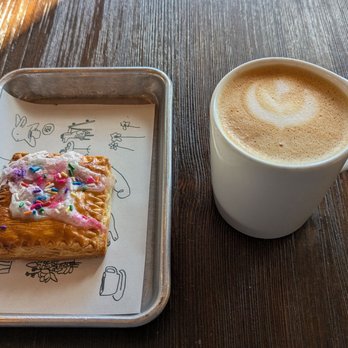
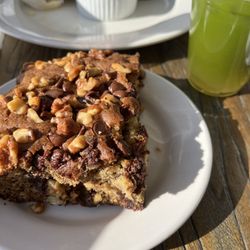
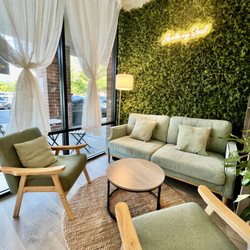
I was looking for a coffee spot near home where I could relax and I found it in Break Coffee Roasters. It's clean, well lit and airy. Plenty of spaces to sit and relax or get some work done. They offer tables and chairs, counter seating and comfy couches. I ordered an oat milk latte and homemade peach cobbler pop tart. They also had several flavored coffee available. The coffee was good but the pop tart missed the mark with the filling even though the party dough was crisp and buttery. I really enjoyed the overall vibe and look forward to a few more trips and spending time working there. read more

1 year ago
Great coffee. I got the Yirgacheffe pour-over at Market Price. Phenomenal, but expensive. I really need to try it again, with my usual drip coffee order and see how it compares to others. Great place to sit and read with your coffee: bright, recovered original building, Friendly staff. read more

Happened to be in the area looking for a coffee shop and stumbled upon the most perfect place. One thing about me- mixing plants and coffee will never be a combo gone wrong in my eyes. The place was massive and spacey. It was decorated very indie chic and felt very cozy. They had a decent selection of drinks and pastries, you could also buy plants and their brew mixes. I ordered a lavender cold brew with a dash of milk and it kept me wired all day. It tasted flowery and was not sugary at all, I loved it! I'll definitely be back for the vibes, a great place to grab coffee and sit down with a good book. There's a big lot in the back and street parking! read more


I met up with a small group of friends on a Sunday afternoon. Parking was easy; there were plenty of spaces in front of and around the store. The space is beautiful and inviting. It was easy to find seating. The ordering process was also smooth. The staff could have been a tad bit friendlier. There was no greeting--just blank stares as I started the conversation and placed my order. My drink choice was a latte with mocha flavoring. It was okay. I'd return for the space. read more


I happened to be in the area and had some time to kill so I stopped in. Upon entering the space it was filled with people with their laptops. There was a lot of seating. In addition to two tops, larger tables, seating at the windows overlooking Perry Street there is also seating at the bar/counter area. I noticed they did have pastries but I did not try any. Before ordering I usually ask what they are using for their espresso, origin. The barista said" I don't know, but I can ask if you really want to find out." That was odd. After he said that it let me know that they aren't really serious about coffee because how can you not know what your house blend is made of?? Anyway needless to say the photo you see of the cappuccino is how I left it, full. It was terrible. I guess the in-house roaster is just a cost-cutting method read more


This place is huge! It's the size of two spaces combined. Very simple decor. They have live plants all over the space which made it feel like home. They only had two work staff, which was sufficient because their menu is very small. It's literally a coffee shop with a couple of different flavors of muffins parfait and some cold beverages in the fridge. Everything is kept very simple. In the back corner they have their storage room which is exposed and kept very clean. They were quite busy actually with a lot of people coming in to use as workspace. Very comfortable and inviting. Great place to meet up with friends or to do work. The coffee is pretty good as well. Simple and made to . Will definitely come back and use the space again. read more
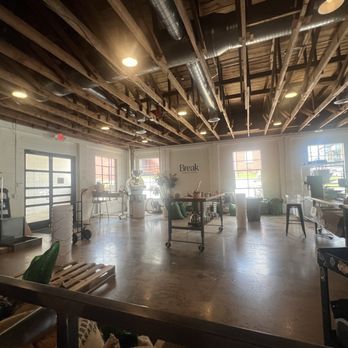


came here to work, and love how spacious the area is! plenty of seating and outlets everywhere, and noise level is moderate, good enough for you to focus. i got the mocha latte, it was a little more chocolate-y than i expected and tasted just like a chocolate milk drink. but it was still delicious! my family got a lot of pastries and said they were great too. would definitely come here again if i could but im not from here haha, was a great cafe though! read more


5 months ago

6 months ago

11 months ago

7 months ago

1 year ago
This cafe is spacious and nice. I love the open space and seeing coffee machines in person. The latte banana bread looks super cute. I love the extra touch of the heart foam design. read more


1 year ago


9 months ago
Food & hot matcha latte was delicious! Great study spot as well. Quiet & chill. One of my favorite cafes! read more


1 year ago
7 months ago

2 years ago
The setting is spacious and cozy even though its balance between a work spot and a hang out spot, so it can get noisy. The drinks were great with plenty of options & I was mildly satisfied with the food options. read more


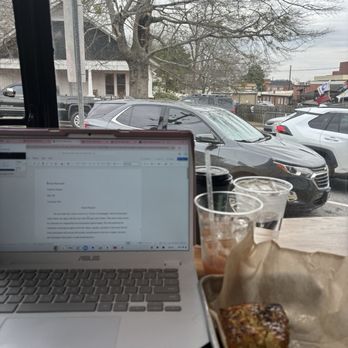


cozy plant vibes, spacious seating, and good wifi make this café perfect for study dates or work sessions! the chai latte was so warm and comforting, and i can't wait to come back for the pastries. if you're looking for a chill spot with a welcoming feel, this is a gem! read more


2 years ago
2 years ago
Best coffee shop in Gwinnett. The best coffee. all kinds of seating. Really warm and kind baristas. read more

2 years ago
More info about Break Coffee Roasters
235 N Perry St
Lawrenceville, GA 30046
Directions
(678) 824-5268
Call Now
Visit Website
https://breakroasters.com
Hours
Payment methods
Indoor Amenities
Outdoor Amenities
Other Amenities
From the Business
Ask the Community - Break Coffee Roasters
You might also consider






















Why does Yelp recommend reviews?
1 review that is not currently recommended
The reviews below are not factored into the business's overall star rating.
1 month ago


