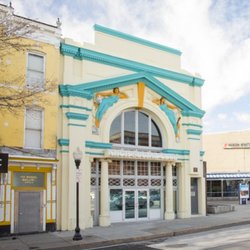
Baltimore Ghost Tours Photos



You might also consider


More like Baltimore Ghost Tours
Recommended Reviews - Baltimore Ghost Tours
Start your review...


Reviews With Photos
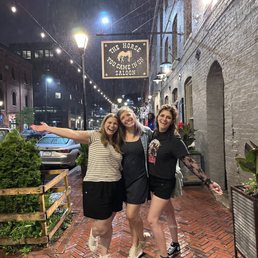
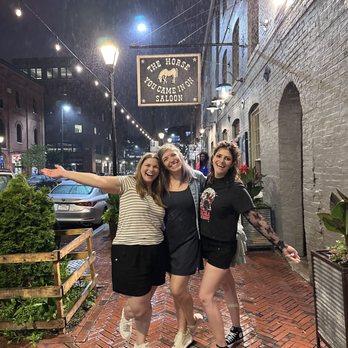
I don't think I can express accurately how much I recommend Baltimore Ghost Tours, but I will do my best. My friends and I had an absolute nightmare of a travel day from Houston and ended up in Baltimore almost 24 hours after our expected arrival time. This put us getting to Fells Point after the start of our Haunted Pub Crawl tour. Melissa was amazing in helping to accommodate us; she was truly a light in an otherwise disastrous start to our vacation. Not only did she offer to push the start time back (we were the only one's booked on the tour at the time), she also figured out how long it would take us to get from a new airport to Fells AND booked us on a tour the following day just in case. We ended up arriving about 30 minutes late (thanks to MORE airplane troubles!), and additional people had booked the tour by then, but Melissa let us know the order of the tour so we could meet Craig, our tour guide, wherever he was when we got there. The customer service was a 10/10. Now, onto the actual tour. What a blast we had!! Craig was so kind and understanding to us late arrivals. He made us feel instantly welcome and like we had been there from the start. He is one of the best storytellers I've ever heard and such a pleasure to talk to. I learned so much and have a new appreciation for the history and people in Baltimore. Craig, if you end up seeing this, thank you for completely turning our whole day around. I truly cannot recommend Baltimore Ghost Tours enough. From the ease of initial booking, to the customer service, to the amazing time we had with Craig - everything was a 10/10!!
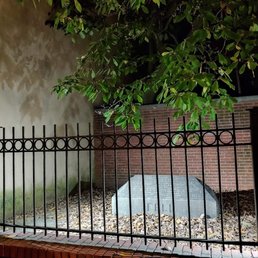

This was so much fun! We did the haunted pub tour, so we enjoyed spooky stories along with 20 minutes in 3 pubs for drinks. Shiv was the guide, and she was the perfect combination of story teller and comedian. The entire experience was highly enjoyable. Each guide tells different tales, and I'm looking forward to the next tour.
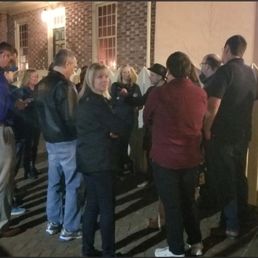
I organized two tours with this company, both a ghost and history tour of Fells Point. I went with about 20 people from my Meetup group that our host Tim took thorough Fells Point sharing all kinds of information about the neighborhood that made the evening both fun and entertaining! We would highly recommend this company if you are looking for a fun different evening out!

9 years ago
17 years ago
17 years ago
14 years ago
12 years ago
12 years ago
14 years ago
Page 2 of 2
More info about Baltimore Ghost Tours
(410) 357-1186
Call Now
Visit Website
http://www.baltimoreghosttours.com
Hours
Other Amenities
From the Business