Tilden's Scuba Center Photos


You might also consider


More like Tilden's Scuba Center
Recommended Reviews - Tilden's Scuba Center
Start your review...


Reviews With Photos

Went on a snorkeling trip from Isla Bella Resort with Squeak and Doug and it exceeded expectations! They were very clear with instructions and things that are implemented for the safety of the passengers. The boat was clean and there was a cooler for drinks, water, and a trash can! They were very knowledgeable and made sure we had the best time. We even got to see some dolphins on the way back in because they were so attentive!!! Will definitely be back here on future vacations!

Went scuba diving for the first time with Tilden's/dive isla Bella. I was very nervous going into it and it was something I thought I could never do but I felt much more comfortable after the pool training course. The knowledge and patience that this crew has is amazing and I couldn't have asked for a better first dive.


Very helpful, We thought they didn't have the piece I needed for my GoPro and the staff kept looking and looking and found the piece I needed the day before Mini Lobster season nonetheless!!! Will definitely go back whenever I need any diving or GoPro equipment.


I was in search of a company to dive with that only took a small number of Divers. Many in the area take snorkels and divers, up to 40 divers! Not what we wanted. On our trip 12 were scheduled but only 9 arrived...perfection! Our family had a great time diving with Tilden's. Nikki, Wayne, and Billy ensured that we had a safe and beautiful dive with our family. We enjoyed diving at Ivory Wreck and Sombrero. Two beautiful locations. This was the first dive for both my daughters, ages 12 and 13, since their recent certification. The crew ensured that all the equipment was connected correctly and got us in and out of the water safely. I realized, as I was trying to descend (unsuccessfully) that I was probably in need of more weight. Before I knew it, Billy was in the water attaching weight to me! Our family visits Marathon at least twice a year. We will definitely dive with Tilden's on our next visit.


2 months ago


3 months ago
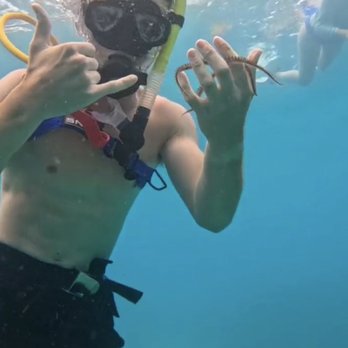
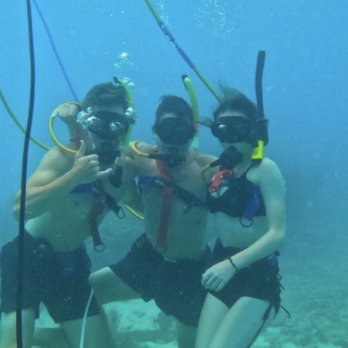
Scuba Jesus was awesome and my kids and I had a great time for their first snuba trip. Highly recommend! read more

1 year ago

1 year ago
1 year ago
Went on a snorkeling trip from Isla Bella Resort with Squeak and Doug and it exceeded expectations! They were very clear with instructions and things that are implemented for the safety of the passengers. The boat was clean and there was a cooler for drinks, water, and a trash can! They were very knowledgeable and made sure we had the best time. We even got to see some dolphins on the way back in because they were so attentive!!! Will definitely be back here on future vacations! read more
1 year ago
1 year ago
2 years ago
Went scuba diving for the first time with Tilden's/dive isla Bella. I was very nervous going into it and it was something I thought I could never do but I felt much more comfortable after the pool training course. The knowledge and patience that this crew has is amazing and I couldn't have asked for a better first dive. read more

1 year ago

4 years ago
2 years ago

5 years ago
Very helpful, We thought they didn't have the piece I needed for my GoPro and the staff kept looking and looking and found the piece I needed the day before Mini Lobster season nonetheless!!! Will definitely go back whenever I need any diving or GoPro equipment. read more


5 years ago

4 years ago
3 years ago
3 years ago
3 years ago

9 years ago
I was in search of a company to dive with that only took a small number of Divers. Many in the area take snorkels and divers, up to 40 divers! Not what we wanted. On our trip 12 were scheduled but only 9 arrived...perfection! Our family had a great time diving with Tilden's. Nikki, Wayne, and Billy ensured that we had a safe and beautiful dive with our family. We enjoyed diving at Ivory Wreck and Sombrero. Two beautiful locations. This was the first dive for both my daughters, ages 12 and 13, since their recent certification. The crew ensured that all the equipment was connected correctly and got us in and out of the water safely. I realized, as I was trying to descend (unsuccessfully) that I was probably in need of more weight. Before I knew it, Billy was in the water attaching weight to me! Our family visits Marathon at least twice a year. We will definitely dive with Tilden's on our next visit. read more


3 years ago

7 years ago
Had an amazing trip snorkeling with our guys (Larry, James, Dave, and our man from Houston, TX). We had a great trip they showed us some amazing sites with lots of fish even a small shark. They made sure everyone was safe And comfortable, while enjoying their trip. We will come back and snorkel with them again in the future. Highly recommended group. read more


5 years ago
4 years ago

7 years ago

5 years ago

5 years ago

5 years ago

6 years ago
4 years ago
4 years ago

6 years ago
8 years ago
First time Scuba diving!! Great experience all around. My sister and I did the resort course with Instructor Donald. He made the whole experience easy to understand and made us feel comfortable. We went from not knowing anything about scuba, to being able to confidently dive at Sombrero Reef, along with Wendy who led the way. She helped us out when we needed it and also gave us some freedom. I believe Larry was our boat captain and he was eager to help us with all of our equipment as well. Overall wonderful trip and guides, highly recommend. read more


6 years ago
Great experience from start to finish. Had a great experience with all staff, especially Lynne, and the diving at Sombrero Key was phenomenal. I have two teenage sons who are new to open water diving in the ocean and they were well supported. Very organized, safety conscious, and fun! read more


6 years ago
Me and by boyfriend went on their snuba diving trip. We had Lisa (the instructor) and Larry (the captain), these two did a phenomenal job together! We had little to no experience with this trip, but Lisa was an amazing instructor and went over the instructions very clear. We snuba dived a barge wreck and sombrero reef. It was beautiful and so full of life. We did see a shark but it wasn't scary at all. Also got to keep a empty shell from the barge wreck. Highly recommend this experience! Definitely will be back read more


8 years ago

7 years ago

7 years ago
6 years ago
Page 1 of 3
More info about Tilden's Scuba Center
4650 Overseas Hwy
Ste C
Marathon, FL 33050
Directions
(305) 743-7255
Call Now
Visit Website
http://www.tildensscubacenter.com
Hours
Payment methods
Indoor Amenities
Outdoor Amenities
Other Amenities
From the Business
Ask the Community - Tilden's Scuba Center
Review Highlights - Tilden's Scuba Center
You might also consider











Why does Yelp recommend reviews?
29 reviews that are not currently recommended
The reviews below are not factored into the business's overall star rating.
4 years ago

16 years ago

9 months ago

8 years ago
5 years ago
7 years ago

7 years ago

6 years ago
10 years ago
6 years ago
7 years ago
3 years ago

5 years ago

5 years ago
2 years ago
5 years ago
5 years ago
4 years ago
1 year ago
4 years ago


