
the TACO MAKER Photos



You might also consider


Recommended Reviews - the TACO MAKER
Start your review...

Reviews With Photos


I think I ate 3 of their tostada salads during my short trip - cheap, and the chicken was tasty. You can also get it with turkey or beef. Really tasty - better than Taco Bell. In PR, everyone seems to use French Dressing - the orange kind - the way some people eat Ranch here - on everything. Its a safe bet in fast food, and not too expensive for a meal. Also - the most vegetables you'll see on you trip are in this flaky, non-greasy shell. I'm serious!


1 year ago
3 years ago
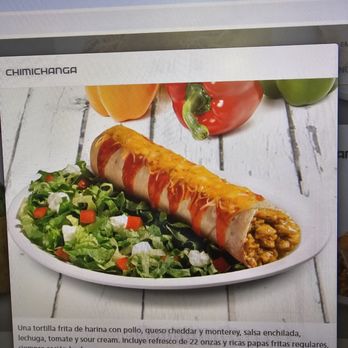
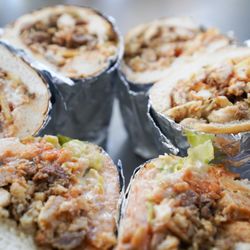
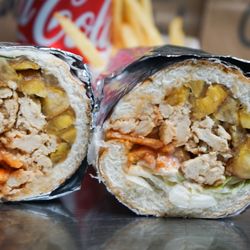
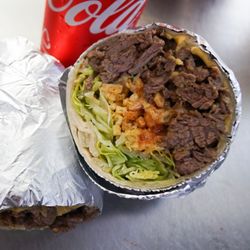
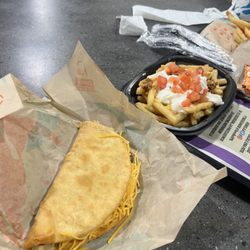
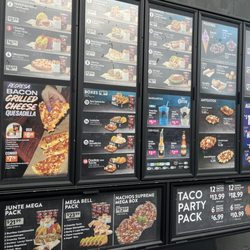
The menu specifically says Chimichanga combo includes 22 oz. drink and fries. Yet I was charged indivdually for each product. If the Chimichanga is not a combo then change the menu description because this is understood as FALSE ADVERTISEMENT!! ------------------------------------------------------------------------------------------------------------- En el menú especifica que el combo Chimichanga incluye las papas y el refresco de 22 oz. No obstante me cobraron las papitas y el refresco aparte. O sea....terminé pagando casi $10.00. Eliminen del cartel la palabra COMBO porque se entiende como anuncio. read more
2 years ago

I think I ate 3 of their tostada salads during my short trip - cheap, and the chicken was tasty. You can also get it with turkey or beef. Really tasty - better than Taco Bell. In PR, everyone seems to use French Dressing - the orange kind - the way some people eat Ranch here - on everything. Its a safe bet in fast food, and not too expensive for a meal. Also - the most vegetables you'll see on you trip are in this flaky, non-greasy shell. I'm serious! read more

12 years ago
GREAT fast food place. So good that I, the Yelpish food addict, went there 3 times in 2 days (and am hoping to get back there at some point... Don't judge. :)). I've had the same meal 3 times now: the Taco dinner with chicken (3 hard shell tacos) which comes with a side of rice, beans, chips, and a drink... All for just $7.99. Service was always quick and friendly... What more can you ask for? I'm definitely a big fan. Check it out sometime when you're in the area. You won't regret it. read more

11 years ago

10 years ago
More info about the TACO MAKER
You might also consider















Why does Yelp recommend reviews?
1 review that is not currently recommended
The reviews below are not factored into the business's overall star rating.

12 years ago


