Talbot Yard Photos

Recommended Reviews - Talbot Yard
Start your review...



18 years ago
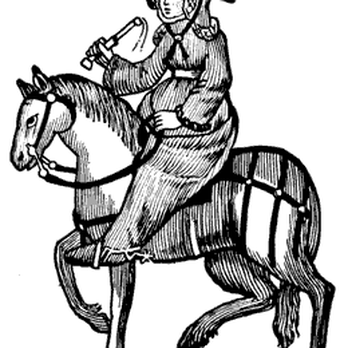
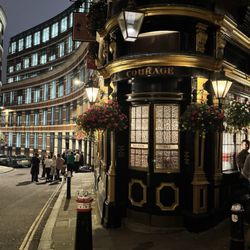
England's greatest medieval poet, Geoffrey Chaucer, was born around 1342, the son of a wealthy London vintner, and he died in 1400. Around 1366, Chaucer married Philippa (de) Roet. She was a lady-in-waiting to Edward III's queen, Philippa of Hainault, and a sister of Katherine Swynford, who later (1396) became the third wife of Chaucer's friend and patron, John of Gaunt. Despite travelling widely and leaving a number of notable works, Chaucer is best remembered for one journey and one incomplete 17,000-line masterpiece. The Canterbury Tales follows a band of unforgettably rumbustious pilgrims on their way from Southwark to St Thomas a Becket's shrine in Canterbury. The trip, which gave him the material for the Canterbury Tales, began on this spot in April 1386 at the Tabard Inn. The stable yard is now called Talbot Yard. In the book, after supper, the jolly host of the Tabard, Harry Bailly, declares that not this year has he seen such a mixed bunch under his roof. He rides out with the pilgrims the next day, and proposes that, in order to help pass the journey, each of them should tell two tales on the road to Canterbury, and two on the way back to Southwark. In Southwerk at the Tabard as I lay; Redy to wenden on my pilgrymage, Geoffrey Chaucer, Canterbury Tales. The pilgrims agree that the one who tells the best tale will be treated to a supper by the others, when they return to the Tabard in Southwark. The full tales were never completed so just 24 of a possible 120 are in the bookand the incomplete book ends before they even get to Canterbury! The location of the Inn is now within the Copyprints Centre, and a plaque adorns the wall. Talbot Yard still exists. read more
More info about Talbot Yard
Southwark
London SE1 1YP
United Kingdom
Borough
Directions
Hours
Food & Alcohol
Outdoor Amenities
Other Amenities











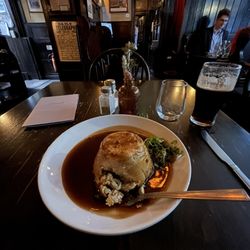


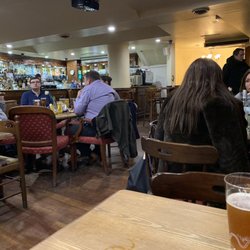


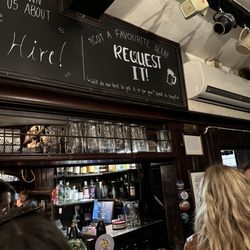



Talbot Yard - pubs - Updated August 2026
Browse Brands
Browse Articles
People who viewed Talbot Yard also viewed

The Royal Stag
3 reviews
££

Vansittart Arms
7 reviews
££

Angel Comedy
10 reviews
Islington, Angel
££

Grapeshots Wine Bars
11 reviews
Aldgate
££

The Bull
3 reviews
££££

Bandol
8 reviews
South Kensington

The Harlequin
5 reviews
Clerkenwell
££

Garden Bar
9 reviews
Notting Hill
££

Fake Club
2 reviews
Camden Town
££

Kings Tun
23 reviews
Kingston Upon Thames
£