
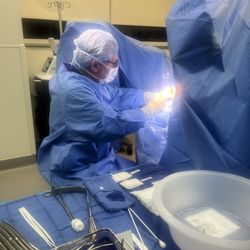
St. Joseph Hospital Photos


You might also consider


More like St. Joseph Hospital
Recommended Reviews - St. Joseph Hospital
Start your review...


Reviews With Photos


Quality care for my daughter who had back surgery ..great staff...very nice hospital..checkpoints...police officers check before entering hospital for safety..nice rooms with a couch for family visiting ...

I needed emergency treatment for my heart, hypertension, liver, leukemia, lupus anemia, kidney disease and fainting while driving due to illness.I came into the hospital that night because I fell asleep driving I needed immediate hospitalization. I requested to speak to the hospital Chaplin due to being a long term humble missionary because I was being rejected by the supervising nurse Emily due to my race. Our head missionary's death who was my mother had me also in mourning, My race seemed to be a problem for the head nurse Emily so to get rid of me, she angrily had me to drive to a church that she knew at that late hour of the night was closed and the parking lot empty. So I staggered back to the hospital with fainting spells with my blood pressure and heart rate extremely abnormal and was admitted with my Medicare insurance into the hospital. Well angry head nurse Emily found out so she sent two violent security guards to force me out of my bed while my fainting spell had me in a deep sleep. So I tried to stand and fell, so the other angry Mexican security officer said don't help her, so I humbly struggled to get on their wheelchair. I called the police to get help because I'm still humble but clueless. A tall white female supervisor came outside and approach the officers and told them a fabricated lie saying that I was passing out flyers all over the hospital. I was too sick to pass out flyers. I hope this review gets to the Chaplin and find out why he went along with this discrimination because he responded by saying I was never a patient in the hospital.
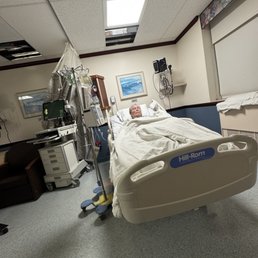

I would like to start off this review by stating that this is not targeted towards the level of care that was provided by the medical staff during my stepfather's short stay in the hospital. This review addresses an encounter between a nurses aide and I during my father's stay. A little background for clarity. I come from a family of nurses. My wife, mother, and sister are all nurses. My father suffers from many ailments but most prominently from end stage Parkinson's Disease with all of its complications and related ailments. I have served as one of his primary caregivers since his diagnosis on 2017. My stepfather was admitted to the pulmonary/renal unit of the hospital after a brief stay in the emergency department on February 15, 2026 at approximately 20:00. The encounter occurred the next day February 16, 2026 at around 18:50. This was between me and a gentleman who I had yet to identify (name and position) at the time of the event. I had been waiting for the nurse (Lakiesha) for approximately 60-70mins at this time. I wanted to ask about how my father did during the 4-5hrs I was not there. The gentleman came in to empty the urine canister and even folded the blanket that was sitting on the chair. I proceeded to ask him if it was possible to let my father's nurse know that I had a question for her. The gentleman proceeded to tell me that he would be able to answer most questions himself. I was already hesitant because he was not familiar to me and I was not aware of him being a part of the care team. I respectfully told him that I would rather direct my questions towards his nurse. He insisted that I should ask him the question instead, after a back and forth (me insisting that I speak to the nurse and not him) I relented and asked him if my father could have ice chips. He then said "the doctors orders are NPO and patients are not allowed to have anything by mouth unless specified by the doctor even ice chips" he then proceeded to look at the computer that was in the room (which I assume had contained my father's chart) and said "the doctors orders do not seem to say that he can have ice chips and I advise not to give him any". The gentleman then walked over to me and asked "who are you anyway, are you the caregiver?" to which I replied "uhhhhh.... I'm his son". He then gestured to my father and then to me and said "I mean I had to ask since it's not obvious" (I assume he was referring to the fact that I was darker skinned and my father was caucasian). Fast forward to the next day, I spoke to Lisa (charge nurse for the day shift) to inform her of the happenings of the night previous. I gave her a description of the gentleman (I was not able to clearly see his name on his badge). She left the room in an effort to identify the person based on the detailed description I provided along with the staff that worked the day before. When she came back she told me that "I was able to identify the person and it was 100% Jaime, he's a nurses aide that has worked here for a long time". In conclusion, the major issue I had with this event is a matter of patient safety. Jaime overstepped his bounds and went beyond the scope of his duties to provide medical advice. I am not clear of his background or whether he has medical training or not. Either way, he was employed as a nurses aide and there is a line that is drawn to distinguish between roles to prevent miscommunication and protect patients. This hospital is my father's hospital and the values of Providence St. Josephs of Orange aligns either our own personal beliefs. We fully intend to bring my father back here for future treatments and emergencies. This is why I want to make sure that the staff is properly trained and well aware of the scope of theirs duties and the boundaries of said duties. I am an advocate for patient safety and an individual who has no business giving medical advice clearly struck a cord with me. My concern is if this had happened to someone who was not as informed as I am then what could have come from the advice that he put forward. Also, does the question of a family member carry more weight than the question pf a caregiver? Finally, i am not fully aware of the intricacies of HIPAA but i assume that the scope of duties that revolve around a patients aide does not permit him access to the information on my father's chart. The encounter showed a lack of training and compassion that I expected from that particular staff member. I do not judge the hospital for the actions of a singular individual but this review serves as a reminder to be vigilant and also to inform management of the situation. I have yet to hear from the department that handles patient issues as of the time this review was posted. Wednesday, February 18, 2026 11:55am. P.S. I apologize if I misspelled any of the names mentioned in my review.


St. Joseph took good care of me during a recent health scare a little bit over a year ago. From the ER to the ICU to the surgery room everything went smooth!!

4 months ago

2 days ago

5 months ago
A BARBARIC experience. Not for the weak at heart. We were coerced into getting the baby induced by a nurse. The 2 rooms we stayed at were like refrigerators. Soooo freezing! The lighting too dark and creepy. We were told to stay longer due to baby might get jaundice. They even said the baby would probably be admitted to CHOC. When I said, "Call the police if you need to, this hospital is no place for a baby. We're going home." The head started angrily yelling at my daughter who got little sleep for 2 nights. They wanted us longer for $$$$. They are hurting for $$$$. It's been 5 months and just got a bogus bill. See how it says FOR BILLING ONLY. We never saw this doctor. I looked her up. It's to charge more $ and get away with it. read more


6 months ago
Quality care for my daughter who had back surgery ..great staff...very nice hospital..checkpoints...police officers check before entering hospital for safety..nice rooms with a couch for family visiting ... read more


1 month ago

1 month ago

25 days ago
3 months ago
1 month ago
I needed emergency treatment for my heart, hypertension, liver, leukemia, lupus anemia, kidney disease and fainting while driving due to illness.I came into the hospital that night because I fell asleep driving I needed immediate hospitalization. I requested to speak to the hospital Chaplin due to being a long term humble missionary because I was being rejected by the supervising nurse Emily due to my race. Our head missionary's death who was my mother had me also in mourning, My race seemed to be a problem for the head nurse Emily so to get rid of me, she angrily had me to drive to a church that she knew at that late hour of the night was closed and the parking lot empty. So I staggered back to the hospital with fainting spells with my blood pressure and heart rate extremely abnormal and was admitted with my Medicare insurance into the hospital. Well angry head nurse Emily found out so she sent two violent security guards to force me out of my bed while my fainting spell had me in a deep sleep. So I tried to stand and fell, so the other angry Mexican security officer said don't help her, so I humbly struggled to get on their wheelchair. I called the police to get help because I'm still humble but clueless. A tall white female supervisor came outside and approach the officers and told them a fabricated lie saying that I was passing out flyers all over the hospital. I was too sick to pass out flyers. I hope this review gets to the Chaplin and find out why he went along with this discrimination because he responded by saying I was never a patient in the hospital. read more


8 months ago

8 months ago
I would like to start off this review by stating that this is not targeted towards the level of care that was provided by the medical staff during my stepfather's short stay in the hospital. This review addresses an encounter between a nurses aide and I during my father's stay. A little background for clarity. I come from a family of nurses. My wife, mother, and sister are all nurses. My father suffers from many ailments but most prominently from end stage Parkinson's Disease with all of its complications and related ailments. I have served as one of his primary caregivers since his diagnosis on 2017. My stepfather was admitted to the pulmonary/renal unit of the hospital after a brief stay in the emergency department on February 15, 2026 at approximately 20:00. The encounter occurred the next day February 16, 2026 at around 18:50. This was between me and a gentleman who I had yet to identify (name and position) at the time of the event. I had been waiting for the nurse (Lakiesha) for approximately 60-70mins at this time. I wanted to ask about how my father did during the 4-5hrs I was not there. The gentleman came in to empty the urine canister and even folded the blanket that was sitting on the chair. I proceeded to ask him if it was possible to let my father's nurse know that I had a question for her. The gentleman proceeded to tell me that he would be able to answer most questions himself. I was already hesitant because he was not familiar to me and I was not aware of him being a part of the care team. I respectfully told him that I would rather direct my questions towards his nurse. He insisted that I should ask him the question instead, after a back and forth (me insisting that I speak to the nurse and not him) I relented and asked him if my father could have ice chips. He then said "the doctors orders are NPO and patients are not allowed to have anything by mouth unless specified by the doctor even ice chips" he then proceeded to look at the computer that was in the room (which I assume had contained my father's chart) and said "the doctors orders do not seem to say that he can have ice chips and I advise not to give him any". The gentleman then walked over to me and asked "who are you anyway, are you the caregiver?" to which I replied "uhhhhh.... I'm his son". He then gestured to my father and then to me and said "I mean I had to ask since it's not obvious" (I assume he was referring to the fact that I was darker skinned and my father was caucasian). Fast forward to the next day, I spoke to Lisa (charge nurse for the day shift) to inform her of the happenings of the night previous. I gave her a description of the gentleman (I was not able to clearly see his name on his badge). She left the room in an effort to identify the person based on the detailed description I provided along with the staff that worked the day before. When she came back she told me that "I was able to identify the person and it was 100% Jaime, he's a nurses aide that has worked here for a long time". In conclusion, the major issue I had with this event is a matter of patient safety. Jaime overstepped his bounds and went beyond the scope of his duties to provide medical advice. I am not clear of his background or whether he has medical training or not. Either way, he was employed as a nurses aide and there is a line that is drawn to distinguish between roles to prevent miscommunication and protect patients. This hospital is my father's hospital and the values of Providence St. Josephs of Orange aligns either our own personal beliefs. We fully intend to bring my father back here for future treatments and emergencies. This is why I want to make sure that the staff is properly trained and well aware of the scope of theirs duties and the boundaries of said duties. I am an advocate for patient safety and an individual who has no business giving medical advice clearly struck a cord with me. My concern is if this had happened to someone who was not as informed as I am then what could have come from the advice that he put forward. Also, does the question of a family member carry more weight than the question pf a caregiver? Finally, i am not fully aware of the intricacies of HIPAA but i assume that the scope of duties that revolve around a patients aide does not permit him access to the information on my father's chart. The encounter showed a lack of training and compassion that I expected from that particular staff member. I do not judge the hospital for the actions of a singular individual but this review serves as a reminder to be vigilant and also to inform management of the situation. I have yet to hear from the department that handles patient issues as of the time this review was posted. Wednesday, February 18, 2026 11:55am. P.S. I apologize if I misspelled any of the names mentioned in my review. read more
2 months ago

10 months ago
2 months ago



7 months ago
3 months ago

8 months ago

2 years ago
7 months ago

1 year ago
7 months ago
Care was very underwhelming. Nurses unfortunately do not take their job seriously. No explanation of what was going on. Labs were taking all over the place. They all are just doing the bare minimum to get bodies out. The nurses that did our ultra sound were very rude it was a dark haired female with arm tattoos. Felt rushed and not helpful at all read more
1 year ago
We just wanted to give a shout out to Kaityln (RN), Valerie (RN) and Dr. Murphy in the emergency room at St. Joseph's Hospital in Orange. We received the utmost care. We were actually here for a conference at Disney, but this was the highlight of our trip thanks to everyone here at the ER. Today Disney takes second as the happiest place on Earth! We appreciate you! From Allen, David, and Joseph read more
4 months ago

4 months ago
9 months ago
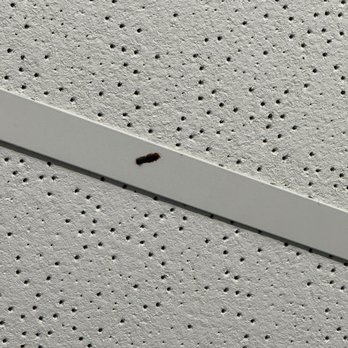
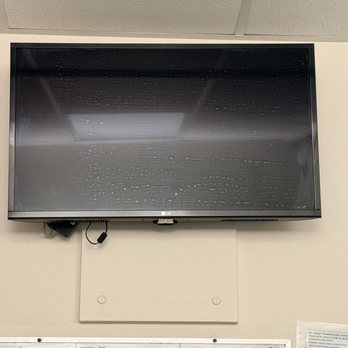
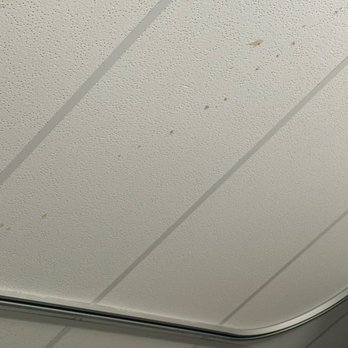
The room is extremely dirty! The nurses especially Erik from dialysis level floor was very clumsy barely helping at all. Save yourself from this hospital!!!! No wonder this hospital has a 3 star. Also ordered a cheeseburger and they didn't even provide the bun! Yikes!!! read more

7 months ago

2 years ago
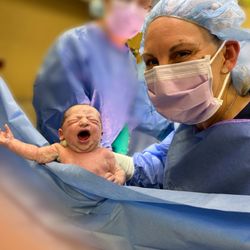
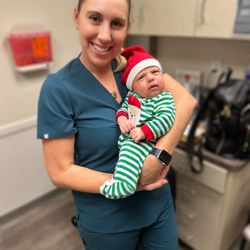
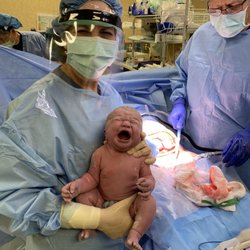
Thank you to St Joe's entire Labor & Delivery team, Mother-Baby Unit, and everyone who works to keep the hospital operating smoothly and with continuous improvement. Special thanks to Nurse Ally (the Queen of the OR), Nurse Jess (MBU), Dr. Jessica Barr, Dr. Afshin Shabanie, Dr. Allan Akerman, Dr. Renuka Kar, Nurse Megan (MBU), Nurse Aileen (MBU). We also had warm, welcoming experiences with the blood draw technicians, receptionists, billing (yes billing), parking attendants, and a weekend security guard. Anyone with the opportunity to give birth here should feel they are in excellent hands. So much medical expertise, humanity, and continuous improvement in one place. read more


2 years ago




4 months ago
9 months ago

2 years ago

2 years ago
9 months ago
10 months ago


1 year ago
Page 1 of 13
More info about St. Joseph Hospital
1100 W Stewart Dr
Orange, CA 92868
Directions
(714) 633-9111
Call Now
Visit Website
http://www.sjo.org
Hours
Payment methods
Other Amenities
From the Business
St. Joseph Hospital Reviews in Other Languages
Ask the Community - St. Joseph Hospital
Is this open to treating children in an emergency situation?
Are the rooms private?
Yep. And I thought they were nice. Mine overlooked the hills. I was pretty comfortable, considering
Review Highlights - St. Joseph Hospital
You might also consider




















Why does Yelp recommend reviews?
40 reviews that are not currently recommended
The reviews below are not factored into the business's overall star rating.
4 years ago
13 years ago
14 years ago
4 years ago
7 years ago

2 years ago
5 years ago
13 years ago

2 years ago
11 years ago

5 years ago

8 years ago

2 months ago

2 years ago

11 years ago

12 years ago
9 years ago
2 years ago

5 years ago
12 years ago


