Smith's Fort Plantation
Smith's Fort Plantation Photos


You might also consider


More like Smith's Fort Plantation
Recommended Reviews - Smith's Fort Plantation
Start your review...



1 year ago
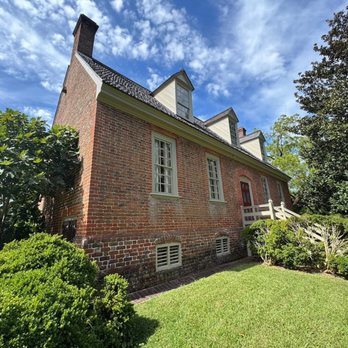
Smith's Fort is the site of Captain John Smith's proposed "New Fort" and is located directly across the James River from Jamestown on the banks of Gray's Creek. In 1609, Captain John Smith began construction of a fort site on the property. The fort was abandoned a few months later due to what would be known as the "Starving Time" in Jamestowne. The earthworks dug 411 years ago in 1609 can still be seen to this day. Captain John Smith built a fort on the south side of the James River as a retreat position should Jamestown be attacked by Virginia Indians or the Spanish. This dower tract of land between two streams was given to John Rolfe in 1614 by Powhatan upon Rolfe's marriage to Pocahontas. It is considered the first land actually given to America by the Indians. Rolfe is known to have cultivated the early tobacco crop on this property known as the Virginia Sweet. Between 1751 and 1765, a brick plantation house was built that still stands today, with much of its interior original pine woodwork still intact. The Manor House exemplifies the upper-middle-class lifestyle enjoyed by the Jacob Faulcon family in 18th-century Surry County. In 1886, the property, then called Gray's Creek Farm, was purchased by a collective group of African American families including Bolling Morris, John and Carter Hardy and Robertson Simmons. By the 1920s, Mr. Morris was the sole owner and he eventually sold it via an agent to John D. Rockefeller, Jr. Smith's Fort was later acquired by Preservation Virginia in 1933 and has operated as a museum ever since. Located in the manor house is a print on paper from a steel engraving done by John C. McRae in 1855 entitled, "The Wedding of Pocahontas." It was modeled from an original oil painting by Henry Brueckner in the same year. It depicts the day in April 1614 when Pocahontas was wed to Englishman John Rolfe, an event that initiated 8 years of peace with the Algonquin Indians. The original painting resides in the Getty Museum. This is a Virginia treasure and recommend a visit. read more




2 years ago
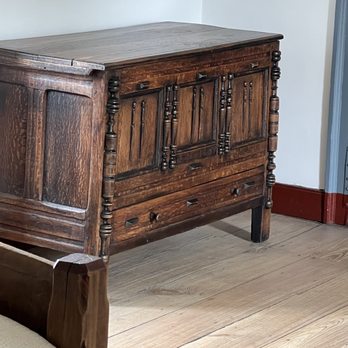
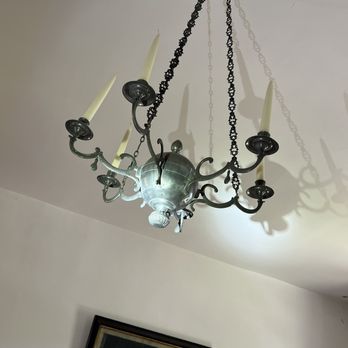
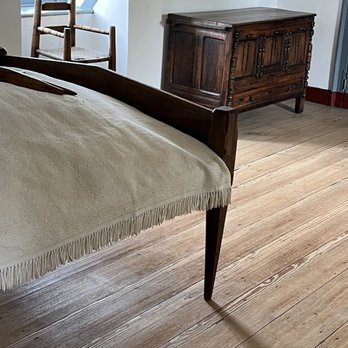
Cynthia is a very knowledgeable guide. She knows the history of the area and the house. The period furniture is a wonderful touch on the house. The gift shop actually have black walnut items made from the a tree on the plantation. read more


7 years ago
Virginia Preservation has done a wonderful job at preserving this plantation. I always try to find history while traveling. The grounds are beautiful and are free to wander around, I actually did take the $9 tour with a guide, the guide explained everything and was very informative. They had another grp before us, but we got to spend enough time in the house. Virginia Preservation members can visit for free. This was a unexpected stop, not on my travel list. We were on our way to Jamestown- Scotland Ferry and saw the sign. Im actually glad I decided to stop and spend a few hrs here. This is a lovely area with lots to do and see in route. Take bug spray you are out in the country. Enjoy! read more

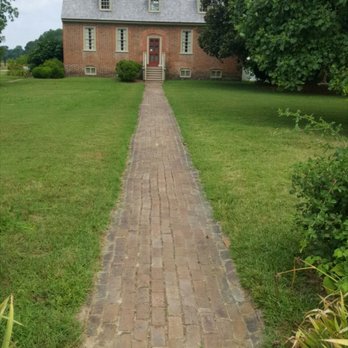


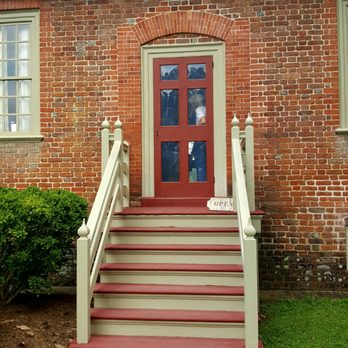


This was a perfect ending to a great day out! Virginia Preservation Society has done an incredible job of bringing this place back to life! It's free to see the grounds where the Fort was and walk the grounds and the gardens which is simply beautiful! The house looks incredible as well, however, having a good size group of little ones I didn't get a chance to tour the interior of the home...but one day :) So much history, I didn't want the day to end! Though I didn't get a chance to tour the beautiful home which has a pretty amazing story of its own, their was a wonderful worker who came out and shared a bit of history with us and gave us information on how to get to the site of Smith's Fort. Which was definitely above and beyond since she didn't need to do that on our behalf but did so none the less which was so very nice! If your a Virginia Preservation member you can tour the house for free. However if your not, there is a cost involved and encourage you to check their website to find out current hours of operation and costs for adults and children! read more