Casemate Museum Photos


You might also consider


More like Casemate Museum
Recommended Reviews - Casemate Museum
Start your review...


Reviews With Photos


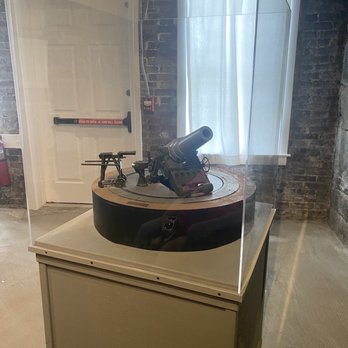
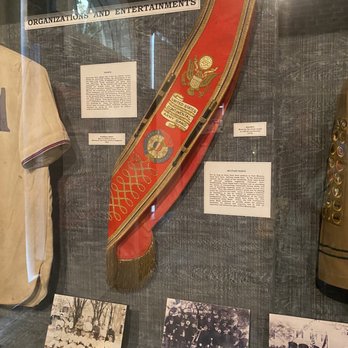
The Casemate Museum has gone through a lot of changes since the last time I was here (in the early 2010s). I enjoyed the museum then, and I enjoy it even more now! Immerse yourself in war history at the Casemate. Visitors can learn about the beginnings of Fort Monroe and understand why the fort was built. While checking out this unique structure, you'll also learn about the role that the fort played in many of history's most compelling moments like the Civil War, the fight to freedom for enslaved people, and much more. This museum allows you to revel in the fort's social aspect and gives you a glimpse into the social life of local military leaders, residents and visitors. I love that the Casemate, as well as other sites on the fort, honor the history of the first Africans in English-speaking America as well as the Contrabands. The Casemate is just a short walk to the historic marker for the first Africans that arrived here in1619, the Old Point Comfort Lighthouse, Outlook Beach, the historic Chamberlin and the Fort Monroe Visitor Center. From the museum, you can also walk or ride around the inside of the moat and see the home where Abraham Lincoln stayed for a few days while visiting the fort (Quarters No. 1 - the oldest house inside the moat). Inside of the Casemate, you can also view the door from the cell that once held Jefferson Davis and you can decide for yourself whether or not this famed and scorned figure was a hero, traitor, or rebel. As a true lover of Hampton history, I will say, this is a great place to experience if you're a local or visiting history buff!


Free! Fantastic and Free!!!! Beautiful museum filled with history and knowledge. It even has a wonderful gift store at the end.


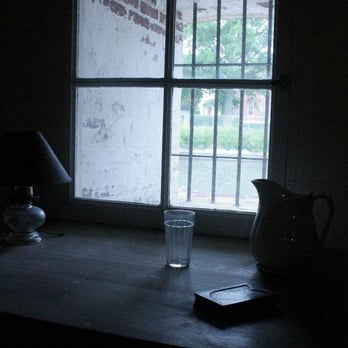
Awesome!! Free!! It closes at 4 p.m., but plan accordingly. What a wonderful piece of history to explore. I liked that you could just do it on your own. I started with the museum, ended up at the gift shop, got a map and took a walking tour all around Fort Monroe. It was a little rainy and time was limited, so I drove but on a good day with lots of time, it's a nice loop. Fort Monroe a military installation in Hampton, Virginia--at Old Point Comfort, the southern tip of the Virginia Peninsula. Within the 565 acres of Fort Monroe are 170 historic buildings and nearly 200 acres of natural resources, including 8 miles of waterfront, 3.2 miles of beaches on the Chesapeake Bay, 110 acres of submerged lands and 85 acres of wetlands. The museum is in the center, surrounded by water. Arriving with three ships under Captain Christopher Newport, Captain John Smith and the colonists of the Virginia Company established the settlement of Jamestown of the British Colony of Virginia on the James River in 1607. On their initial exploration, they recognized the strategic importance of the site at Old Point Comfort for purposes of coastal defense. They initially built Fort Algernourne (1609-1612) at the location of the present Fort Monroe. Fort Algernourne burned in 1612. In the latter part of August 1619, a Dutch ship, the White Lion, appeared off the coast of Old Point Comfort. Its cargo included more than 30 Africans captured from the slave ship Sao Joao Bautista. Traded for work and supplies from the English, they were the first Africans to come ashore on British-occupied land in what would become America. Although the Bantu Africans from Angola were considered indentured servants, their arrival is considered to mark the beginning of slavery in America. Two among the Africans arriving at Old Point Comfort in 1619 were named by the Spanish as Antonio and Isabella. In January 1624, she gave birth to the first African child born in America. Another fort, known only as "the fort at Old Point Comfort" was constructed in 1632, and destroyed by a hurricane in 1667. In 1728, Fort George was built on the site. Its masonry walls were destroyed by a hurricane in 1749, but the wood buildings within the fort continued to be used by a reduced force until at least 1775. In 1781, during the Siege of Yorktown, the French West Indian fleet established a battery on the ruins of Fort George. Throughout the Colonial period, fortifications were manned at the location from time to time. Following the War of 1812, the United States realized the need to protect Hampton Roads and the inland waters from attack by sea. In March 1819, President James Madison came up with a plan of building a network of coastal defenses. Construction of the fort began in earnest on the stone-and-brick fort which would serve as the safeguard for the Chesapeake Bay. It began construction in 1819 on what would become the largest stone fort ever built in the United States. Work continued for nearly twenty-five years, ending in 1834. During the Civil War, Fort Monroe was a Union-held bastion in the center of a Confederate state. On December 20, 1860, South Carolina became the first state to secede from the Union. Four months later, on April 12, 1861, troops of that state opened fire on Fort Sumter in Charleston Harbor. Five days later, Virginia's legislature passed the Ordinance of Secession of Virginia to withdraw from the Union, and join the newly formed Confederate States of America. On May 23, 1861, voters of Virginia ratified the state's secession from the union. President Abraham Lincoln had Fort Monroe quickly reinforced so that it would not fall to Confederate forces. It was held by Union forces throughout the Civil War, which launched several sea and land expeditions from there. "Freedom's Fortress" helped shelter thousands of slave refugees. On May 27, 1861, Major General Benjamin Butler made his famous "contraband" decision, or "Fort Monroe Doctrine", determining that escaping slaves who reached Union lines would be considered contraband and not be returned to bondage. The order resulted in thousands of slaves fleeing to Union lines around Fort Monroe, which was Butler's headquarters in Virginia. Fort Monroe became called "Freedom's Fortress", as any slave reaching it would be free. Harriet Tubman was even a nurse here! Jefferson Davis imprisoned here too!
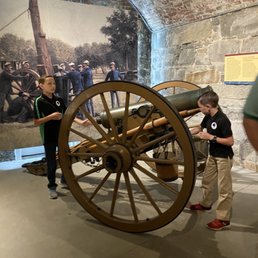

We took our grandsons to the casement museum. They especially enjoyed the gift shop full of telescopes and guns. Then they and my husband walked the top of the entire fort after...which they enjoyed a lot. We will be back!


This is a museum that was newly inducted into the National Park Services in Nov of 2011. Go online to see the signing by President Obama. Anyways, of course it showed up in the National Parks Passport and I was eager to go get my stamp! What you need to do is to get on the bridge to get to the island. Once there, you'll see a bunch of historic houses for sale or rent and then you pass through a very narrow tunnel with a stop light. You make a right once you're through and fall it to the end (there are sign guiding you) and you'll see a small set of parking spots and a giant flag that says Casemates museum. Park your car (it's free) and follow the signs to the museum. It's actually quite extensive and allows you to read about the history here of the fort that was in the Union hands during the Civil War. At the very end, you'll hit a gift shop and they have a stamp, but you have to ask for it. All in all, it will take you about 45 min if you're just looking around. If you want to read everything, allot an hour and half to 2 hours. Fun place! BTW no admission fees.


I went here for the moat. It is one of the only forts surrounded by a moat...how cool is that!!! I got more than I bargained for!!! First the outside is a wonder to walk...the views and the water make it very scenic. The inside was great and I did not know that this was where Jefferson Davis was incarcerated or that Robert E. Lee helped build this...very historically significant museum...and free!!!


An impromptu visit to Fort Monroe brought us here-and what a pleasant trip that was! This is a very well kept and laid out museum. It's short and sweet and appeals to the militaria nerd with plenty of relics from the various areas and a plethora of history on heavy coast defense weaponry. Highly recommend for a short excursion into history-oh and don't forget to go up to the ramparts outside and view the pet cemetery!


Very well done in all aspects! Well maintained and not busy at all...it was in January on cold day so I am sure that helped. Exhibits and artifacts were all well done. The only warning is that the inside of the Casemate is very tight with a low roof so if claustrophobia is an issue for you be prepared to have some "oh boy this is freaking me out" moments. A great starting place for the walking tour of the rest of Ft Monroe.
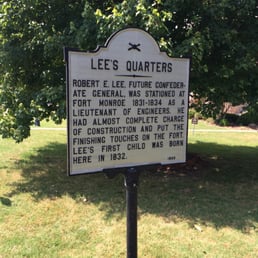

A Great Place. Loved the museum, a good time. Took about 45 minutes to walk through. Very insightful on the Civil War. If you like history, you'll love this place. Highly recommended and completely free.


This is a wonderful museum and it's free! In addition you can take a walking tour of the grounds. Lots of beach around and the Chamberlin is there as well. A great place to take the family and experience some history.


Sophia and I have lived in the Peninsula since 2011, but rarely took trips to Fort Monroe to explore its history. Shame on us since we've been to many museums for years. But, it's better late than never. And believe me, it's one you definitely want to check out. For admission, it's free. How it works is we're given a 15 min window for entering and plus, it gives you a chance to look around in the visitor center where the galley takes you to the history of Fort Monroe and how the Civil War changed everything. If you've been to museums in Virginia, just about everything is covered regarding the slave trade and wars between the North and South and against other countries. A lot to take in, but beneficial. After we were done scoping the visitor center, we entered the museum itself. A treasure trove of information to soak in regarding Fort Monroe itself. I just turned 45 years old and I can tell you I learned a ton from this visit alone. And there still is more to gain. It's wonderful to see that the staff put their heart and soul into keeping everything in place. You can do a self guided tour like we did or you can do a group tour. Also, the museum shops have goodies for you to buy. Believe me, you should not leave empty handed when you have the chance. A wonderful visit to a place where you'll leave with knowledge. And there's more on site at Fort Monroe. We''ll be back for some more tours when time persists :) read more


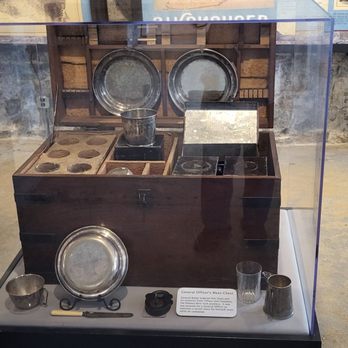

The Casemate Museum at Fort Monroe is exceptionally well organized and free to visit. Be sure to swing by the Visitor Center to pick up a timed-entry ticket before heading across the bridge. They also offer guided walking tours throughout the day, though times vary. The fort itself is awe-inspiring- the largest bastion fort by area in the U.S., completed in 1834- and it's incredible to think it stood as a Union stronghold, designated "Freedom's Fortress," where escaping enslaved people found sanctuary during the Civil War. The massive interior arches are a testament to enduring design, and walking atop the fort offers an unforgettable connection to history. read more


We just explored the outside part of the museum since we didn't know you had to get tickets at the visitor center. Before you were able to just waltz right in. But I think in order to get a proper head count and to regulate how many visitors visit they require you to now get tickets. Oh. The tickets are FREE! I mean who doesn't like "free 99?" Lol. You can go up top to the overlook area as well! They have parking reserved for the museum visitors as well. read more


4 years ago
The Casemate Museum has gone through a lot of changes since the last time I was here (in the early 2010s). I enjoyed the museum then, and I enjoy it even more now! Immerse yourself in war history at the Casemate. Visitors can learn about the beginnings of Fort Monroe and understand why the fort was built. While checking out this unique structure, you'll also learn about the role that the fort played in many of history's most compelling moments like the Civil War, the fight to freedom for enslaved people, and much more. This museum allows you to revel in the fort's social aspect and gives you a glimpse into the social life of local military leaders, residents and visitors. I love that the Casemate, as well as other sites on the fort, honor the history of the first Africans in English-speaking America as well as the Contrabands. The Casemate is just a short walk to the historic marker for the first Africans that arrived here in1619, the Old Point Comfort Lighthouse, Outlook Beach, the historic Chamberlin and the Fort Monroe Visitor Center. From the museum, you can also walk or ride around the inside of the moat and see the home where Abraham Lincoln stayed for a few days while visiting the fort (Quarters No. 1 - the oldest house inside the moat). Inside of the Casemate, you can also view the door from the cell that once held Jefferson Davis and you can decide for yourself whether or not this famed and scorned figure was a hero, traitor, or rebel. As a true lover of Hampton history, I will say, this is a great place to experience if you're a local or visiting history buff! read more






5 years ago


13 years ago
Awesome!! Free!! It closes at 4 p.m., but plan accordingly. What a wonderful piece of history to explore. I liked that you could just do it on your own. I started with the museum, ended up at the gift shop, got a map and took a walking tour all around Fort Monroe. It was a little rainy and time was limited, so I drove but on a good day with lots of time, it's a nice loop. Fort Monroe a military installation in Hampton, Virginia--at Old Point Comfort, the southern tip of the Virginia Peninsula. Within the 565 acres of Fort Monroe are 170 historic buildings and nearly 200 acres of natural resources, including 8 miles of waterfront, 3.2 miles of beaches on the Chesapeake Bay, 110 acres of submerged lands and 85 acres of wetlands. The museum is in the center, surrounded by water. Arriving with three ships under Captain Christopher Newport, Captain John Smith and the colonists of the Virginia Company established the settlement of Jamestown of the British Colony of Virginia on the James River in 1607. On their initial exploration, they recognized the strategic importance of the site at Old Point Comfort for purposes of coastal defense. They initially built Fort Algernourne (1609-1612) at the location of the present Fort Monroe. Fort Algernourne burned in 1612. In the latter part of August 1619, a Dutch ship, the White Lion, appeared off the coast of Old Point Comfort. Its cargo included more than 30 Africans captured from the slave ship Sao Joao Bautista. Traded for work and supplies from the English, they were the first Africans to come ashore on British-occupied land in what would become America. Although the Bantu Africans from Angola were considered indentured servants, their arrival is considered to mark the beginning of slavery in America. Two among the Africans arriving at Old Point Comfort in 1619 were named by the Spanish as Antonio and Isabella. In January 1624, she gave birth to the first African child born in America. Another fort, known only as "the fort at Old Point Comfort" was constructed in 1632, and destroyed by a hurricane in 1667. In 1728, Fort George was built on the site. Its masonry walls were destroyed by a hurricane in 1749, but the wood buildings within the fort continued to be used by a reduced force until at least 1775. In 1781, during the Siege of Yorktown, the French West Indian fleet established a battery on the ruins of Fort George. Throughout the Colonial period, fortifications were manned at the location from time to time. Following the War of 1812, the United States realized the need to protect Hampton Roads and the inland waters from attack by sea. In March 1819, President James Madison came up with a plan of building a network of coastal defenses. Construction of the fort began in earnest on the stone-and-brick fort which would serve as the safeguard for the Chesapeake Bay. It began construction in 1819 on what would become the largest stone fort ever built in the United States. Work continued for nearly twenty-five years, ending in 1834. During the Civil War, Fort Monroe was a Union-held bastion in the center of a Confederate state. On December 20, 1860, South Carolina became the first state to secede from the Union. Four months later, on April 12, 1861, troops of that state opened fire on Fort Sumter in Charleston Harbor. Five days later, Virginia's legislature passed the Ordinance of Secession of Virginia to withdraw from the Union, and join the newly formed Confederate States of America. On May 23, 1861, voters of Virginia ratified the state's secession from the union. President Abraham Lincoln had Fort Monroe quickly reinforced so that it would not fall to Confederate forces. It was held by Union forces throughout the Civil War, which launched several sea and land expeditions from there. "Freedom's Fortress" helped shelter thousands of slave refugees. On May 27, 1861, Major General Benjamin Butler made his famous "contraband" decision, or "Fort Monroe Doctrine", determining that escaping slaves who reached Union lines would be considered contraband and not be returned to bondage. The order resulted in thousands of slaves fleeing to Union lines around Fort Monroe, which was Butler's headquarters in Virginia. Fort Monroe became called "Freedom's Fortress", as any slave reaching it would be free. Harriet Tubman was even a nurse here! Jefferson Davis imprisoned here too! read more




5 years ago
We took our grandsons to the casement museum. They especially enjoyed the gift shop full of telescopes and guns. Then they and my husband walked the top of the entire fort after...which they enjoyed a lot. We will be back! read more
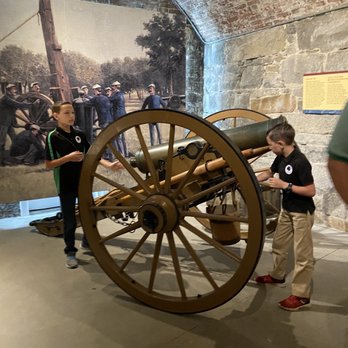


This is a museum that was newly inducted into the National Park Services in Nov of 2011. Go online to see the signing by President Obama. Anyways, of course it showed up in the National Parks Passport and I was eager to go get my stamp! What you need to do is to get on the bridge to get to the island. Once there, you'll see a bunch of historic houses for sale or rent and then you pass through a very narrow tunnel with a stop light. You make a right once you're through and fall it to the end (there are sign guiding you) and you'll see a small set of parking spots and a giant flag that says Casemates museum. Park your car (it's free) and follow the signs to the museum. It's actually quite extensive and allows you to read about the history here of the fort that was in the Union hands during the Civil War. At the very end, you'll hit a gift shop and they have a stamp, but you have to ask for it. All in all, it will take you about 45 min if you're just looking around. If you want to read everything, allot an hour and half to 2 hours. Fun place! BTW no admission fees. read more



15 years ago
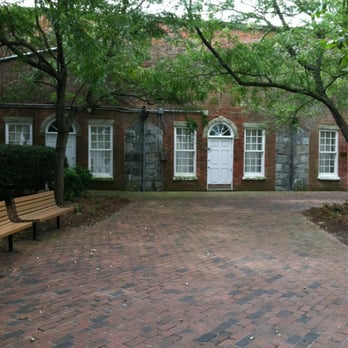
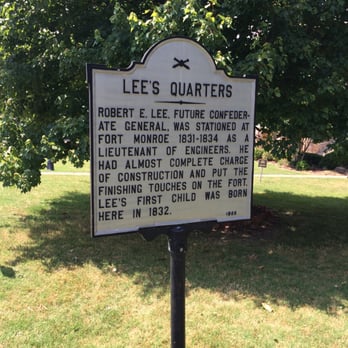
I went here for the moat. It is one of the only forts surrounded by a moat...how cool is that!!! I got more than I bargained for!!! First the outside is a wonder to walk...the views and the water make it very scenic. The inside was great and I did not know that this was where Jefferson Davis was incarcerated or that Robert E. Lee helped build this...very historically significant museum...and free!!! read more


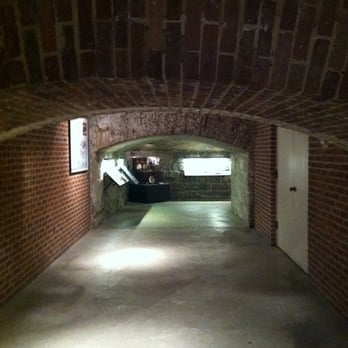


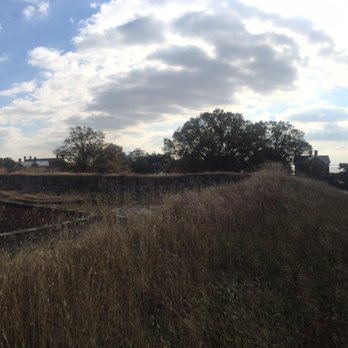
An impromptu visit to Fort Monroe brought us here-and what a pleasant trip that was! This is a very well kept and laid out museum. It's short and sweet and appeals to the militaria nerd with plenty of relics from the various areas and a plethora of history on heavy coast defense weaponry. Highly recommend for a short excursion into history-oh and don't forget to go up to the ramparts outside and view the pet cemetery! read more



10 years ago

10 years ago
Very well done in all aspects! Well maintained and not busy at all...it was in January on cold day so I am sure that helped. Exhibits and artifacts were all well done. The only warning is that the inside of the Casemate is very tight with a low roof so if claustrophobia is an issue for you be prepared to have some "oh boy this is freaking me out" moments. A great starting place for the walking tour of the rest of Ft Monroe. read more


12 years ago
A Great Place. Loved the museum, a good time. Took about 45 minutes to walk through. Very insightful on the Civil War. If you like history, you'll love this place. Highly recommended and completely free. read more


13 years ago
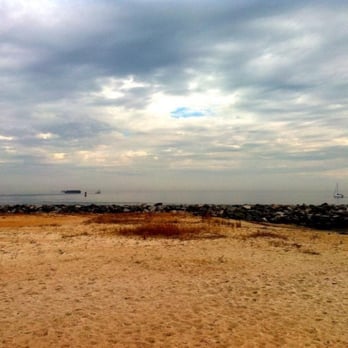
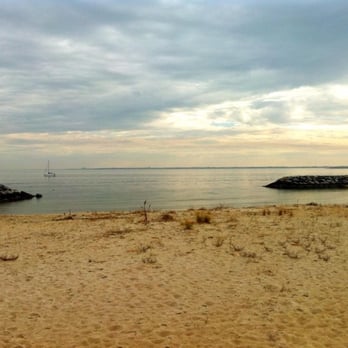
This is a wonderful museum and it's free! In addition you can take a walking tour of the grounds. Lots of beach around and the Chamberlin is there as well. A great place to take the family and experience some history. read more



6 years ago

11 years ago
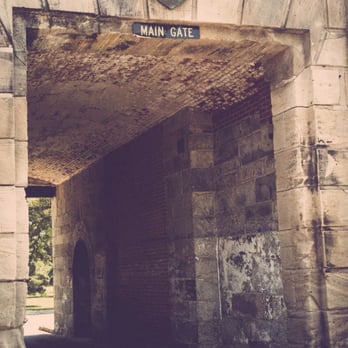
My husband and I went on a Sunday afternoon! It was beautiful! It's a huge perk that this amazing piece of history is free... Also, that around the Fort- ITS BEAUTIFUL OUTSIDE, TOO! Make sure when you come here to give it an entire day! There's so much beautiful architect and views to see even when you're walking around the fort.. It's awesome. We learned a lot through the museum! I highly recommend for anyone who is a history junkie! Since it's a self tour, make sure to bring your reading glasses! A TON of information to read!! :) read more




9 years ago


11 years ago

14 years ago

12 years ago


8 years ago


4 years ago

8 years ago

12 years ago

11 years ago

11 years ago
9 years ago
12 years ago
11 years ago
More info about Casemate Museum
20 Bernard Rd
Fort Monroe, VA 23651
Directions
(757) 690-8181
Call Now
Hours
Other Amenities