SCORIA Vineyards Photos


You might also consider

More like SCORIA Vineyards
Recommended Reviews - SCORIA Vineyards
Start your review...

Reviews With Photos


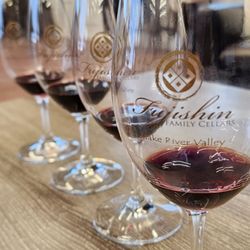
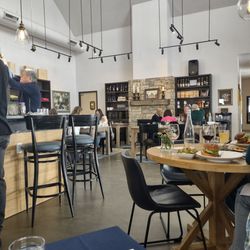
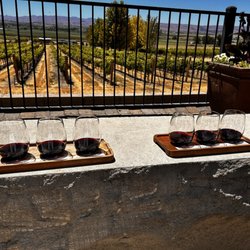
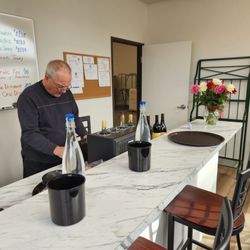
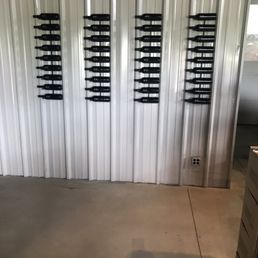
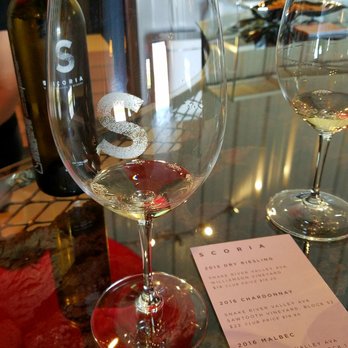
Scoria is a type of lava rock prevalent in the area of the Snake River wine region where Sydney Nederend's long time farming family owns the land that she planted to grapes and where she launched her winery and so she choose that word to name her enterprise. Inasmuch as the wines being produced for this nascent label are delightful, the backstory of this young winery owner, who was only 20 and a college senior finishing her finance degree when she started the endeavor a handful of years ago, may make you enjoy them even more if you know it before heading to the tasting room. But for those not inclined to backstory, here's all you'll need to know to go try the wines. And you should! THE DRILL: *Tasting room is open noon - 5p, Fri - Sat - Sun. *The space is a hip, minimalist design, corrugaged warehouse vibe with tasting offered at the counter and at standard height table and sofa seating. A big door rolls up to let the outside in with view of the vines. The rock that lines the front of the tasting bar is scoria from the site, a connection of wine to land in that visual representation. The huge light that hangs overhead, which Sydney picked up from a local furniture store where it hung for over a decade, is a perfect design fit for the space. (And much like the big, artist created lights we admired over the long tables in Napa's Hall Winery private tasting room. https://www.yelp.com/biz_photos/hall-wines-saint-helena-2?select=uLGoDFVNdiOIvUlIbrEDbw ) *Having enjoyed great success with bottlings to date, many Scoria wines have sold out and in our tasting last month there were only 3 options on the card; 2015 Dry Riesling ($18 / bottle), 2016 Chardonnay ($22) and 2016 Malbec ($32). On July 4 weekend the 2016 Petite Verdot, the first using estate grown grapes, was released and should now be in the tasting line up as well. *Tasting is free with short tastes poured in Riedel stemware with "S" etched on front and offered by knowledgeable and friendly tasting room host. We were invited to taste another sample if we needed to refresh our palates before making a purchase, but one was enough to convince us to carry home the Dry Riesling and Malbec. *The tasting room is accessible. One paved spot of ADA marked parking at the side entry. (Other parking is deep gravel.) Inside is level throughout. Some standard height seating. Accessible loo. The host told me they paid attention not only because ADA is law (and has been for 28 years to have all facilities be equally accessible to disabled people as those who are not) but also because a member of their wine club uses a wheelchair and they had access for him in mind specifically. Good for them. As a wino...umm...oenophile with MS, I rely on this to get in the door to enjoy and buy wine myself. *You can buy bottles of wine to enjoy on site, I don't know if you can purchase glasses of wine to sit and sip. A bottle sales license is a different thing than the kind of license, a bar sales license, needed to sell by glass. If that matters to you, call ahead. THE BACKSTORY: The land on which Sydney, who is married to James Nederend of the dairy family in Marsing, established the winery has been in her family (Weitz) for almost one hundred years, planted to orchards and agricultural crops. (The Weitz's may be best known for mint oil production). With about 200 acres of that rocky land land having been identified as a good location for growing red wine varietal grapes, I think less than 20 acres are planted to grapes right now, both Petit Verdot and Mouvedre. I hear the plan is to have roughly 100 acres planted by end 2022. Grapes for Scoria's first bottlings (2013 vintage) were Skyline and Sawtooth Vineyard grown but in 2018 some, like the 2016 Petit Verdot just released, will use all estate grown grapes. That is remarkable progress in such a short time. And in the mode of quality begets quality, or maybe water seeks it's own level, Sydney formed relationships with both Koenig and Telaya wineries, top notch members of the Idaho wine industry, and hired Telaya's owner and winemaker Earl Sullivan to make her 2013 vintage wines; Syrah and Mouvedre that were so well received for the excellent bottlings they were that they long ago sold out. Both Telaya and Koenig will be involved going forward. With her family's roots in crop farming and her husband's family's roots in dairy work, Sydney has the appreciation for the hard farming work involved to grow and harvest grapes but what really impresses me as a new fan of her wines, is the marketing savvy and overall business chutzpah to do all she has in such a short time when she is so young. Brava! If the 2022 goal for 100 acres planted is met, Sydney will be just shy of 30 years old. If Scoria continues on the path of growing fruit and building partnerships to produce good wine as is happening now, think of all we wine drinkers can look forward to enjoying.


9 months ago

5 months ago
1 year ago
Scoria is exceptional. Absolutely love the wines, the rosé is something else. Stunning interior. The service was excellent and went above and beyond. Truly individual winery. read more


4 years ago
2 years ago

3 years ago

8 years ago
Scoria is a type of lava rock prevalent in the area of the Snake River wine region where Sydney Nederend's long time farming family owns the land that she planted to grapes and where she launched her winery and so she choose that word to name her enterprise. Inasmuch as the wines being produced for this nascent label are delightful, the backstory of this young winery owner, who was only 20 and a college senior finishing her finance degree when she started the endeavor a handful of years ago, may make you enjoy them even more if you know it before heading to the tasting room. But for those not inclined to backstory, here's all you'll need to know to go try the wines. And you should! THE DRILL: *Tasting room is open noon - 5p, Fri - Sat - Sun. *The space is a hip, minimalist design, corrugaged warehouse vibe with tasting offered at the counter and at standard height table and sofa seating. A big door rolls up to let the outside in with view of the vines. The rock that lines the front of the tasting bar is scoria from the site, a connection of wine to land in that visual representation. The huge light that hangs overhead, which Sydney picked up from a local furniture store where it hung for over a decade, is a perfect design fit for the space. (And much like the big, artist created lights we admired over the long tables in Napa's Hall Winery private tasting room. https://www.yelp.com/biz_photos/hall-wines-saint-helena-2?select=uLGoDFVNdiOIvUlIbrEDbw ) *Having enjoyed great success with bottlings to date, many Scoria wines have sold out and in our tasting last month there were only 3 options on the card; 2015 Dry Riesling ($18 / bottle), 2016 Chardonnay ($22) and 2016 Malbec ($32). On July 4 weekend the 2016 Petite Verdot, the first using estate grown grapes, was released and should now be in the tasting line up as well. *Tasting is free with short tastes poured in Riedel stemware with "S" etched on front and offered by knowledgeable and friendly tasting room host. We were invited to taste another sample if we needed to refresh our palates before making a purchase, but one was enough to convince us to carry home the Dry Riesling and Malbec. *The tasting room is accessible. One paved spot of ADA marked parking at the side entry. (Other parking is deep gravel.) Inside is level throughout. Some standard height seating. Accessible loo. The host told me they paid attention not only because ADA is law (and has been for 28 years to have all facilities be equally accessible to disabled people as those who are not) but also because a member of their wine club uses a wheelchair and they had access for him in mind specifically. Good for them. As a wino...umm...oenophile with MS, I rely on this to get in the door to enjoy and buy wine myself. *You can buy bottles of wine to enjoy on site, I don't know if you can purchase glasses of wine to sit and sip. A bottle sales license is a different thing than the kind of license, a bar sales license, needed to sell by glass. If that matters to you, call ahead. THE BACKSTORY: The land on which Sydney, who is married to James Nederend of the dairy family in Marsing, established the winery has been in her family (Weitz) for almost one hundred years, planted to orchards and agricultural crops. (The Weitz's may be best known for mint oil production). With about 200 acres of that rocky land land having been identified as a good location for growing red wine varietal grapes, I think less than 20 acres are planted to grapes right now, both Petit Verdot and Mouvedre. I hear the plan is to have roughly 100 acres planted by end 2022. Grapes for Scoria's first bottlings (2013 vintage) were Skyline and Sawtooth Vineyard grown but in 2018 some, like the 2016 Petit Verdot just released, will use all estate grown grapes. That is remarkable progress in such a short time. And in the mode of quality begets quality, or maybe water seeks it's own level, Sydney formed relationships with both Koenig and Telaya wineries, top notch members of the Idaho wine industry, and hired Telaya's owner and winemaker Earl Sullivan to make her 2013 vintage wines; Syrah and Mouvedre that were so well received for the excellent bottlings they were that they long ago sold out. Both Telaya and Koenig will be involved going forward. With her family's roots in crop farming and her husband's family's roots in dairy work, Sydney has the appreciation for the hard farming work involved to grow and harvest grapes but what really impresses me as a new fan of her wines, is the marketing savvy and overall business chutzpah to do all she has in such a short time when she is so young. Brava! If the 2022 goal for 100 acres planted is met, Sydney will be just shy of 30 years old. If Scoria continues on the path of growing fruit and building partnerships to produce good wine as is happening now, think of all we wine drinkers can look forward to enjoying. read more



6 years ago
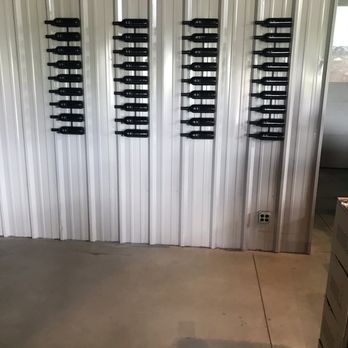
We had the luck of being able to visit Scoria while on a tour of the Sunnyslope wine area. As you pull in it's a very unassuming building with the grapes barely visible off in the distance. The guide was very knowledgeable about the grapes and the special soil in the area. She didn't try and force theories on us but let us know several different thoughts on what impact the volcanic soil has in the wine production. We tasted six different wines. My favorites were the Riesling and the two Malbec varietals. A nice room that would be great for a intimate party. read more


3 years ago

5 years ago
2 years ago
Business owner information

Sydney N.
Greetings Ron!…

3 years ago
3 years ago
3 years ago


7 years ago
7 years ago
More info about SCORIA Vineyards
12639 Walker Lake Rd
Caldwell, ID 83607
Directions
(208) 550-2472
Call Now
Visit Website
http://scoriavineyards.com
Hours
Payment methods
Food & Alcohol
Services
Indoor Amenities
Outdoor Amenities
Other Amenities
From the Business