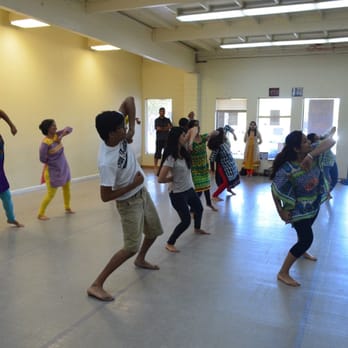
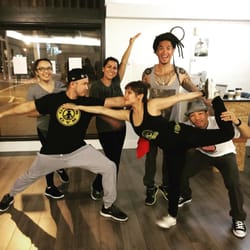
The community of dancers and students here is truly wonderful, and the connections built within are…read morethe heart of the studio. By the instructor's own account, this isn't a hula hālau, and she isn't a kumu hula. When asked about her lineage, she had no clear answer, which leaves me unsure where my own training comes from. Hula and ʻori carry deep cultural meaning, and I believe they're best taught by trusted cultural practitioners. Families looking for that should know the difference. Beyond that, the studio's operations leave a lot to be desired.
BILLING AND TRANSPARENCY: There's a lack of transparency around pricing and accounts, and a clear information asymmetry between the studio and its students. Contracts include unspecified early-withdrawal terms alongside a verbal no-refunds policy. Despite published fees, tuition and contract terms are set one-on-one through SMS or DM, which never felt fully aboveboard. Tuition is paid to the owner's personal Venmo rather than a business account, and staff have asked students for screenshots as proof of payment. If the studio can't confirm payments from its own records, I have little faith in its bookkeeping. In my experience, this led to calculation discrepancies and disputed overcharges. I tried to resolve them directly, but after weeks of back-and-forth, the process became too draining to continue. Between tuition, costumes, merch, show fees, deposits, donations, and potlucks, it felt like flying Allegiant: everything is à la carte.
SCHEDULING AND COMMUNICATION: Classes frequently start and end late, and showcase practices are often scheduled or changed at the last minute. Once, students got about 15 minutes' notice to pick up costumes before a practice across town. The day before one show, everyone was asked if someone could pick up 100 lbs of dry ice, a real handling and transport risk. Processes change yearly with no consistency, and hōʻike season communication is lacking and last minute. Staff often can't answer students' questions about anything, from contracts to schedules to costumes.
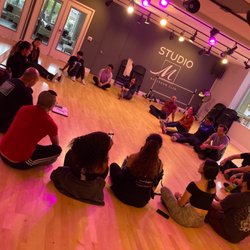
FACILITIES: A review here from nine years ago called the building run down; the owner replied it was being upgraded and had a common area for families. During the 2024 hōʻike, students were asked to donate money for raffle baskets, the studio sold raffle tickets at its shows, and staff confirmed in writing that proceeds would go to the "hālau" for studio upgrades, but in my observation, no upgrades were apparent. The building is still run down, and parents often end up waiting on the floor in a cramped hallway of questionable cleanliness.
VOLUNTEER EXPECTATIONS: Though this is a for-profit business charging commercial tuition, it relies heavily on students and volunteers for operational work. Parent volunteers also supervise children backstage during shows, and I was never told whether volunteers working with minors are screened. After the annual shows, students who already paid participation fees were expected to clean the theater or forfeit a $50 deposit.
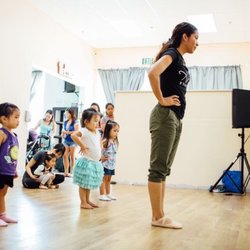
INSTRUCTION AND CULTURE: The emphasis is on performance rather than cultural preservation. Classes center on show choreography, while the ʻōlelo Hawaiʻi and meaning of each mele are left for students to study from a literal translation. Without a kumu to teach the kaona and context behind each mele, much of the meaning is lost. In one class, the instructor asked if anyone knew what May Day was. A student answered that it's when hālau across the Bay Area come together to dance, and the instructor didn't correct her. May Day is Lei Day in Hawaiʻi, a spring celebration of lei-making, island culture, and the spirit of aloha. Moments like that were missed chances to teach the culture. Students get amazing opportunities to perform at theme parks and pro sporting events. Given the limited cultural grounding, I feel those stages could be better shared with Polynesian groups trusted with perpetuating the culture. Much of class is students following along while the instructor often sits at her desk in the corner, with little individual correction from "alakaʻi." Placements also seemed to favor a few. For one mele, several girls who consistently attended practice were placed in the back, while relatives of a longtime student were centered despite being absent often. Class can also be uncomfortable, as the instructor often speaks to staff in a condescending way in front of students. Over about five years, I invested five figures in tuition and fees without focused attention on my technique or cultural understanding.
It's unfortunate that such a wonderful community is managed this way. Rather than trying to control what students say through "hālau rules" that restrict gossip and feedback, I'd encourage the studio to earn a better reputation by investing in transparent billing, better organization, and focused, hands-on instruction. A regular, anonymous pulse survey might help the studio understand how students actually feel.