Safeway
Safeway Photos


You might also consider


More like Safeway
Recommended Reviews - Safeway
Start your review...

Reviews With Photos


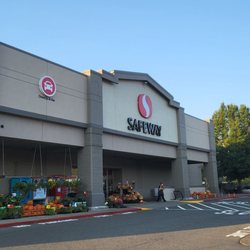
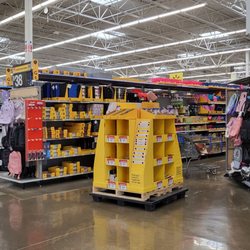
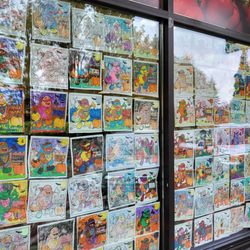
I have been to many of these stores in my day. Safeway is one of my favorite stores to shop at. This particular store is a wee bit dated. Looks like it hasn't had a facelift since 1982. Isles look like they are dirty and worn. The store front definitely looks aged more than cheddar. Not to mention all the homeless that were hanging around outside (definitely not the stores fault). Cashier was friendly (like most of the Washingtontonians, that we have encountered). Most likely will shop here again, but not really digging this store at the moment.


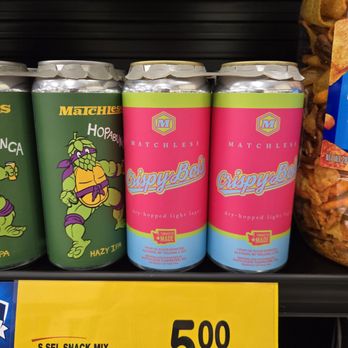
I go to Safeway at least 3 to 4 times a week and even tho they are more expensive than most stores I still go there, but they have radically changed their beer selection. Once having a bunch of single bottle options to now having 5 choices and the variety sucks. Let's go Safeway step it up.


11 months ago

3 years ago

3 years ago
Safeway brought back there hand pies. They had Apple, Cherry, BlackBerry, Lemon and Boston cream. That's all I'm here for also if someone from Safeway reads this bring back the chocolate pie thank you. read more


2 years ago

3 years ago
2 years ago

3 years ago

I have been to many of these stores in my day. Safeway is one of my favorite stores to shop at. This particular store is a wee bit dated. Looks like it hasn't had a facelift since 1982. Isles look like they are dirty and worn. The store front definitely looks aged more than cheddar. Not to mention all the homeless that were hanging around outside (definitely not the stores fault). Cashier was friendly (like most of the Washingtontonians, that we have encountered). Most likely will shop here again, but not really digging this store at the moment. read more

5 years ago
Business owner information

Dawn M.
Thank you for your feedback. We are sorry to hear about this. Please…

8 years ago

7 years ago
I go to Safeway at least 3 to 4 times a week and even tho they are more expensive than most stores I still go there, but they have radically changed their beer selection. Once having a bunch of single bottle options to now having 5 choices and the variety sucks. Let's go Safeway step it up. read more


5 years ago

16 years ago

16 years ago

11 years ago

11 years ago
Best Safeway in Olympia! Friendliest employees and great constantly improving selection! They always greet me with a smile! I am also impressed with how they have responded to the local communities' desire for healthier, local, organic and non-GMO food products! read more


8 years ago

8 years ago

9 years ago
8 years ago

8 years ago

9 years ago

9 years ago

9 years ago


15 years ago

13 years ago


10 years ago
9 years ago

13 years ago

11 years ago
8 years ago
11 years ago
11 years ago
14 years ago
11 years ago