
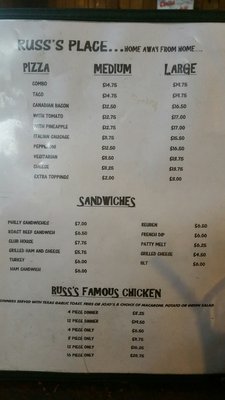
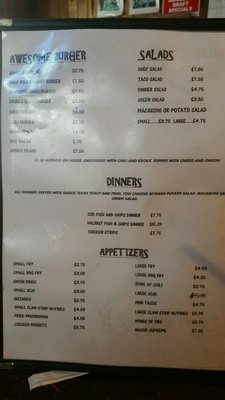
Russ's Place Photos


Business Info
You might also consider


More like Russ's Place
Recommended Reviews - Russ's Place
Start your review...


0
2
0
5 months ago
Helpful 0
Thanks 0
Love this 0
Oh no 0

0
1
0
1 year ago
Helpful 0
Thanks 0
Love this 0
Oh no 0

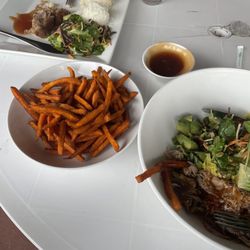
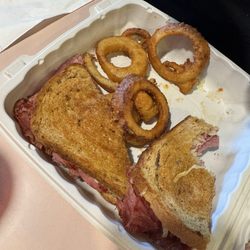
Friendly service and patrons alike. We stopped in for a quick drink after a stroll on the Lewis and Clark trail. Kinda disappointed that they only had beer and wine, but we stuck around and conversed with the locals while we drank cold beers and snacked on some delicious curly fries. Wish they weren't cash only, too. But they have an ATM onsite. read more
Helpful 0
Thanks 0
Love this 0
Oh no 0

0
5
7
1 year ago
Helpful 0
Thanks 0
Love this 0
Oh no 0

33
15
0
6 years ago
Helpful 0
Thanks 0
Love this 0
Oh no 1

2
1
0
7 years ago
Helpful 0
Thanks 0
Love this 0
Oh no 0

78
3
0
9 years ago
Helpful 0
Thanks 0
Love this 0
Oh no 0
0
34
2
10 years ago
Helpful 0
Thanks 0
Love this 0
Oh no 0

42
2
0
10 years ago
Helpful 0
Thanks 0
Love this 0
Oh no 0
0
1
0
10 years ago
Helpful 0
Thanks 0
Love this 0
Oh no 0
More info about Russ's Place
Ask the Community - Russ's Place
You might also consider














Why does Yelp recommend reviews?
1 review that is not currently recommended
The reviews below are not factored into the business's overall star rating.
0
1
0
21 days ago


