
Oso Slide Memorial Photos


You might also consider

More like Oso Slide Memorial
Recommended Reviews - Oso Slide Memorial
Start your review...


Reviews With Photos


The memorial is currently fenced off as they are constructing a ton of improvements. There are still some areas to interact with to get to know all the folks who were affected by this event. I look forward to coming back next year.

4 months ago
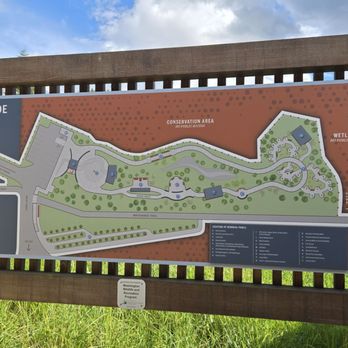
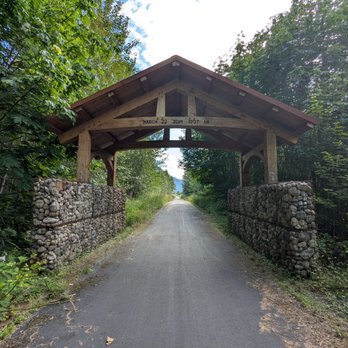
It's tragic that this Oso Slide Memorial even exists, but I'm glad it's here for what unfortunately happened. To remember those lost in the deadliest landslide in the nation, the Oso Slide Memorial is beautifully constructed. I remember stopping by here years ago before it was more established, and now, it really is a beautiful memorial. The memorial is a tribute to the landslide that occurred back in 2014 near the Oso area. There is some parking outside the entrance, and through the entrance is a walkway that leads you along the path, with signs and information of the Oso landslide. It explains the incident, how the landslide happened, the recovery efforts and what is being done now to prevent something like this from happening again. Lastly, towards the end of the pathway, is a tribute to the victims, telling us more about the lives they led in the area. It was very sad to read their stories and what the area meant to them. In addition to the pathway with information and story-telling, there are picnic tables and areas to sit and reflect at. There were also portable toilets in the parking lot. If you're traveling northward up by Arlington, this is worth visiting, if not only to learn about the incident that happened years ago, but to pay respect to those individuals whose lives were lost in this natural disaster. Very beautiful and moving. read more


4 months ago
A beautiful tribute to a tragic event. Very powerful. I remember when it happened. The entire community immediately sprung into action. The Oso Fire Station was the huge staging area for everything. They became so overwhelmed for space that we were redirected to one of the local aerospace companies to drop off donations. We went to Walmart and bought out all of their bar oil inventory. It was needed for the endless amount of chainsaws used for operations. Highly recommend a visit to this amazing memorial. read more




2 months ago
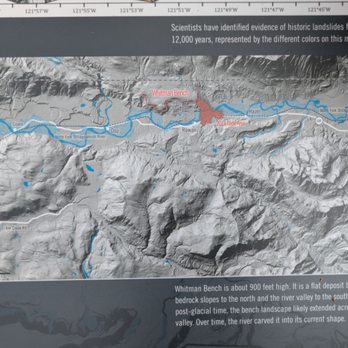
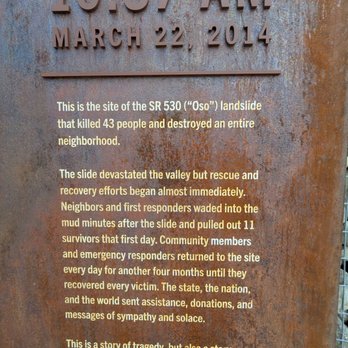
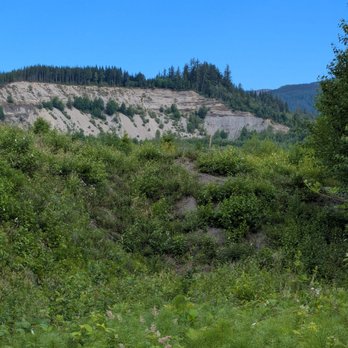
This scenic, yet sobering, roadside memorial is a stark reminder of the destruction caused by the Oso landslide. It features signage about the geology of the slide, with before and after pictures, and a walkabout through memorials of each of the lives lost in the tragedy. This is a very well done memorial, and definitely worth a stop if you're in the area. It's easy to forget things like this, having watched them on the news so many years ago, without really thinking about the ongoing impact they've had on the community and so many affected families. We've passed by this spot many times over the years, and I'm glad we finally took the time for a proper visit. read more
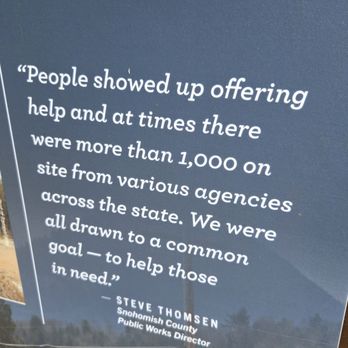

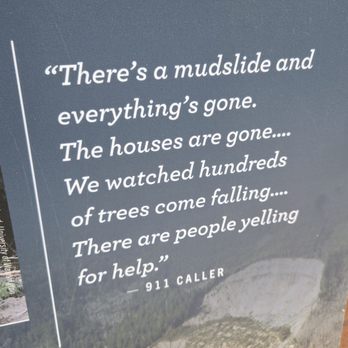


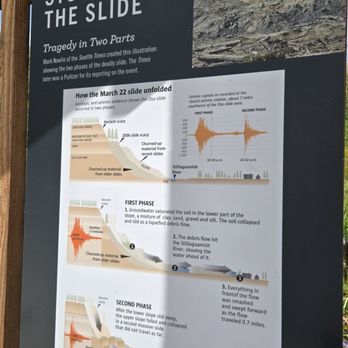


The memorial is currently fenced off as they are constructing a ton of improvements. There are still some areas to interact with to get to know all the folks who were affected by this event. I look forward to coming back next year. read more


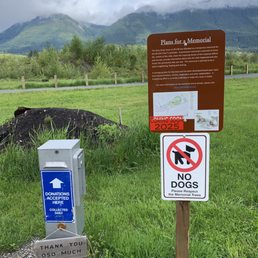
Oso Slide Memorial as my parents and I visited it on Sunday the 3rd of May 2020 is the temporary memorial dedicated to the mud/landslide that took place along SR 530 in Oso, Washington on the 22nd of March 2014. There is a more permanent memorial in the works that has a tentative deadline of 2025. You can read more about it on the memorial's website. I remember this slide when it happened. I was taking coursework in sedimentology and stratigraphy as part of the requirements for my degree in Geology and Geophysics when the slide occurred. As part of our curriculum we learned about river and stream flow and how it affects the surrounding landscape/soil. On one of our exams we were tested on why the slide had occurred. Broken down, the two major factors leading to the slide were heavy rainfall and bank destabilization. A reduction in the number of trees in the area removed tree root systems that helped stabilize the bank/hill. Heavy rainfall meant heavier water flow in the neighboring river. Increased water flow led to more water eroding the dirt/soil along the banks of the river destabilizing the slope from below. Combine that with destabilization higher in the slope from a decrease in the number of trees and swoosh went the land. This course I was taking at the University of Hawai'i at Mānoa in Honolulu. The impact of the landslide was immediate both in the surrounding community of Oso as I learned at this memorial and more widespread in the geological community. I was happy to finally make it out to this memorial as it was an event I heard and learned about at the time. The temporary memorial is beautiful. It honors the victims who lost their lives during the slide as well as those who survived and those who helped in response to the event. I loved the 43 trees planted, each one decorated in memory of an individual who died in the slide. The placards provided useful information about the landslide and the social impact it had. I value this as the human impact was one not so much covered in my technical training. Views of the surrounding mountains and the surface where the land slid were stunning. I also liked the artwork included to help give a feel for what the place used to be, a home to those who were killed, survived, and/or lost their home there. read more
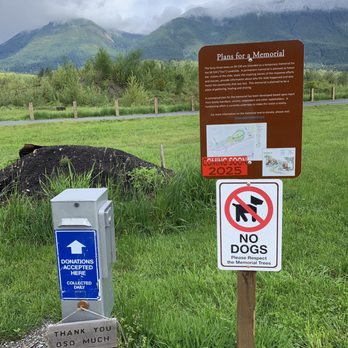
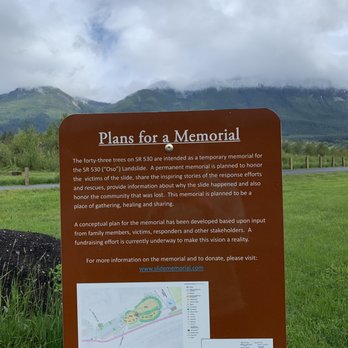


3 years ago
More info about Oso Slide Memorial
Ask the Community - Oso Slide Memorial


















Oso Slide Memorial - landmarks - Updated October 2026
Best of Washington
People found Oso Slide Memorial by searching for…
Things to Do in Washington, WA
Scenic Drive in Washington, WA
Historical Sites in Washington, WA
Scenic Overlook in Washington, WA
Fire Departments in Washington, WA
Abandoned Buildings in Washington, WA
Scenic Views in Washington, WA
Historical Tours in Washington, WA
Tourist Attractions in Washington, WA
Observation Deck in Washington, WA
Places to Take Pictures in Washington, WA


