
New Clairvaux Vineyard Photos


More like New Clairvaux Vineyard
Recommended Reviews - New Clairvaux Vineyard
Start your review...

Reviews With Photos


Not sure why it took me this long to visit but all that I needed it to be ! Great tasting ! Awesome service and the ambiance .....stellar. Lots Of history which makes it all the more memorable!


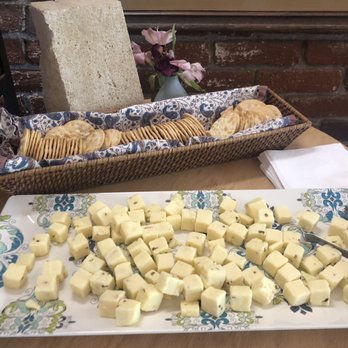
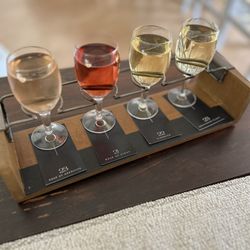
We visited last weekend for some casual wine tasting and it was very nice! I love how they are making it work outside although they can't assume business as usual. We made an appt. the week before and they were expecting us when we arrived. He set up our table, wines, and they even provided a cheese menu if you wanted a snack while you taste. They had a little card for each tasting that you could scan with your phone and it would bring you to a YouTube video all about the wine. I loved that part! It still felt like we got the whole tasting experience with that. They also have heaters next to the tables since we've had some chilly days lately. They made a big difference and were much appreciated as someone who gets very cold! Afterwards, we were able to go inside, pay for the $10 tasting, and purchase wine and other goodies. With a purchase of a bottle of wine, they waive the $10 tasting fee, so I left with a bottle of wine, a stopper, and having done a full tasting for only $23. Highly recommend if you are looking for a mellow activity to do or have a friend in town.
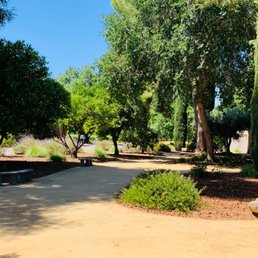

A surprise literally in the middle of nowhere. This was recommended by someone we met while tasting wine in Chico. Definitely worth the drive. An old monastery with a history you would not expect at this location. We had a flight of six wines and thoroughly enjoyed three of the six. Loved the The two whites served and the Primitivo which was similar to a Zinfandel. The service was friendly and knowledgeable and the history intriguing. The charcuterie was simple but worked with wine. If you are searching for hidden treasure, this might be the place. Call ahead so you can tour the monastery and book store. It was closed when we were there


This winery is one-of-a-kind! Amazing! Great history. Take a very short stroll through the tasting room to view pictures. There are even free recipe cards with food to match with wine. Awesome! Any questions you have can be answered. Staff was so kind and helpful! Plenty of wines to choose from.


Question: Does wine taste better if you know its history? Answer: No, not better. Deeper. Richer. More meaningful, perhaps. But not necessarily better. Actually, New Clairvaux wines are excellent, if you can find them. Outside of Chico and neighboring towns and cities, the distribution is fairly limited, unless you are a wine club member. Add in the Napa Valley wines sold under the "Aimée" label, sourced from the family-owned Nichelini vineyards outside of St. Helena (http://www.nicheliniwinery.com), in addition to the range of red, white, sweet, and rosé wines that are estate grown on the monastery grounds here in Vina (a 15 minute drive from Corning), and you still don't have a production large enough for statewide or nationwide distribution. The history, however, is deep. The estate was growing grapes in the nineteenth century, as part of a property operated by Leland Stanford. The Cisterician monastic order (aka the Trappists) that operates New Clairvaux can claim a lineage that includes winemaking innovations going back many centuries in Burgundy, Champagne, Spain, and Germany. So the fact that you can taste great Tempranillo here, or savor an award-winning Syrah-Cabernet blend named in honor of a former head of the monastery (the Abbot's Reserve), or enjoy a wonderfully light and refreshing Albariño that retails for under $15, this may not exactly be news - just all part of keeping the legacy of fine wine making alive in the early twenty-first century. Note: when you wine taste at NCV, you are trying wines from Tehama County, one of the least known AVAs in California, as well as wines from the most famous region in the state - i.e. Napa Valley. The difference will be obvious in terms of price and style, but the winemaker is the same: Aimée Sunseri, an extremely talented female winemaker who somehow has managed to combine her family's Italian-American wine traditions with those of the monks at New Clairvaux and of the larger history of the old Stanford-owned estate. You can sample white Angelica here, a fortified white wine (100% Muscat fortified with pure grape brandy), and a great Vino Dolce that is portlike in character. This is how wines were often enjoyed back in Leland's day. But you can also try top-notch Napa Valley Merlot (the 2015 vintage is exceptional), or interesting blends that use New Clairvaux Petite Sirah grapes blended with Tempranillo ("Petite Temptation"). And the whites - especially the Albariño - are extremely good as well. The price range goes all the way from under $15 to over $50, and a $5 tasting fee will likely give you a chance to sample 5-6 wines, depending on what is open. If you're returning to the I-5 corridor, you can also buy New Clairvaux wines at the Olive Pit in Corning, even tasting some of them there if they are on the menu that day (the OP has a very good local wine and beer section; it's not just for olives). Visiting the New Clairvaux tasting room is fun: this is a working monastery, with wine as only part of the package. It ain't Napa, even if some of the wines are. Given the location, the wines on offer will vary a lot - Tehama County gets scorchingly hot most summers, even if the monastery grounds themselves are well irrigated by the Deer Creek and Sacramento River watersheds. It's best to come with an open mind and find a few wines to your liking. They may not be your usual favorites, either. The New Clairvaux Vineyard may be one of the most unique tasting experiences in all of California, which is saying quite a lot. If the wines weren't good, this would not be worth the journey. But they are. And that makes it a perfect road trip destination, the next time you are just passing through.
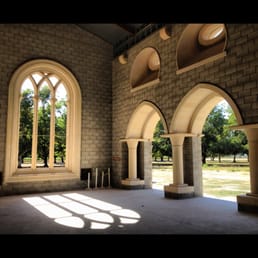

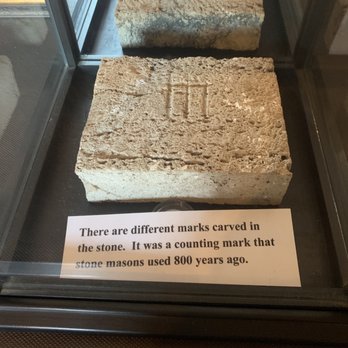
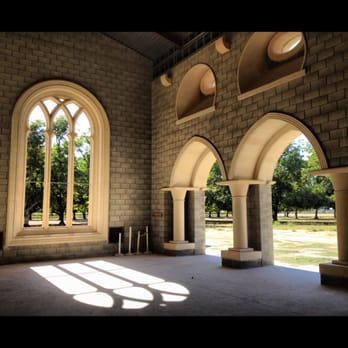
What a beautiful, peaceful place. It's off the beaten path, once you turn in keep drive past several buildings, you'll see a sign and turn right to park. Go inside for tastings. I wish we had more time to spend here but we were on out way out of town. The staff are extremely friendly and knowledgable. Tasting is $5 and free if you by a bottle. I enjoyed the Monk's Choice (a blend) and also the 2010 James Temperanillo, had a fruity smoky oak flavor with a cherry aroma. The grounds are beautiful so go walk around. There is something called the Stone Project that's about a 3 minute walk from the tasting room. It's incredible. They using both new limestone from Texas and old limestone from Spain that was brought in about 1190. Together these are just beautiful looking, they're building an abby. I hear this place is just as popular as some Napa vineyards, however we were the only ones there at the time. But then again it was Monday at 11am, so maybe we just beat the crowd. Next time we're in town hopefully we can spend more time here.
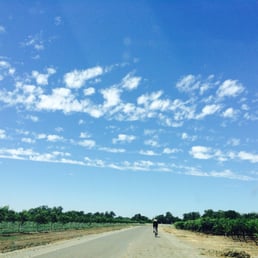

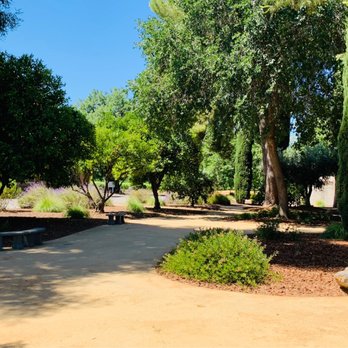
Though it's tough to see the signs to get here, the struggle is worth it!! Very kind people serving wine here. Tasting is 5$ (waived if you buy a bottle or for special occasions like Father's Day) We packed a picnic but people abused the picnic tables they used to have so we just laid out blankets in the shade and it was marvelous! Twirl about the historic monetary they're building on the grounds (collecting it piece by piece after its been scattered) and enjoy the views of the California hills. PROs: a wide variety of wines, (some of never heard of) kind people, pretty grounds to tour CONs: tough to find, no picnic tables


This is one of the most interesting historic wineries in California, and my favorite. Plus the wines are excellent. They have many varietals and the quality is top notch for all, plus priced exceptionally well. A tasting is a remarkably inexpensive $10, comped if you buy a bottle. It's well worth the price. The property is owned and operated by a group of Trappist Cistercian monks. There's a lot of information to read about them and the history on placards on the property. The property is fascinating in itself and they also have a centuries old portion of a abbey from Spain reconstructed on the property. It was purchased by William Randolph Hearst and the stone blocks stored in Golden Gate Park in San Francisco for decades. They were donated to the monks here with the understanding it be recreated on the site. It has been, and magnificent. The wine tasting is very informative and the knowledgeable staff will walk through each selection. This may be a bit far afield but well worth the trip. read more




3 months ago
I've always loved the history and culture surrounding the relationship between wine and monasteries around the world. This one I've been wanting for visit for many years due to its ties to Sierra Nevada Brewing nearby and also the story of the abbey stores from Europe. Mix that with the original owners of the areas, murder, and ghost stories in Hawaii, it makes for a fascinating visit! I'll spare the long history to be enjoyed on your visit. This entire region is fruit orchards and beautiful fields. New Clairvaux sits as part of a vineyard that was much larger long ago. The current vineyard is easy to get to with clearly marked signs and plenty of parking. Inside the barn you'll find the wine shop and gift shops, which you can also do tours and tastings. It's also an event space. The monastery is nearby down a shaded path, but visiting is restricted. The church is also nearby, which incorporates stones from an ancient abbey in Europe that themselves took an amazing and long journey to and up here. The gardens and vines are worth walking through, it's a beautiful area. We all decided to do the basic tasting tour where they share the history and stories while you taste. If you're a wine or history buff, this one is worth visiting. read more


7 months ago

1 year ago

1 year ago



3 years ago

6 years ago
We visited last weekend for some casual wine tasting and it was very nice! I love how they are making it work outside although they can't assume business as usual. We made an appt. the week before and they were expecting us when we arrived. He set up our table, wines, and they even provided a cheese menu if you wanted a snack while you taste. They had a little card for each tasting that you could scan with your phone and it would bring you to a YouTube video all about the wine. I loved that part! It still felt like we got the whole tasting experience with that. They also have heaters next to the tables since we've had some chilly days lately. They made a big difference and were much appreciated as someone who gets very cold! Afterwards, we were able to go inside, pay for the $10 tasting, and purchase wine and other goodies. With a purchase of a bottle of wine, they waive the $10 tasting fee, so I left with a bottle of wine, a stopper, and having done a full tasting for only $23. Highly recommend if you are looking for a mellow activity to do or have a friend in town. read more


2 years ago


A surprise literally in the middle of nowhere. This was recommended by someone we met while tasting wine in Chico. Definitely worth the drive. An old monastery with a history you would not expect at this location. We had a flight of six wines and thoroughly enjoyed three of the six. Loved the The two whites served and the Primitivo which was similar to a Zinfandel. The service was friendly and knowledgeable and the history intriguing. The charcuterie was simple but worked with wine. If you are searching for hidden treasure, this might be the place. Call ahead so you can tour the monastery and book store. It was closed when we were there read more


7 years ago
This winery is one-of-a-kind! Amazing! Great history. Take a very short stroll through the tasting room to view pictures. There are even free recipe cards with food to match with wine. Awesome! Any questions you have can be answered. Staff was so kind and helpful! Plenty of wines to choose from. read more




3 years ago


9 years ago
Question: Does wine taste better if you know its history? Answer: No, not better. Deeper. Richer. More meaningful, perhaps. But not necessarily better. Actually, New Clairvaux wines are excellent, if you can find them. Outside of Chico and neighboring towns and cities, the distribution is fairly limited, unless you are a wine club member. Add in the Napa Valley wines sold under the "Aimée" label, sourced from the family-owned Nichelini vineyards outside of St. Helena (http://www.nicheliniwinery.com), in addition to the range of red, white, sweet, and rosé wines that are estate grown on the monastery grounds here in Vina (a 15 minute drive from Corning), and you still don't have a production large enough for statewide or nationwide distribution. The history, however, is deep. The estate was growing grapes in the nineteenth century, as part of a property operated by Leland Stanford. The Cisterician monastic order (aka the Trappists) that operates New Clairvaux can claim a lineage that includes winemaking innovations going back many centuries in Burgundy, Champagne, Spain, and Germany. So the fact that you can taste great Tempranillo here, or savor an award-winning Syrah-Cabernet blend named in honor of a former head of the monastery (the Abbot's Reserve), or enjoy a wonderfully light and refreshing Albariño that retails for under $15, this may not exactly be news - just all part of keeping the legacy of fine wine making alive in the early twenty-first century. Note: when you wine taste at NCV, you are trying wines from Tehama County, one of the least known AVAs in California, as well as wines from the most famous region in the state - i.e. Napa Valley. The difference will be obvious in terms of price and style, but the winemaker is the same: Aimée Sunseri, an extremely talented female winemaker who somehow has managed to combine her family's Italian-American wine traditions with those of the monks at New Clairvaux and of the larger history of the old Stanford-owned estate. You can sample white Angelica here, a fortified white wine (100% Muscat fortified with pure grape brandy), and a great Vino Dolce that is portlike in character. This is how wines were often enjoyed back in Leland's day. But you can also try top-notch Napa Valley Merlot (the 2015 vintage is exceptional), or interesting blends that use New Clairvaux Petite Sirah grapes blended with Tempranillo ("Petite Temptation"). And the whites - especially the Albariño - are extremely good as well. The price range goes all the way from under $15 to over $50, and a $5 tasting fee will likely give you a chance to sample 5-6 wines, depending on what is open. If you're returning to the I-5 corridor, you can also buy New Clairvaux wines at the Olive Pit in Corning, even tasting some of them there if they are on the menu that day (the OP has a very good local wine and beer section; it's not just for olives). Visiting the New Clairvaux tasting room is fun: this is a working monastery, with wine as only part of the package. It ain't Napa, even if some of the wines are. Given the location, the wines on offer will vary a lot - Tehama County gets scorchingly hot most summers, even if the monastery grounds themselves are well irrigated by the Deer Creek and Sacramento River watersheds. It's best to come with an open mind and find a few wines to your liking. They may not be your usual favorites, either. The New Clairvaux Vineyard may be one of the most unique tasting experiences in all of California, which is saying quite a lot. If the wines weren't good, this would not be worth the journey. But they are. And that makes it a perfect road trip destination, the next time you are just passing through. read more



14 years ago
What a beautiful, peaceful place. It's off the beaten path, once you turn in keep drive past several buildings, you'll see a sign and turn right to park. Go inside for tastings. I wish we had more time to spend here but we were on out way out of town. The staff are extremely friendly and knowledgable. Tasting is $5 and free if you by a bottle. I enjoyed the Monk's Choice (a blend) and also the 2010 James Temperanillo, had a fruity smoky oak flavor with a cherry aroma. The grounds are beautiful so go walk around. There is something called the Stone Project that's about a 3 minute walk from the tasting room. It's incredible. They using both new limestone from Texas and old limestone from Spain that was brought in about 1190. Together these are just beautiful looking, they're building an abby. I hear this place is just as popular as some Napa vineyards, however we were the only ones there at the time. But then again it was Monday at 11am, so maybe we just beat the crowd. Next time we're in town hopefully we can spend more time here. read more

7 years ago

5 years ago

Though it's tough to see the signs to get here, the struggle is worth it!! Very kind people serving wine here. Tasting is 5$ (waived if you buy a bottle or for special occasions like Father's Day) We packed a picnic but people abused the picnic tables they used to have so we just laid out blankets in the shade and it was marvelous! Twirl about the historic monetary they're building on the grounds (collecting it piece by piece after its been scattered) and enjoy the views of the California hills. PROs: a wide variety of wines, (some of never heard of) kind people, pretty grounds to tour CONs: tough to find, no picnic tables read more
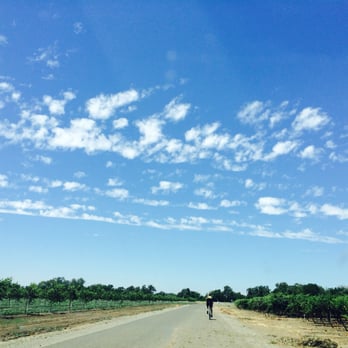

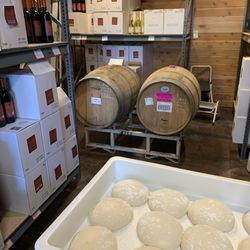
Looking for a place to take your friends and family who visit Chico? This is it! It's only a 20 min drive north of Chico. On your drive, you get a beautiful view of Mt. Shasta on the west and Lassen Peak on the east. If the timing is right, come for their monthly complimentary winery tour and wine release! In fact, my friends, e$, MB, C, and E did just that! We ventured here for the first time for their 2013 Poor Souls Petit Sirah wine release on the Saturday before Valentine's Day. The tour was more than just a series of free wine tastings (e.g. petit sirah, petit temptation) and cheese/cracker pairings, though I'd have been fine with just that! Our guide, John, also gave an especially informative slide presentation about the history and the role that the Trappist monks and the Stanford and Senseri families played in the development of the vineyard. This was followed by a tour of the vineyards and wine storage lots. We also took home the New Clairvaux wine glass for free! I also acquired a new liking for 50/50 blends of petit sirah red and tempranillo (petit temptation)! My only qualm is that we didn't get to see the actual wine-making process, or visit the spaces for monks, which were off limits to visitors. There's enough parking to accommodate up to crowds of 250 for wine release weekends! Pro tip: Sign up online for their mailing list to get notified of wine releases. read more


3 years ago

8 years ago

9 years ago

9 years ago

7 years ago


12 years ago

16 years ago

8 years ago

12 years ago

10 years ago
My boyfriend and I came here for a wine tasting which was $5. The wines were all excellent, the server (Bryce) was very engaging and told us about local Chico hikes and places to check out. Super friendly, knew all the history of the winery and was engaging in conversation. We even got a little extra wine at the end to sample. Bought two bottles before we left because it was just so tasty! read more


10 years ago
What a great place. The people and vineyard is so nice you're sure to enjoy it. They have a small bookstore but the entire place is huge and could take a day to see it all at least. Worth a shot if you have some time. Loved it read more


7 years ago

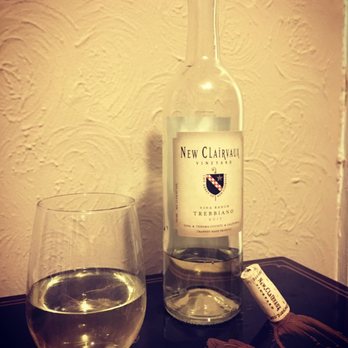
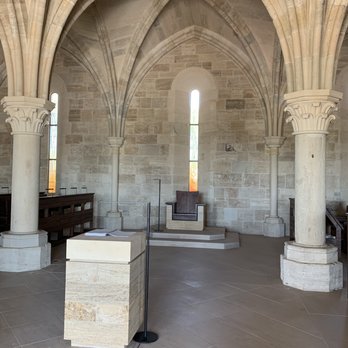
Honestly hands down this is my absolute favorite winery in all of California! Actually my favorite winery I've ever been too. This winery is located in the small town of Corning, CA and the only reason why I discovered it is because my fiancé's grandmother lives close by and she recommended this winery to us since we LOVE wine. It's is a beautiful winery that has their church right next door that you can visit and see the beauty. The church is the prettiest church I've ever seen that I posted some pictures of. I've tasted a few of their wines from the Syrah, table red wine, Sauvignon bland and Barbara and all have been amazing! My favorite wine that I've tasted is the Barbera 2016 one! My fiancé and I actually ended up buying 4 bottles of it we loved so much and it was very in expensive only about $20 which is a steal for such high quality wine. We went to Napa and bought bottles that were about $100 each and still the Barbara wine from New Clairvaux was the best out of all the wine we bought and was the cheapest! I would HIGHLY recommend this place to anyone that wants to visit a winery in the Northern California area! read more



5 years ago

7 years ago

14 years ago
If you are looking at going back in time, this is the place. Beautiful grounds and tasting room. The monks serve he wine. History galore within its buildings. I recommend everyone stop by this beautiful winery. read more

9 years ago
Page 1 of 2
More info about New Clairvaux Vineyard
26240 7th St
Vina, CA 96092
Directions
(530) 839-2200
Call Now
Visit Website
http://www.newclairvauxvineyard.com
Hours
Payment methods
Food & Alcohol
Services
Indoor Amenities
Outdoor Amenities
Other Amenities
Ask the Community - New Clairvaux Vineyard
Can anyone walk in without a reservation?
Yes - just walk on in and belly up to the wine bar. They are quick to assist you.
Review Highlights - New Clairvaux Vineyard


















Why does Yelp recommend reviews?
3 reviews that are not currently recommended
The reviews below are not factored into the business's overall star rating.
3 years ago
10 years ago

11 years ago


