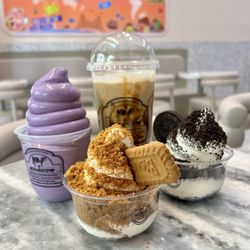
Milkcow - Grand Flamingo
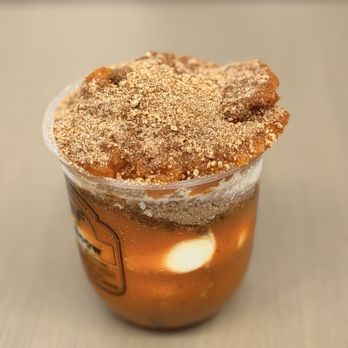
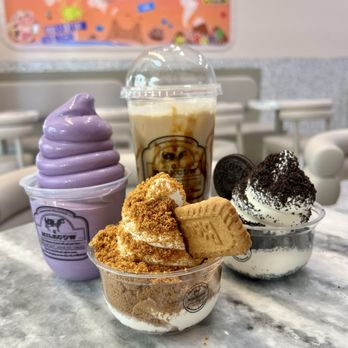
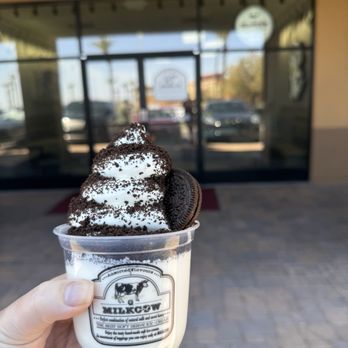
Milkcow - Grand Flamingo Photos

Business Info

You might also consider


More like Milkcow - Grand Flamingo
Recommended Reviews - Milkcow - Grand Flamingo
Start your review...


Reviews With Photos

This place has the best soft serve I've tasted in a longgggg time. They have plenty of combinations, toppings, and flavors as well as crouffles (soft serve on waffles) that you can try. It is all so good-you really can't go wrong It's located in a plaza with plenty of parking and there is seating inside for people (which is hard to come by in ice cream places for some reason). Good place to cool off on a hot day. The staff are incredibly kind and patient when taking your order and there's not a long wait for the order at all. Boba is only okay-could probably find other boba places that are way better but the soft serve more than makes up for it!

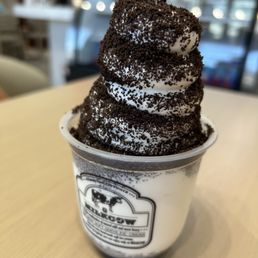
After dinner last night we stopped at this fairly new South Korean Ice Cream shop in our neighborhood called Milkcow Cafe. Was good. I wasn't too adventurous and just got the cookies and cream. Carol got the seasonal special pumpkin spice because of course she did.


My all time favorite soft serve shop in Vegas! It's the perfect sweet treat for any time of the day. There's so many different creations you can choose from or build on your own! A must try if you're ever craving something sweet.

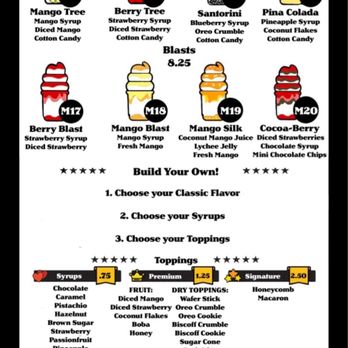
This is the second Vegas location of Milkcow, but I just made my first visit over the weekend. The South Korean-based chain specializes in premium soft serve ice cream and I became a fan after having the Milky Cube with natural honeycomb. It wasn't busy when we arrived on Sunday afternoon so it didn't take long at all to get our orders. My friend and I had the same thing and it was delicious. I really love the creamy ice cream and the honeycomb is something I don't get every day, so it's a real treat. There are monthly specials and different soft-serve flavors and combos to choose from. They also offer cotton candy items as well as tea drinks and shakes. The establishment has lots of seating and it's very clean.
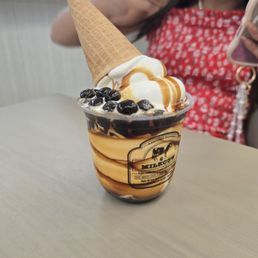

Found this new location when we were visiting family in LV. Im so happy we stopped in. The ice cream texture is a dense soft serve but also fluffy. Its a very unique consistency. They also have Boba drinks but we only got ice cream. Fun & cute little shop.


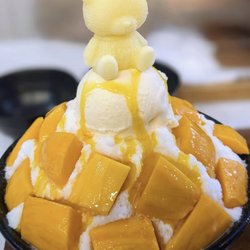
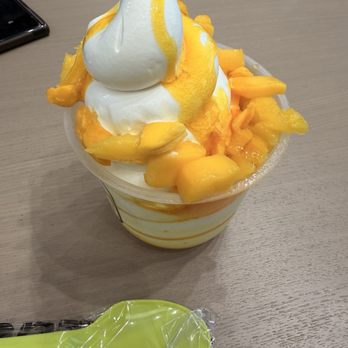
We came here for a late night snack and this place did not disappoint. This place has great airy, soft ice cream. The mango ice cream was good. The kids each got an Oreo ice-cream and they both liked it. This place also has boba tea as well. For next time I definitely want to try the ube ice cream. The ice cream came out within reasonable timeframe.
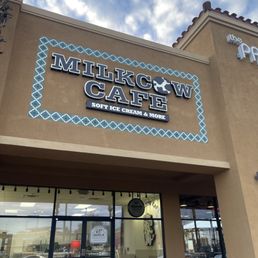

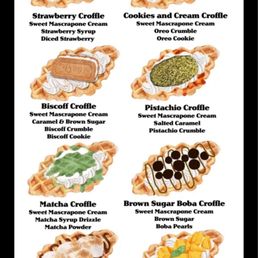
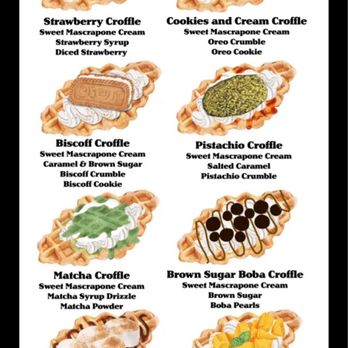
If you have a sweet tooth, you have to try this place out. It's a cute little shop that serves a variety of drinks, desserts, and soft-serve ice-cream. As we were walking in, the cashier at the front immediately greeted us. She was very friendly and let us know which ones were the most popular items and flavors. There were so many great options, but I knew I had to try one of their Croffles. I ordered the Strawberry Croffle which came with a kid's size classic soft serve, so I went with the Ube flavor which was highly recommended. My husband decided to order the Strawberry Cheesecake soft-serve which tends to be his favorite flavor of ice-cream. All of our sweet treats came out in a timely manner and they were presented beautifully. The croffle was warm and buttery, with a crispy exterior, and flaky inside. The fresh strawberries with the Mascarpone cream balanced out all the sweetness from the strawberry syrup. The Ube soft-serve was very smooth and creamy with a hint of nutty flavor that I absolutely love. My husband said the strawberry cheesecake soft-serve was blended very well and had a ton of flavor. Both of our desserts exceeded our expectations and we'll definitely be back to try out more of their delectable treats.


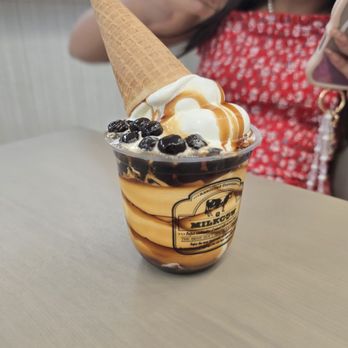
The ice cream at Milkcow was so smooth and creamy. I ordered the honey soft serve with honeycomb and it was really good. The honeycomb added a nice texture and the flavor wasn't overly sweet. When we first got there the place was completely empty, but within a short time it filled up quickly. It was a Friday evening after dinner so I guess that's the rush. They also have a lot of options on the menu. There were so many things I wanted to try that I already know I'll be coming back. Next time I definitely want to try one of the croffles.


Such a cute spot with the best soft serve ever! I love that this location has comfortable seating and more flavors than some of the others


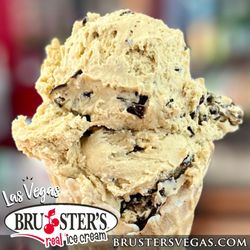
What a great find! Super clean and many tasty options. Service was amazing, very accommodating. We were taking some ice cream to go back to Henderson so they did a cool ice packing for drive back. We tried the mango and the cookies and cream. My daughter had the Hokkaido cream w boba. All amazing!


Yummm even just the plain milk is so creamy and delicious. Nothing was overly sweet. And the croffle is fantastic. I want a croffle with everything! The strawberry cheeesecake actually tasted like cheesecake. And the Oreos was light and not overwhelming. Very good!

Went about 20 minutes before closing on a Wednesday night and they were out of the croffles, which I believe would have elevated the dessert, and a primary reason I had wanted to try the place. Also out of several other items. The soft serve ice cream was creamy and good. The toppings were good. I'd go back, but hopefully they'd offer the waffles until closing. I had gotten the coconut dream and it was topped with a Girl Scout coconut chocolate cookie.


I've seen different variations of this dessert before, so I was excited when it finally came to Las Vegas. I ordered the Lemon Meringue, which felt like a lemon parfait but with soft serve instead of yogurt. The flavors were bold, the toppings generous, and the presentation beautiful--it tasted just as good as it looked. The inside had seating and some board games as well. The staff were friendly and provided great service, which made the experience even better. Overall, I highly recommend this spot to anyone looking for a creative twist on soft serve desserts.


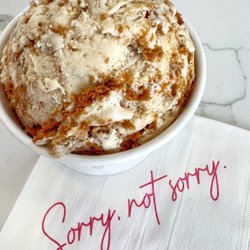
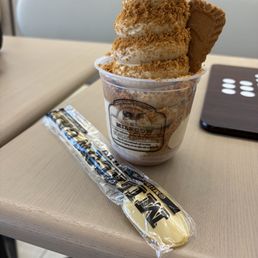
Ice Cream, Cute Vibes & Games With the Kids! I totally forgot to take pictures of our ice cream because we were too busy enjoying it! I got the cookies and cream, and my friend got the Biscoff, and OMG, both were so good! Think upscale soft serve with that extra creamy, indulgent texture that makes you want to keep going back for another bite. The Biscoff was such a great choice, and my cookies and cream definitely hit the spot. Beyond the ice cream, the shop itself is SO cute! It has a fun, welcoming vibe, and I loved that they had games available to play. We ended up playing Battleship with the kids, which made the whole visit even more fun. It was such a nice way to slow down, enjoy a treat, and let the kids have a little fun! MilkCow is definitely more than just an ice cream stop. Between the delicious soft serve, adorable atmosphere, and games to keep everyone entertained, it's a great spot for a fun outing with friends and kids. I'll absolutely be back to try more flavors (and hopefully remember to take pictures next time!) Pro tip: Don't let the lack of pictures fool you. The ice cream was THAT good! read more
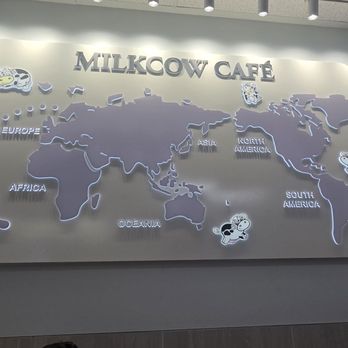


We went there after dinner for a treat. The pistachio croffle was so delicious, not too sweet. I would order out again. A little expensive though, our bill was like $11, I guess not bad for 2 items. This is a hot new place, always full, lots of families coming here. I'm glad they have an ice cream place like this. read more

Business owner information

Milkcow N.
Thank you for your review Mich! We are so happy you enjoyed the…

2 months ago
Delicious! Fast service and this location in particular definitely doesn't skimp out on the toppings. I think you definitely get more for your money by ordering the options with the soft serve that go on top. Options like the Tiramisu and strawberry cheesecake are only filled to the brim of the cup. Overall, the place is clean and have delicious desserts. read more

Business owner information
Milkcow N.
Thank you for your review Andrea! While our signature layered…

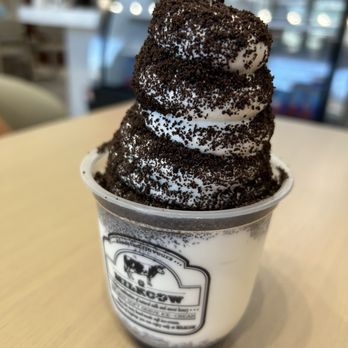
This place has the best soft serve I've tasted in a longgggg time. They have plenty of combinations, toppings, and flavors as well as crouffles (soft serve on waffles) that you can try. It is all so good-you really can't go wrong It's located in a plaza with plenty of parking and there is seating inside for people (which is hard to come by in ice cream places for some reason). Good place to cool off on a hot day. The staff are incredibly kind and patient when taking your order and there's not a long wait for the order at all. Boba is only okay-could probably find other boba places that are way better but the soft serve more than makes up for it! read more

Business owner information
Milkcow N.
Thank you for your review Nghi! The best soft serve in a long time is…

After dinner last night we stopped at this fairly new South Korean Ice Cream shop in our neighborhood called Milkcow Cafe. Was good. I wasn't too adventurous and just got the cookies and cream. Carol got the seasonal special pumpkin spice because of course she did. read more


Business owner information
Milkcow N.
Thank you for your kind review Randy! We are glad that you enjoyed…

My all time favorite soft serve shop in Vegas! It's the perfect sweet treat for any time of the day. There's so many different creations you can choose from or build on your own! A must try if you're ever craving something sweet. read more

Business owner information
Milkcow N.
Thank you for your review James! We are so glad to hear that you love…

This is the second Vegas location of Milkcow, but I just made my first visit over the weekend. The South Korean-based chain specializes in premium soft serve ice cream and I became a fan after having the Milky Cube with natural honeycomb. It wasn't busy when we arrived on Sunday afternoon so it didn't take long at all to get our orders. My friend and I had the same thing and it was delicious. I really love the creamy ice cream and the honeycomb is something I don't get every day, so it's a real treat. There are monthly specials and different soft-serve flavors and combos to choose from. They also offer cotton candy items as well as tea drinks and shakes. The establishment has lots of seating and it's very clean. read more


Found this new location when we were visiting family in LV. Im so happy we stopped in. The ice cream texture is a dense soft serve but also fluffy. Its a very unique consistency. They also have Boba drinks but we only got ice cream. Fun & cute little shop. read more

Business owner information
Milkcow N.
Thank you for your review Alison! We are thrilled that you enjoyed…

We came here for a late night snack and this place did not disappoint. This place has great airy, soft ice cream. The mango ice cream was good. The kids each got an Oreo ice-cream and they both liked it. This place also has boba tea as well. For next time I definitely want to try the ube ice cream. The ice cream came out within reasonable timeframe. read more



If you have a sweet tooth, you have to try this place out. It's a cute little shop that serves a variety of drinks, desserts, and soft-serve ice-cream. As we were walking in, the cashier at the front immediately greeted us. She was very friendly and let us know which ones were the most popular items and flavors. There were so many great options, but I knew I had to try one of their Croffles. I ordered the Strawberry Croffle which came with a kid's size classic soft serve, so I went with the Ube flavor which was highly recommended. My husband decided to order the Strawberry Cheesecake soft-serve which tends to be his favorite flavor of ice-cream. All of our sweet treats came out in a timely manner and they were presented beautifully. The croffle was warm and buttery, with a crispy exterior, and flaky inside. The fresh strawberries with the Mascarpone cream balanced out all the sweetness from the strawberry syrup. The Ube soft-serve was very smooth and creamy with a hint of nutty flavor that I absolutely love. My husband said the strawberry cheesecake soft-serve was blended very well and had a ton of flavor. Both of our desserts exceeded our expectations and we'll definitely be back to try out more of their delectable treats. read more
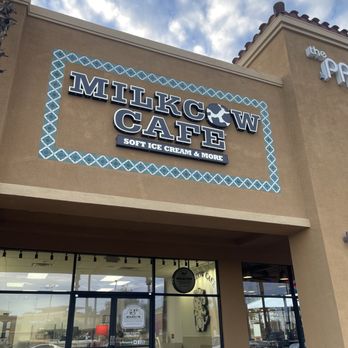

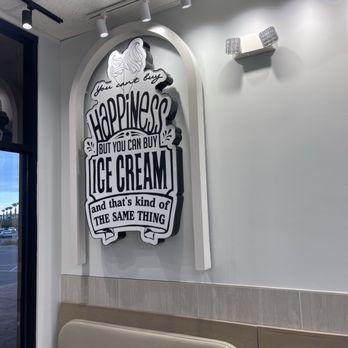


The ice cream at Milkcow was so smooth and creamy. I ordered the honey soft serve with honeycomb and it was really good. The honeycomb added a nice texture and the flavor wasn't overly sweet. When we first got there the place was completely empty, but within a short time it filled up quickly. It was a Friday evening after dinner so I guess that's the rush. They also have a lot of options on the menu. There were so many things I wanted to try that I already know I'll be coming back. Next time I definitely want to try one of the croffles. read more


2 months ago
Such a cute spot with the best soft serve ever! I love that this location has comfortable seating and more flavors than some of the others read more


Business owner information
Milkcow N.
Thank you for your review Kelley! We are so happy you and your little…

What a great find! Super clean and many tasty options. Service was amazing, very accommodating. We were taking some ice cream to go back to Henderson so they did a cool ice packing for drive back. We tried the mango and the cookies and cream. My daughter had the Hokkaido cream w boba. All amazing! read more


Business owner information
Milkcow N.
Thank you for your review Edward! We are so happy that you all…


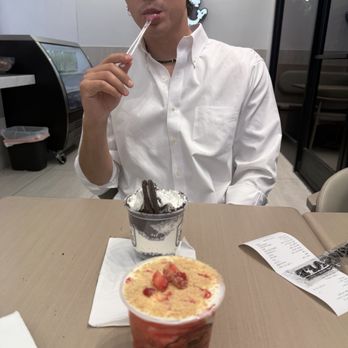
Yummm even just the plain milk is so creamy and delicious. Nothing was overly sweet. And the croffle is fantastic. I want a croffle with everything! The strawberry cheeesecake actually tasted like cheesecake. And the Oreos was light and not overwhelming. Very good! read more


21 days ago
Went about 20 minutes before closing on a Wednesday night and they were out of the croffles, which I believe would have elevated the dessert, and a primary reason I had wanted to try the place. Also out of several other items. The soft serve ice cream was creamy and good. The toppings were good. I'd go back, but hopefully they'd offer the waffles until closing. I had gotten the coconut dream and it was topped with a Girl Scout coconut chocolate cookie. read more

Business owner information
Milkcow N.
Good afternoon and thank you for your review Kaleigh! We get new…

1 year ago
I've seen different variations of this dessert before, so I was excited when it finally came to Las Vegas. I ordered the Lemon Meringue, which felt like a lemon parfait but with soft serve instead of yogurt. The flavors were bold, the toppings generous, and the presentation beautiful--it tasted just as good as it looked. The inside had seating and some board games as well. The staff were friendly and provided great service, which made the experience even better. Overall, I highly recommend this spot to anyone looking for a creative twist on soft serve desserts. read more


6 months ago
The girl behind the counter was very helpful to explain anything that I needed clarified on. It's a small place so definitely more grab and go. The ice cream itself though was really good. It's so rich and creamy and is definitely some of my favorite soft serve they have a ton of different combinations and flavors to pick from. read more


1 year ago

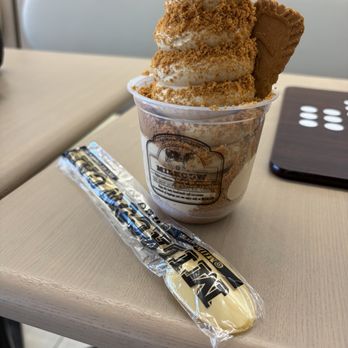
I have been dying to try this place! I love that you have options, but not too many. My friend got the biscoff with coffee ice cream cup and I got the milk and honey. both were delicious!! The store was clean and the staff were super friendly and informative. A great ice cream place! read more


3 months ago
Business owner information
Milkcow N.
Good evening Jay,…

I LOVED this ice cream. It's very creamy and feels good when you eat it. I went in just 10 minutes before they closed and they were still super kind and awesome the whole time even though I'm sure they were ready to go. I got my order to go and then ate it in the car. It was all so pleasant. I got a honey one and the person who went with me a biscoff and they were both delicious! read more




Really tasty soft serve! We got the Ube/matcha swirl with Oreo topping as well as the affogato. The portions are pretty big, so one could easily be shared between two people, especially if you came here after having a meal nearby. Love that they have so many flavor and topping options, and their premade combinations make it easier to choose. read more


1 month ago
The flavors are simple, light, creamy and delicious. We tried the ube/ vanilla swirl and the coffee/ chocolate swirl. You don't need any toppings cause the flavors are perfect! read more

Business owner information
Milkcow N.
Thank you for your review Tricia! We are so happy that you love our…

The service was great and quick! The ice cream was so good - very creamy and thick but soft! We got the biscoff and the Oreo ice creams! This is a true ice cream in my opinion! Even just getting the vanilla flavor with no toppings i bet it would be so yummy! We didn't stay inside to enjoy our ice cream but the place looked very clean and kept! read more


9 months ago
Loved Milkcow! There's so much variety to choose from, and every flavor was delicious. Everything tasted fresh and high quality, and I really enjoyed my experience overall. The service was great--super friendly and helpful. Highly recommend! read more


I have been to travoli location and it was great, just found this location right next to my LVAC on flamingo! Im in big trouble, nate & natalia are super nice! Bathrooms were clean. Lots of space to sit and enjoy but saddly this location doesn't do millitary discount either. I usually get the ube swirl but today I tried the biscoff and cream! Amazing! Everything is sooo good. A must try!!! And they are open till 10 pm!!!! read more


This soft serve is absolutely delightful, offering a wonderful array of flavors and endless mix-and-match options. The affogato is truly fantastic. Although the regular size might look small, it's actually quite generous and perfect for sharing. On my second visit, I chose the kids' size, and it was more than enough--really worth trying! The pineapple flavor especially brings to mind the beautiful beaches of Hawaii. read more


Business owner information
Milkcow N.
Thank you for your review Erian! We are so glad you enjoyed our…

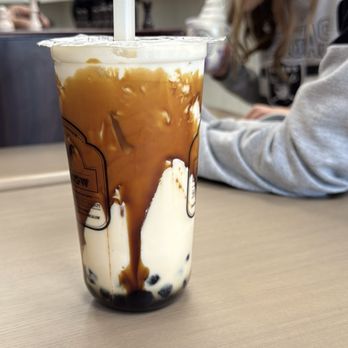
Spent a few minutes checking for a business that offered boba AND ice cream per the request of 3 of my grandchildren after school yesterday. After finding one that was apparently out of business we discovered this establishment along our journey home. The young lady who was managing the shop was kind enough to offer a sample to my three curious Georges !!! We ended up with 1 boba (brown sugar), 1 ube swirl ice cream and 1 plain ole chocolate ice cream. All 3 were moderately satisfied. The boba tea was not ice cold, kinda half way between cold and warm. The ube melted way too fast and ended up more of a mess than enjoyable and the chocolate was delish !! They have a nice chess board for the kids to venture into which is a nice touch. Not sure if I would recommend this place for children. It's more of an adult adventure. read more



10 months ago
This has probably been My new obsession there vanilla flavor is sweet and tasty and not to over powering but paired with the honey is sooo good , I'm glad this location is close to where I live at I can work out at the gym and sneak over for a sweet treat lol . The staff is nice and the place is clean and inviting read more

4 months ago
A great find! Rivals the best soft serve in Tokyo. Chocolate is delicious, YUM! We'll be back. read more

Business owner information
Milkcow N.
Thank you for your review Lynne! We are always happy to serve you and…

11 months ago
We got the Ube swirl and cookies & cream! The texture was super smooth and delicious. I'd definitely come back here to try their other flavors if I'm craving some ice cream. read more


5 months ago

9 months ago
An $8.40 ice cream (after tax), and this is all we got. We used to come here often, and the portions were always generous. But over time, the serving size has clearly been getting smaller and smaller. When I asked the staff why the portions had been reduced, I was told it was because they are now using bigger cups. That explanation makes no sense--the cup size has nothing to do with how much ice cream is actually served, just let meknow how many oz the ice cream is supposed to be. To make things worse, when I asked for a receipt, the staff didn't even know how to print one. This makes me seriously question how this business is being managed. If this is how you plan to operate--charging more, serving less, and lacking basic professionalism--then honestly, you shouldn't be surprised if customers stop coming and the business eventually shuts down. We won't be back, I am happy to spend my money supporting owners who truly care about running their business and care about customers, of course here is not the one. read more

Business owner information
Milkcow N.
Good evening Sandy, we are so sorry to hear that you were not…

10 months ago
Was recently craving for something sweet after the gym (that's why we workout, right?) and found Milkcow through Yelp. Located in the center as LVAC and across the street from Target, I found that Milkcow is a dainty little dessert place with a nice seating area and an assembly line styled ordering system. It was packed despite being late and only one person was behind the counter. She was professional and polite but she had to be a cashier and also make the desserts herself so although she didn't appear overwhelmed, I was overwhelmed for her. I ordered a Mango Croffle and Milky Cube, which is a signature soft serve with honey liquid and honeycomb. Everything tasted very good but not to the point that I'd randomly would crave for Milkcow. The soft serve was good but not to the point of being the greatest soft serve I've tasted. It was not as soft as I'm used to but it's not overly sweet. Maybe I just have to go back and try some of their other menu items, as they do have a lot! read more


Creamy, buttery soft ice cream full of various toppings. I had the Mango Tree & it was so fruity & delicious! The mango sauce just needs to be less sweet so not to overpower the ice cream. My favorite was the Biscoff, we added pistachios & loved it! The nuts tend to make the ice cream creamy & rich! read more


1 year ago
The ice cream was richer/creamer than I usually like. But...ice cream and honey, what's not to love. Service was quick and friendly. Nice that there's seating spread out on the outside if you have a pet. Will have to try all the speciality flavors. read more

Very good! Super clean inside and plenty of tables. The two staff members working on Sunday provided excellent customer service! Extremely helpful and just very friendly! I ordered the cookies and cream and it was delicious! I can't wait to come back and try all sorts of things. read more


Page 1 of 2
More info about Milkcow - Grand Flamingo
4220 S Grand Canyon Dr
Ste 7
Las Vegas, NV 89147
Directions
(725) 500-6677
Call Now
Visit Website
https://milkcownv.com
Hours
Payment methods
Food & Alcohol
Indoor Amenities
Outdoor Amenities
Other Amenities
From the Business
More Info
Health Score
Ask the Community - Milkcow - Grand Flamingo
Do they have any dairy free options?
Yes at our Grand Flamingo store we do. Thank you!