
Manpuku Photos



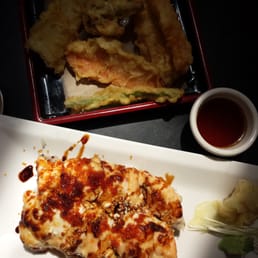
Manpuku Popular Dishes




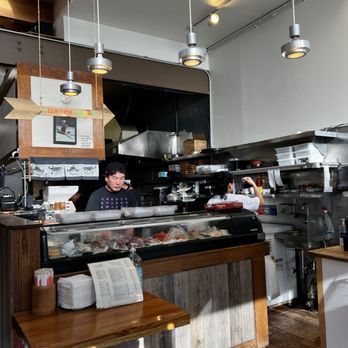
MANPUKU ATMOSPHERE

You might also consider


More like Manpuku
Recommended Reviews - Manpuku
Start your review...

Reviews With Photos


We go once a month to get our haircut on college and afterwards we go to Manpuku. This time to bought masubi, two sweet bean mochi, an unagi donburi and a white tuna donburi. I usually split the donburi because we both love unagi and white tuna(maguro). Manpuku is a wonderful place and their food is consistently delicious!
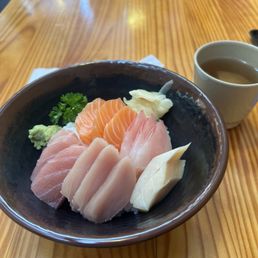

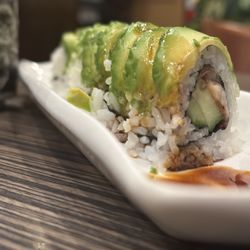
Manpuku is my favorite mom-and-pop place for grab and go items within the Berkeley area. Upon entering, there is an area for grab and go items where you can get prepared bento boxes with an assortment of rolls and nigiri, prepared rolls, and other sushi items. They also have a second prepared food areas with hot items such as musubis, teriyaki chicken bowls, and a fridge full of beverages for grab and go. If you're wanting to dine in, you can grab a menu and order with the front staff before getting a number to sit down. There is complimentary hot tea and water for you to get. Although I have been here countless times for the grab and go options, I decided to dine in a week ago. I ordered the Chirashi and a dragon roll and it was reasonable for Berkeley prices. The hostess also gave me a complimentary miso soup, which was extremely nice. The portions were reasonable for the Chirashi and the size of the roll was adequate - definitely can fit each in one bite. I would say that the quality of their fish is adequate, but it's a good spot to fulfill a sushi craving. All-in-all, I would give this place a solid 3.5 stars. Definitely not a place if you have a party over 4 people, as seating is a bit limited. I primarily enjoy the convenience and friendliness of the staff.


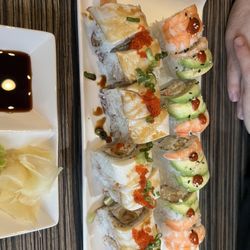
First off, as an Elmwood area resident for 8 years, I can't believe I haven't popped in here before. But I did it, and can share. 3.5 stars is very much on point. While everything is fine, nothing stood out. What bumps this review to 4 stars vs 3, is although portions aren't huge, prices are reasonable for Berkeley. I've been going to other Japanese spots with just the same, if not less quality, and paid more. I went with nigiri, rainbow roll and a bento box with teriyaki chicken and gyoza. The gyoza are a hard pass. The nigiri was solid! While they don't have a ton of exotic fish, they have the main stays of tuna and salmon and they were fresh with a nice size piece of fish. The rainbow roll was fine, although the crab salad was very mayo-y. The chicken teriyaki made with boneless chicken thighs was solid. A heaping portion of rice, a subpar salad and a small-ish serving of saucy, but tasty chicken teriyaki. Inside was cute, with a long narrow dining area with a sushi bar, and seemingly popular on a Monday night. While I don't think I'd make this a regular spot, I live nearby, it was fresher than some other spots I've had and prices were reasonable.


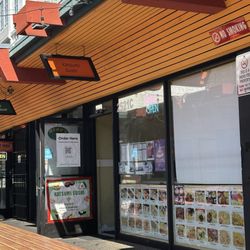
I lived in Elmwood for a while and always wanted to try this spot. For some reason, I had the impression it was takeout only--but I was totally mistaken! They do offer food to go, but there's also indoor seating. Funny enough, it took me moving out of Elmwood and getting a recommendation from a friend to finally check it out. That said, I'll gladly make a special trip to Manpuku whenever I'm craving sushi--even though there are places closer to where I live. The interior is cozy and inviting. Seating is a bit limited, but we went on a weekday and were seated right away. One thing to note: you order and pay at the counter. They have all the standard sushi options plus a great selection of specialty rolls. Prices are incredibly reasonable, especially for the area. They even offer complimentary tea, which was a nice touch! We ordered the salmon bento box--the salmon was perfectly cooked, and the salad and pickled veggies that came with it were absolutely delicious. The miso soup was rich and flavorful, and both the rolls we tried was super fresh and tasty. Service was quick, everyone was friendly, and the interior is honestly just adorable. Such a cute and charming spot for sushi- I can't recommend this place enough!


This is a very casual, reasonably priced, small restaurant for good sushi. You order at the counter and they bring it to your table. This was my first visit, but my friend's go-to inexpensive sushi place that's within walking distance of her house. I had the rainbow roll so I could taste different pieces of fish and it was good; not the very best sushi I've had, but definitely good. My companion had the "Elwood", which is the mushroom and spinach roll and she loved it. She said that's always her go-to when she comes here. She also had the unagi roll (I think) and she enjoyed that, too. I'd certainly return if I'm in the area. The friendly wait staff and complimentary tea were an added incentive to come back!


Now here's a compact spot that has never made my radar. However, I was exploring the Elmwood neighborhood since a revamped AC Transit bus line made the area a lot more accessible to me. I was able to slip into one of the tables for two along the side wall since the lunch rush was done. The menu was pretty packed, especially with sushi rolls and nigiri. I started with the $5.50 Oshitashi. It was competently assembled with spinach, sesame seeds, bonito flakes, and plenty of ponzu sauce (photo: https://yelp.to/sEWN8vocZY). I decided to get the $18.95 Chirashi, a good price for twelve pieces of fresh mixed sashimi over sushi rice (photo: https://yelp.to/hubaCJXU4v). It came with a welcome cup of hot miso soup (photo: https://yelp.to/Swc5fls3sX). A fine unexpected lunch indeed. FOOD - 4 stars...a solidly fresh chirashi to be had here AMBIANCE - 4 stars...tiny but well organized and maintained SERVICE - 4.5 stars...timely and attentive TOTAL - 4 stars...genuinely satisfying Japanese spot RELATED - Exploring Berkeley? Here's a collection of places I've visited and reviewed: https://bit.ly/2CbVh8u


This is good sushi! There wasn't a roll we ordered that I didn't like. My favorites were the aloha roll and the manpuku roll. The staff are so helpful and friendly and we got seated pretty quickly despite being a larger group. Manpuku has limited seating but offers convenient take out options.
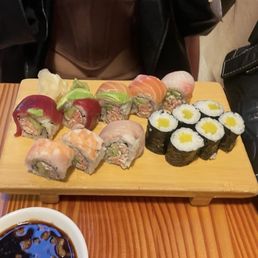
Cute spot. Think it used to bigger before they made it smaller after Covid. My friend introduced me to here since she's been going here for years. The crunchy roll is like 5-6 dollars, their pricing is good for rolls they are small and not too big like sole sushi spots. Easy to eat. I love unagi so I always get their dragon roll or Manpuku roll. One has cream cheese in it as well which is good. Always stop by when I'm in the city.


16 years ago


15 years ago

15 years ago

14 years ago

7 years ago

20 years ago


14 years ago

14 years ago


11 years ago

19 years ago

19 years ago

16 years ago

16 years ago

16 years ago

15 years ago

14 years ago

14 years ago

13 years ago

10 years ago

19 years ago

17 years ago

17 years ago

16 years ago

15 years ago

14 years ago

11 years ago

9 years ago

18 years ago

14 years ago

11 years ago


17 years ago

17 years ago

16 years ago
More info about Manpuku
2977 College Ave
Berkeley, CA 94705
Elmwood
Directions
(510) 848-2536
Call Now
Visit Website
https://manpukuorder.com
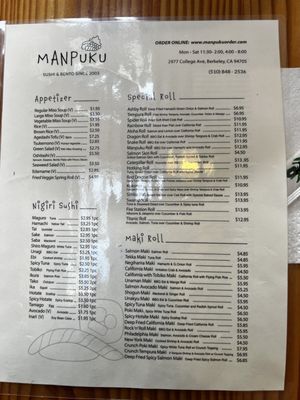
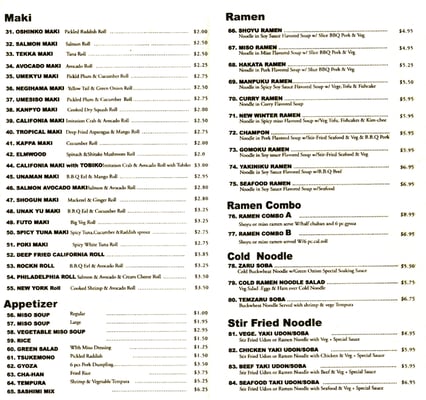
Full menu
Hours
Payment methods
Food & Alcohol
Indoor Amenities
Outdoor Amenities
Other Amenities
From the Business
Manpuku Reviews in Other Languages
Ask the Community - Manpuku
Do they still have oden?
Any gluten free friendly offerings on the menu?
Sushi is gluten free, the soy sauce may contain wheat but rice, fish, and seaweed are naturally gluten free.
You might also consider
















Why does Yelp recommend reviews?
82 reviews that are not currently recommended
The reviews below are not factored into the business's overall star rating.


18 years ago

20 years ago

8 years ago
17 years ago

20 years ago

18 years ago
19 years ago
17 years ago

14 years ago

14 years ago
16 years ago

20 years ago

15 years ago

19 years ago
17 years ago

8 months ago

3 years ago

15 years ago
17 years ago


