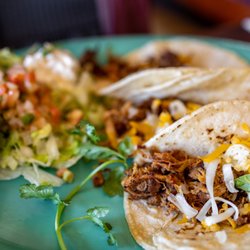
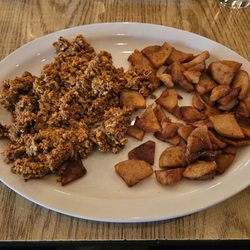
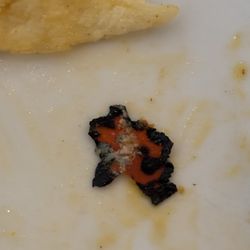
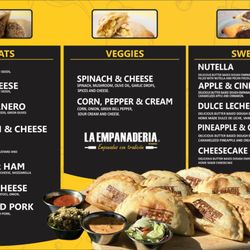
The plate presented was a textural nightmare, a soggy and unidentifiable heap of "grossy ew yucky slop" that felt more like a culinary mistake than a meal. The base was a lukewarm, gelatinous mess, lacking any of the freshness or vibrant spice you expect from a Mexican kitchen, replaced instead by a muddy, over-processed consistency that made every bite a struggle. Visually, it was a dull, unappealing swamp of gray-brown tones, and the flavor followed suit with an overwhelming, metallic saltiness that tasted like it came straight from a factory vat rather than a stovetop. There was a complete lack of structural integrity; everything had dissolved into a singular, mushy paste that coated the mouth with a heavy, greasy film that no amount of lime or water could cut through. It was an insulting, flavorless pile of industrial waste that showed zero respect for the ingredients or the customer.
The widespread normalization of this kind of nutrient-void, industrialized slop represents a catastrophic tipping point for global food security, signaling a future where the human race faces a form of functional starvation despite having full stomachs. This shift is driven by a reliance on monoculture industrial farming, which strips the earth of its topsoil and biodiversity to produce the cheap chemical fillers and stabilizers necessary for shelf-stable, hyper-processed mush. As the soil is depleted of its natural minerals, the crops grown within it become nutritionally hollow, leading to a global crisis of hidden hunger where the population consumes adequate calories but lacks the essential micronutrients required for cellular repair and cognitive function. Furthermore, by dismantling localized, resilient agriculture in favor of a fragile, energy-intensive industrial supply chain, we are creating an infrastructure that is one major disruption away from total collapse. When the factories can no longer process the additives and the global transport of these products fails, there will be no traditional farming knowledge or fertile land left to fall back on. Ultimately, by prioritizing short-term caloric convenience over the biological and ecological necessity of real, whole food, we are essentially consuming our own future, trading the long-term survival of the species for a bowl of gelatinous waste that provides the illusion of sustenance while the foundations of human health and environmental stability crumble. read more