
Kike’s Taqueria Photos



Business Info
Kike’s Taqueria Popular Dishes




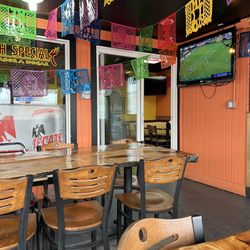
KIKE’S TAQUERIA ATMOSPHERE
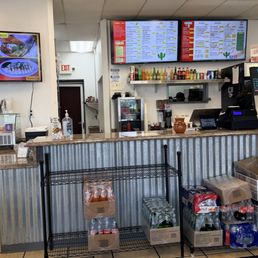
You might also consider


More like Kike’s Taqueria
Recommended Reviews - Kike’s Taqueria
Start your review...

Reviews With Photos
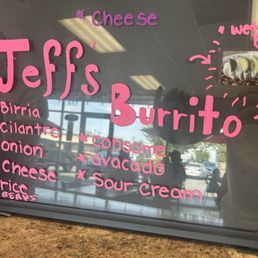

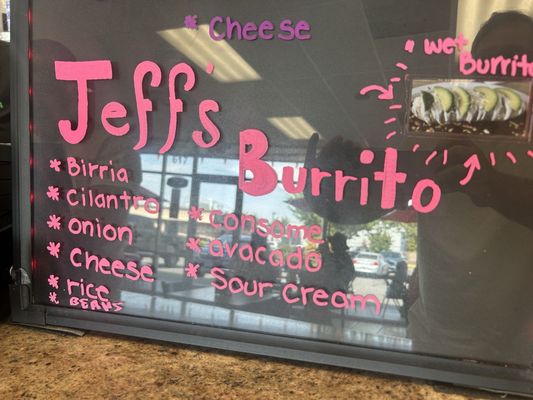
My family and I were driving back to Portland from Yosemite and wanted some sit-down Mexican food. I ordered Jeff's Burrito - a wet barria burrito. Holy mother of Jesus god.... this is the kind of burrito I'd kill for (not a person, of course) ... I'm already trying to find another excuse to visit Salem so I can come back ... really, though, I'll be back in town just to eat here. Chips and salsa were 5 star yummy. My kids loved their street tacos and said the horchata was the best ever. My wife says that she is not a quesabirria taco expert, but it's the best one she's ever had. Service was friendly and the space was clean and lively. Lastly, my son says that he liked the clean bathroom and that the soap dispenser sounded like R2-D2. This was among the best meals of my life.


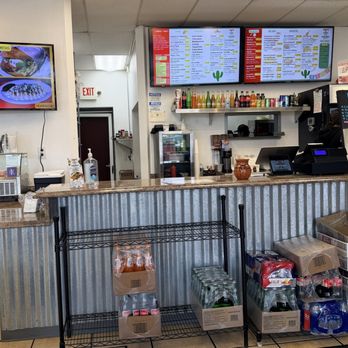
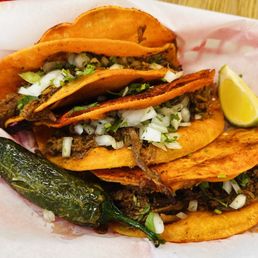
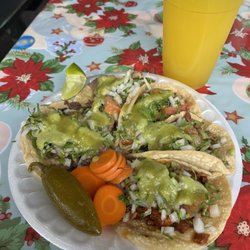
It's Kike's birria tacos for me. You gotta get that dip in the consomé too--it's so flavorful and I saved it to use for another soup base recipe. Kike's is a local joint, super low-key, honestly a great place to grab takeout as they have a few tables inside. I didn't enjoy the flies that were buzzing around, but dang I can't blame them--the food was so delicious I'd be buzzing around too. Their menu is bright and easy to read, but my gringo self needed help with explaining the difference between all these Birria type tacos: and basically get the one con queso. Why on earth would you get a dry birria taco as is?! I don't know. Their carne asada street taco is good, but the birria con queso is fuego. They offer many other food items, but ya girl was just needing that birria fix. Three is plenty. They pack their salsa rojo for you with takeout, and make your meal within ~15mins of ordering. Most people order online and pick up. The service is with smiles and very friendly too! Love it, will be back.


One of our favorite spots for Birria and street tacos! Fresh, hot, and always delicious- we have not been let down after having them about 10 times already. -'d we want to go back! Don't wait too long and be sure to get there before they close at 7pm.


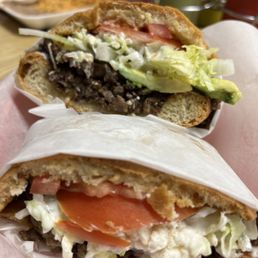
Best Birria in town. Not an issue here after multiple visits. Great staff working here. Always pleasant and willing to covert my mistakes. I have ordered wrong or not everything and they are always polite and add my changes. The carne asada Torta was great but needed beans. Everything was great as always. We come here from AZ so we can be a bit picky. Don't miss this stop.


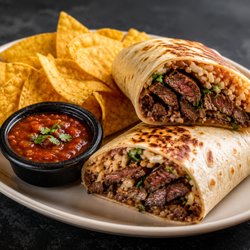
This review is only for my birria burrito I got. I must say it was pretty weak. After I ordered I noticed a special on the board and it was the same burrito plus sour cream and pico digallo. I wish the cashier would have spoke up and said something. Because it sure must of been a much better burrito than what I got. I'm a burrito lover. And this one is low on my list. Came out quick and hot so that was nice. But lacked flavor. And honestly the size wasn't what I would expect when I get a taqueria burrito. It was full of beans and rice. A little bit of meat and some onions and cilantro. Seemed dry to me. I will go back again as I know they have great tacos. I also want to try that torta ahogado. But I now know not to order a burrito there. Oh and I love the jalapeño. I believe they used to have an actual salsa bar. That would be a plus as well. Anyways go check them out. Just don't get a burrito.


5 days ago

Was in the chorizo & eggs mood for breakfast, went to my trusted source (Yelp) and it again delivered!!! Good food , good prices , and good service !! Their green salsa is amazing!!! I definitely recommend and would definitely go back when back in Salem . read more

14 days ago

2 months ago

1 year ago
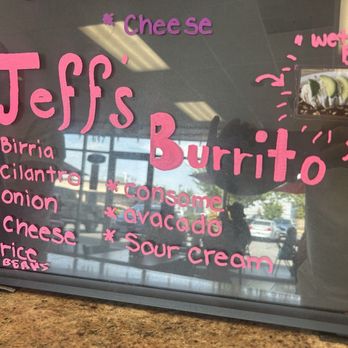
My family and I were driving back to Portland from Yosemite and wanted some sit-down Mexican food. I ordered Jeff's Burrito - a wet barria burrito. Holy mother of Jesus god.... this is the kind of burrito I'd kill for (not a person, of course) ... I'm already trying to find another excuse to visit Salem so I can come back ... really, though, I'll be back in town just to eat here. Chips and salsa were 5 star yummy. My kids loved their street tacos and said the horchata was the best ever. My wife says that she is not a quesabirria taco expert, but it's the best one she's ever had. Service was friendly and the space was clean and lively. Lastly, my son says that he liked the clean bathroom and that the soap dispenser sounded like R2-D2. This was among the best meals of my life. read more

5 months ago

6 months ago

It's Kike's birria tacos for me. You gotta get that dip in the consomé too--it's so flavorful and I saved it to use for another soup base recipe. Kike's is a local joint, super low-key, honestly a great place to grab takeout as they have a few tables inside. I didn't enjoy the flies that were buzzing around, but dang I can't blame them--the food was so delicious I'd be buzzing around too. Their menu is bright and easy to read, but my gringo self needed help with explaining the difference between all these Birria type tacos: and basically get the one con queso. Why on earth would you get a dry birria taco as is?! I don't know. Their carne asada street taco is good, but the birria con queso is fuego. They offer many other food items, but ya girl was just needing that birria fix. Three is plenty. They pack their salsa rojo for you with takeout, and make your meal within ~15mins of ordering. Most people order online and pick up. The service is with smiles and very friendly too! Love it, will be back. read more


1 year ago
Had the birria tacos and quesadilla, sooo good, definitely will be stopping by again soon! read more


1 year ago
One of our favorite spots for Birria and street tacos! Fresh, hot, and always delicious- we have not been let down after having them about 10 times already. -'d we want to go back! Don't wait too long and be sure to get there before they close at 7pm. read more


7 months ago

1 year ago

3 years ago
Best Birria in town. Not an issue here after multiple visits. Great staff working here. Always pleasant and willing to covert my mistakes. I have ordered wrong or not everything and they are always polite and add my changes. The carne asada Torta was great but needed beans. Everything was great as always. We come here from AZ so we can be a bit picky. Don't miss this stop. read more


10 months ago

1 year ago

2 years ago
This review is only for my birria burrito I got. I must say it was pretty weak. After I ordered I noticed a special on the board and it was the same burrito plus sour cream and pico digallo. I wish the cashier would have spoke up and said something. Because it sure must of been a much better burrito than what I got. I'm a burrito lover. And this one is low on my list. Came out quick and hot so that was nice. But lacked flavor. And honestly the size wasn't what I would expect when I get a taqueria burrito. It was full of beans and rice. A little bit of meat and some onions and cilantro. Seemed dry to me. I will go back again as I know they have great tacos. I also want to try that torta ahogado. But I now know not to order a burrito there. Oh and I love the jalapeño. I believe they used to have an actual salsa bar. That would be a plus as well. Anyways go check them out. Just don't get a burrito. read more

10 months ago

1 year ago

1 year ago
2 years ago

1 year ago

3 years ago
Went to Kike's to try their Quesa Birria Tacos, which had good flavor and were a pretty good size. The only problem was that the the ingredients came through the shell when I bit into it. I think that may have been because they are pre-made rather than made to order, because they came out of the kitchen about 2 minutes after I ordered them. But I was glad for the speedy service because I was running late to catch a movie. Will try Kike's again when I'm in the area. read more


4 years ago
I have garlic & onion allergy and it is super hard to find a place to grab a bite. I'm happy to report that their carne asada is garlic & onion free! I ordered it on a torta and it was delish! My partner has the birria tacos w/ consome and they were delish! (Even our dog was excited!) read more


2 years ago
2 years ago

4 years ago

3 years ago

2 years ago

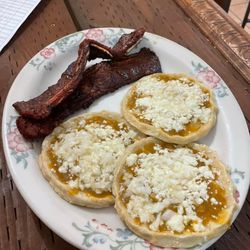
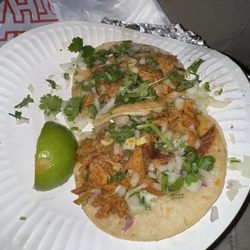
I'm probably a couple years late to the tacos de birria / birria quesatacos fad due to (1) COVID-19; (2) the fact that I live in Salem, OR; and (3) because the fad somehow didn't hit my primary social networks as prominently as it did TikTok. I am, however, glad that I nevertheless discovered it because I finally found a restaurant that I actually want to go back to in Salem, other than maybe Word of Mouth. I'm pretty sure everyone's at least heard bits and pieces of the "Legend of the Birria" since the Birria Taco phenomenon was out of proportion on certain social networking apps that I don't subscribe to, but the story is fascinating enough to mention here. The history of the Birria and the Birrieros go back to the time of the Conquistadors in Mexico. In the process of subjugating a large part of Mexico and Latin America in the name of god, gold, and imperialism, the Spaniards, much like other imperial invasion forces in the annals of history sought to assimilate the indigenous population into their own culture. As such, the Spaniards forced onto the indigenous population its language, religion, social norms, and also food. During this time, the Spaniards supposedly introduced the indigenous population to domesticated cattle, pigs, and chicken. Whereas the flesh of these animals soon became a staple to the indigenous population, goat was not quite met with the same fanfare as the others as its meat tends to be gamey compared to the others. The consumption of goat in the Jalisco region was supposedly popularized after goats indirectly caused a famine in the region. As goats breed quickly and paddocks and fencing hardly existed during that time, they became an invasive species that caused havoc on field crops and seedbeds. The word "birria" in Spanish has a connotative meaning that implies something is "disgusting, displeasing, or is of the lower class." This was how the indigenous people first described the taste and texture of goat when they first started hunting and domesticating the same for consumption. In order to un-birria-fy the gamey meat, different herbs and fragrant spices were used to season and neutralize the favor of the meat. The goat was also cooked in the earth or in kilns to help soften the tough texture of the meat. Those specially tasked with spicing and cooking the goat in kilns became known as "birrieros" (birria maker) and the Jaliscan dish of birria was born. Birria in its original form is actually a stew, traditionally prepared with goat. As people started appreciating the unique flavors and the texture that the birria making process yielded, pork, beef, and other meats became acceptable substitutes for goat. Entrepreneurs in DF and Queens, New York offered up the traditional Jaliscan dish in its now famous cheese-laiden taco form, and apparently that's how it became a culinary phenomenon. I think by now I've tried almost every item on Kike's menu and can vouch that every single one of them is amazing. I highly recommend the Tacos Dorados de Birria if you want the standard crispy fried tortilla shell with stewed meat, topped with onions and cilantro. If TikTok gave you FOMO of the birria quesatacos, get yourself some Tacos No Manches (with a side of grilled habanero.) Kike's also makes mean Tacos Tripas if you know what that is. Regardless of what you order, don't forget the consommé. And it's pronounced "kee-kayz," not the other thing you were thinking of. read more


2 years ago

4 years ago

4 years ago
Hidden gem tucked away in a strip mall. That's usually where all the good Mexican food is! Kike's has amazing food! Literally everything here is delicious! The Birria tacos and consommé are the best I've had. The women who work here are so friendly and helpful. A must stop while in Salem. read more

2 years ago

2 years ago
2 years ago

4 years ago

3 years ago
2 years ago

3 years ago
Page 1 of 3
More info about Kike’s Taqueria
617 Lancaster Dr NE
Salem, OR 97301
Directions
(971) 719-2900
Call Now
Hours
Food & Alcohol
Indoor Amenities
Outdoor Amenities
Other Amenities
From the Business
More Info
Health Score
Ask the Community - Kike’s Taqueria
You might also consider













Why does Yelp recommend reviews?
6 reviews that are not currently recommended
The reviews below are not factored into the business's overall star rating.
4 months ago

3 years ago
8 years ago
4 years ago
9 months ago
3 years ago


