
Order Katsu Sando Takeout or Delivery
Katsu Sando Photos

Business Info


KATSU SANDO ATMOSPHERE
What's the vibe?

You might also consider


More like Katsu Sando
Recommended Reviews - Katsu Sando
Start your review...

Reviews With Photos

Food is decent at most - it's clean and decently made. I've never been to a katsu place where I have to pay for any kind of sauce. A little cup of sauce for $1 is really odd. Hope they change that.
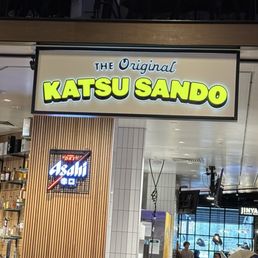

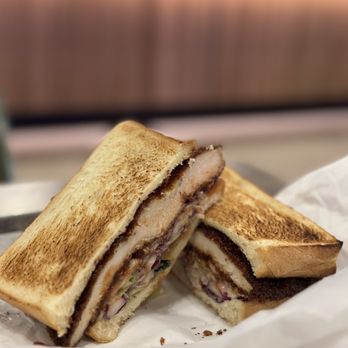
Located in the Westfield Topanga mall, they served an excellent pork katsu sando. Extremely large pork katsu that extended beyond both ends of the bread. Crunchy outside and tender inside. Somewhat sterile decor and minimal customer interaction.


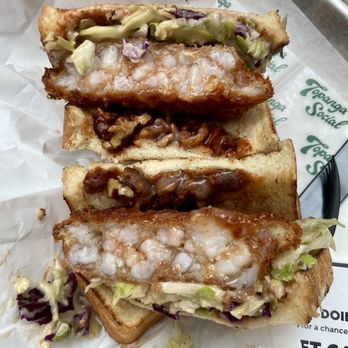
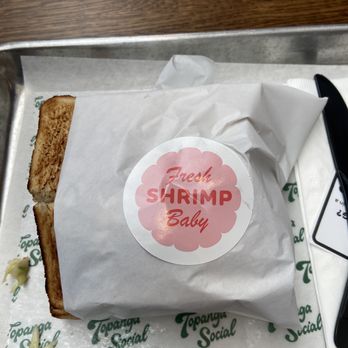
The classic katsu with shrimp, is perfectly cooked! Crunchy on the outside and tender, not chewy shrimp inside. I could have skipped the honey walnut, because I love their katsu sauce. It came with small wafu-slaw shredded cabbage with yuzu-kosher and mustard dressing. Yuzu is a type of lemon from Japan. Swift service and polite crew. It's in a food court and there's plenty of places to sit. I recommend this place.
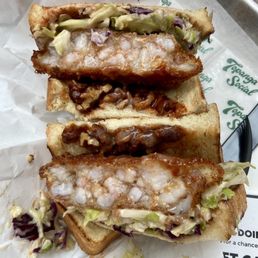

Katsu Sando is located in the Topanga Social Food Court. It's in the Westfield Topanga Mall in Canoga Park. You will find it mid food court. There's plenty of self seating options & tables. You place your order on the Kiosk or you can order ahead by phone/online on the website: @eatplaytopangasocial.com. I ordered the Honey Walnut Shrimp Sando (Sandwich). It's a Katsu Breaded Shrimp Patty w/ Honey Shrimp Sauce, Candied Walnuts, Katsu Sauce & Wafu Slaw served on Toasted Milk Bread. It was surprisingly good & still hot. Good flavors from the fried shrimp patty & the addition of the candied walnuts gave it a sweet & crunchy bite. I would order this again if I had someone in my group who'd want to try this place out. I tried a tiny piece of the Chicken Katsu, it was okay. I just remember it not being as warm or as crunchy as i expected. Maybe it got cold fast, idk. I just remember my friend didn't care for it as much... Also, it may seem a bit pricey for some... Might give them another try on a future visit. I did have a slight issue not receiving a notification or text message that my order was ready. I did go up to the counter after 15 mins to check my order status... It was ready, waiting on the counter. Grabbed my order, then got a notification while heading back to my table.


I really wanted to like this spot, but was unfortunately disappointed. I tried the pork katsu sandwich with a side of sauce. The sauce tasted bizarre almost like a bbq sauce. As for the sandwich, the chicken has the strangest rubbery chewy texture. It was quite difficult to eat. The slaw on the sandwich wasn't what I expected either. The bread wasn't too stale, but not fresh. The chicken was fried well and seasoned. Overall for the price tag, I had higher hope.
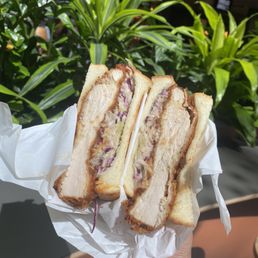

One of the many restaurants inside Topanga Social. I ordered: Chicken Katsu Sando Chicken breast, thinly shredded cabbage with yuzu-kosho dressing, katsu sauce, honey milk bread The chicken breast inside the sandwich was pretty big in size so I was able to share half with a friend. It wasn't bad but it wasn't great either so 3 star rating is where I stand. I agree with other reviewers, it's kind of bland and needed more flavor to enjoy to be able to enjoy it.


Hubby and I picked up the Pork Katsu from here for $15. Right off the bat, that is pricey. It's just the sando by itself with no sides or anything. The sando was good. The pork katsu was thick and crispy. The sauce added some extra depth to the sando. The bread was okay though. It didn't really pair well with the pork in my opinion. For some reason it was too bland. The pork katsu tasted just fine on its own.
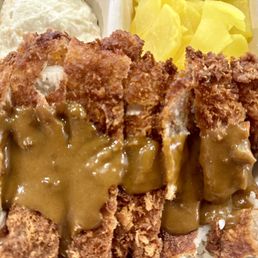

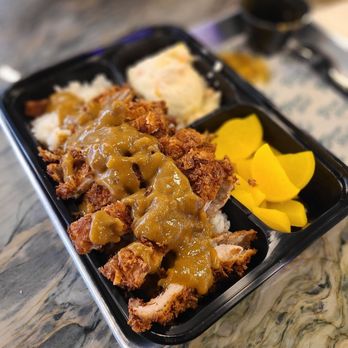
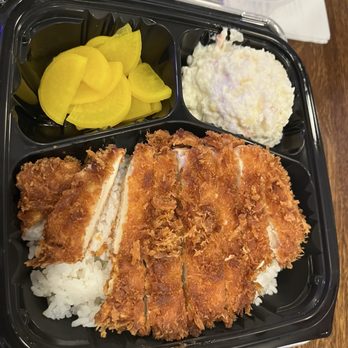
First time ate here. Was less than mediocre taste. Food came in a box. Rice, katsu, potato salad all mediocre. $16.95! Topanga Social sounds cool.. but


Was it worth almost $20? No. Sauce was decent but came in in a cup so not like your normal katsu place. Could have used something green like a side salad to compliment the heaviness.


Katsu Sando is seriously gross. There is zero flavor in the chicken or the bread. When I asked them, they said that was their intention.... and to let the sauces they have provide the flavor. I had already tried their flavorless cheese sauce and flavorless teriyaki-type sauce but she gave me some curry to try with it. You know what it tasted like? A flavorless sandwich with some mediocre curry sauce on top. Never, ever again. Not if it was the last sandwich on earth!


This place is going to get a 3 star from me because I had high expectation and it failed me. The atmosphere here is pretty cool. There's a lot of tables to sit at and lots of places to choose where to eat at. The chicken katsu sando was okay. I was expecting the chicken to be juicy crispy tender but it's not. The chicken had no flavor and the Cole slaw was just too plain and the bread was just bread. It picture looks good but it's not. I wouldn't give this place a second try if it was free. You order everything from a kiosk machine. There's actually no service unless you're ordering from the "poke me" or the bar. The kiosk machine is pretty cool because you can order from other vendors and just wait to pick it up when you receive a text and don't worry, there's multiple of these kiosk machines all around the food court.


I'm located in the heart of Topanga Social, this place serves up some Katsu sandwiches and sides. The service seem friendly and efficient. Not much interaction because you order from the POS screen at the front. I ordered a pork Katsu sandwich and the curry cheese waffle fries. The food was ready super quick. I was there around lunchtime so the place wasn't crazy. Not super busy, but still busy. The Katsu had a nice crispiness to it and overall, I enjoyed the sandwich. I was a fan of the curry fries because of the Japanese style curry flavor. mixed with cheese. Definitely a comfort food not to be eaten often lol. At least for me. Because it is located in the middle of Topanga Social, the atmosphere is pretty vibrant with lots of fellow eaters.


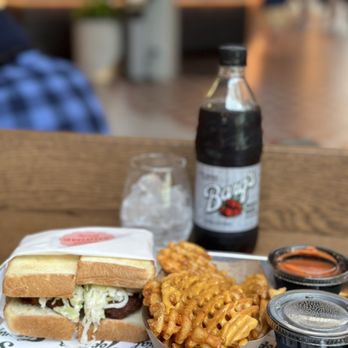
I would give this place a 5 if they had their full menu up! Unfortunately a lot of these vendors don't have their full menu yet. It sucks because you look them up on their website to browse the menu ahead of time, only to be disappointed. They have a few menu items and all sandwiches only right now. I hopped in line regardless because I wanted a small bite to eat and wanted to try their curry cheese fries. I ended up ordering the Honey Walnut Shrimp & Curry Cheese Fries and a drink of root beer. The bad thing is that they don't have cups or ice for that matter. They have bottled drinks inside a barely refrigerated cooler. Like it was already room temperature by the time I walked over to our table. Luckily the bar was able to just give me a glass of ice so that's an option. Not sure how much more time it will take for this place to fully develop but right now there isn't much to choose from for each stand. It's neat to see all the options but very limited. My bf and I really enjoyed the honey walnut shrimp Sando which we ended up splitting and it was more than enough. The worker asked if I wanted any sauce so I got one of each just to try. They have some kind of Buffalo sauce and some kind of tangy sweet sauce. Both were actually very good mixed with a bit of the curry sauce from the fries and into the sandwich, perfect bite! The shrimp was also cooked perfectly and had so much flavor. Didn't even have to wait long for my order! Maybe max 10 minutes? Really hope they have more curry items as well. Loved the curry fries and wish more places did stuff like this. I'd come back to eat here and hope they have rice plates soon! IG: @ammysalamii


Nestled in the heart of the bar scene at Topanga Social is Katsu Sando, and this review will be mostly about the food as the service is pretty much non-existent. You order on a screen and pick up your food with hardly any human interaction, except to ask where we can get a bottle opener for the bottled water. We got a chicken katsu plate and some waffle fries to split for a light lunch amongst ourselves. The katsu is pretty crunchy, but lacking in flavor. The curry is decent. The potato salad is more mayo than potato, but some people love that vibe; it wasn't for me. The waffle fries were weirdly the star of the plate - crispy, hot, not too salty, and paired well with every sauce. The ambiance of the place varies depending on the time of day. We went for lunch, so it was kind of mellow and not too busy. There was a live band playing and kids running around for a birthday party. When we came back later in the day during happy hour, the place was packed with adults drinking, the sports tv was blaring from every screen, and it was a completely different vibe. Take note depending on who you're with and what your scene is. It's in the mall so parking is abundant and free - just remember what entrance you came in from! lol read more


Mid price level. Mid food. The place is packed and is loved by locals - its like a japanesee mcdonalds where you can get generic food for not paying arm and a leg. I tried eel cucumber roll - was nothing special. The rice is bland and overall had a feeling of a grocery store sushi. Miso was not salty and bland too. House mini salad was decent. I liked beef teriyaki - the only dish I enjoyed - meat was tender and everything was tasty. Service was great and fast. Just the food is not the best. read more


9 months ago
Located in the Westfield Topanga mall, they served an excellent pork katsu sando. Extremely large pork katsu that extended beyond both ends of the bread. Crunchy outside and tender inside. Somewhat sterile decor and minimal customer interaction. read more

The classic katsu with shrimp, is perfectly cooked! Crunchy on the outside and tender, not chewy shrimp inside. I could have skipped the honey walnut, because I love their katsu sauce. It came with small wafu-slaw shredded cabbage with yuzu-kosher and mustard dressing. Yuzu is a type of lemon from Japan. Swift service and polite crew. It's in a food court and there's plenty of places to sit. I recommend this place. read more


Katsu Sando is located in the Topanga Social Food Court. It's in the Westfield Topanga Mall in Canoga Park. You will find it mid food court. There's plenty of self seating options & tables. You place your order on the Kiosk or you can order ahead by phone/online on the website: @eatplaytopangasocial.com. I ordered the Honey Walnut Shrimp Sando (Sandwich). It's a Katsu Breaded Shrimp Patty w/ Honey Shrimp Sauce, Candied Walnuts, Katsu Sauce & Wafu Slaw served on Toasted Milk Bread. It was surprisingly good & still hot. Good flavors from the fried shrimp patty & the addition of the candied walnuts gave it a sweet & crunchy bite. I would order this again if I had someone in my group who'd want to try this place out. I tried a tiny piece of the Chicken Katsu, it was okay. I just remember it not being as warm or as crunchy as i expected. Maybe it got cold fast, idk. I just remember my friend didn't care for it as much... Also, it may seem a bit pricey for some... Might give them another try on a future visit. I did have a slight issue not receiving a notification or text message that my order was ready. I did go up to the counter after 15 mins to check my order status... It was ready, waiting on the counter. Grabbed my order, then got a notification while heading back to my table. read more



I really wanted to like this spot, but was unfortunately disappointed. I tried the pork katsu sandwich with a side of sauce. The sauce tasted bizarre almost like a bbq sauce. As for the sandwich, the chicken has the strangest rubbery chewy texture. It was quite difficult to eat. The slaw on the sandwich wasn't what I expected either. The bread wasn't too stale, but not fresh. The chicken was fried well and seasoned. Overall for the price tag, I had higher hope. read more


One of the many restaurants inside Topanga Social. I ordered: Chicken Katsu Sando Chicken breast, thinly shredded cabbage with yuzu-kosho dressing, katsu sauce, honey milk bread The chicken breast inside the sandwich was pretty big in size so I was able to share half with a friend. It wasn't bad but it wasn't great either so 3 star rating is where I stand. I agree with other reviewers, it's kind of bland and needed more flavor to enjoy to be able to enjoy it. read more


Hubby and I picked up the Pork Katsu from here for $15. Right off the bat, that is pricey. It's just the sando by itself with no sides or anything. The sando was good. The pork katsu was thick and crispy. The sauce added some extra depth to the sando. The bread was okay though. It didn't really pair well with the pork in my opinion. For some reason it was too bland. The pork katsu tasted just fine on its own. read more


1 year ago

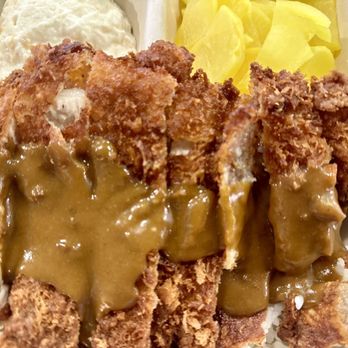

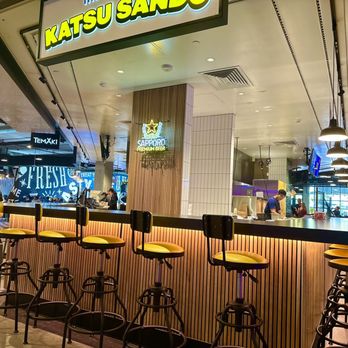


2 years ago
Was it worth almost $20? No. Sauce was decent but came in in a cup so not like your normal katsu place. Could have used something green like a side salad to compliment the heaviness. read more


Katsu Sando is seriously gross. There is zero flavor in the chicken or the bread. When I asked them, they said that was their intention.... and to let the sauces they have provide the flavor. I had already tried their flavorless cheese sauce and flavorless teriyaki-type sauce but she gave me some curry to try with it. You know what it tasted like? A flavorless sandwich with some mediocre curry sauce on top. Never, ever again. Not if it was the last sandwich on earth! read more


This place is going to get a 3 star from me because I had high expectation and it failed me. The atmosphere here is pretty cool. There's a lot of tables to sit at and lots of places to choose where to eat at. The chicken katsu sando was okay. I was expecting the chicken to be juicy crispy tender but it's not. The chicken had no flavor and the Cole slaw was just too plain and the bread was just bread. It picture looks good but it's not. I wouldn't give this place a second try if it was free. You order everything from a kiosk machine. There's actually no service unless you're ordering from the "poke me" or the bar. The kiosk machine is pretty cool because you can order from other vendors and just wait to pick it up when you receive a text and don't worry, there's multiple of these kiosk machines all around the food court. read more


I'm located in the heart of Topanga Social, this place serves up some Katsu sandwiches and sides. The service seem friendly and efficient. Not much interaction because you order from the POS screen at the front. I ordered a pork Katsu sandwich and the curry cheese waffle fries. The food was ready super quick. I was there around lunchtime so the place wasn't crazy. Not super busy, but still busy. The Katsu had a nice crispiness to it and overall, I enjoyed the sandwich. I was a fan of the curry fries because of the Japanese style curry flavor. mixed with cheese. Definitely a comfort food not to be eaten often lol. At least for me. Because it is located in the middle of Topanga Social, the atmosphere is pretty vibrant with lots of fellow eaters. read more


I would give this place a 5 if they had their full menu up! Unfortunately a lot of these vendors don't have their full menu yet. It sucks because you look them up on their website to browse the menu ahead of time, only to be disappointed. They have a few menu items and all sandwiches only right now. I hopped in line regardless because I wanted a small bite to eat and wanted to try their curry cheese fries. I ended up ordering the Honey Walnut Shrimp & Curry Cheese Fries and a drink of root beer. The bad thing is that they don't have cups or ice for that matter. They have bottled drinks inside a barely refrigerated cooler. Like it was already room temperature by the time I walked over to our table. Luckily the bar was able to just give me a glass of ice so that's an option. Not sure how much more time it will take for this place to fully develop but right now there isn't much to choose from for each stand. It's neat to see all the options but very limited. My bf and I really enjoyed the honey walnut shrimp Sando which we ended up splitting and it was more than enough. The worker asked if I wanted any sauce so I got one of each just to try. They have some kind of Buffalo sauce and some kind of tangy sweet sauce. Both were actually very good mixed with a bit of the curry sauce from the fries and into the sandwich, perfect bite! The shrimp was also cooked perfectly and had so much flavor. Didn't even have to wait long for my order! Maybe max 10 minutes? Really hope they have more curry items as well. Loved the curry fries and wish more places did stuff like this. I'd come back to eat here and hope they have rice plates soon! IG: @ammysalamii read more


My favorite food stall in Topanga Social. The Chicken Katsu Sando is everything a sandwich should be - thick soft milk bread, lightly breaded chicken cutlet, creamy and delicious coleslaw. So large it is really two lunches. You can order from any touchscreen in Topanga Social, so if there is a line here, look for another open screen. Some reviews said orders take a long time to fill at Topanga Social but Katsu Sando has their act together. It does not take long - for a freshly made masterpiece - and they text you when it is ready. read more


Out of all the things I wanted to try at Topanga Social, this was one of the places at the top of the list. When we went the day after opening at around ~2pm, there was a decent line of 5-7 parties ahead of us, but the line went pretty fast. Ordered a Chicken Katsu Sando $13.95, Honey Walnut Shrimp Sando $14.95, and Curry Cheese Fries $9.50 (which is kinda outrageous for like 7 full sized fries lol). The toast and the breading on the meat was light and tasty, and texture-wise I was satisfied! However, the flavor on the Chicken Katsu was lacking, and both sandwiches could definitely use more slaw/vegetables to cut the taste of meat. Of the two, I liked the honey walnut shrimp more because of the sweet/savory flavor and tasty shrimp patty. The curry on the fries were aight but definitely not worth it lol for just sauce and fries. I definitely felt food coma-y towards the end of a sandwich - I'm glad to have had half of each for a flavor change-up. I'm glad to have tried it, but won't be for awhile until I come back, if at all. read more


I wanted to like this place more... I love katsu and I love sandwiches, but never had them together. I ordered the Pork katsu sando. It was a generous portion, but it wasn't that flavorful and unfortunately a bit dry. It was ready very fast though. Might try the honey walnut shrimp or katsu curry plate next time. The mushroom one sounds interesting as well. I'm willing to give it another chance. read more


3 years ago
WOW! what a ripoff I was craving katsu curry so went here after about an hour trying to park (not this place's fault but comeon westfield, do better!) i went to this place, could not order from a human but only on an ipad. waited on my plate and then this junk showed up. I commented on the tiny plastic cup of curry sauce but the girl told me she could bot do anything and this is how they make it. Avoid this place at all cost! read more


2 years ago
Not gonna lie. I'd been disappointed by most of the supposed viral, foodie spots at Topanga Social. Katsu Sando has been an exception. I go-to there is the Katsu Curry plate with honey walnut shrimp. That curry on top of that breaded shrimp is crack. read more


1 year ago

Super delicious! Love this place. We had the Katsu curry plate and shrimp walnut curry plate. It was super delicious . Unique umami taste. Love the pickled radish and potato salad that came with the dish. What a great discovery. Will definitely be back. read more


Pretty decent Katsu and the location is great inside the Topanga Social Food Hall. The meal was pretty filling and the Katsu was made freshly and quickly. They also give you Coleslaw on the side and radishes. You can order on the tablets and they will send you a text when your food is ready to pick. There's also a ton of seating which is great! read more


3 years ago

3 years ago
The pork was super tender and juicy while still being crisp and fried to perfection on the outside. The honey walnut shrimp sandwich is unlike anything I've ever had and it's Awesome! The sandwiches are big and very filling. I suggest you go with a friend and get one pork and one shrimp and then swap halves. My sister and I loved it! read more
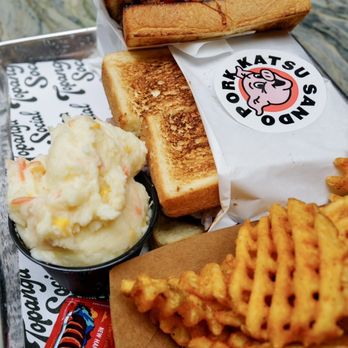


3 years ago
Went to Topanga Social to try out the food court. Ordered the Chicken Katsu plate with curry thinking it would be less dry than the pork. On a bright note, I enjoyed the sides of potato salad and the pickled radishes. Portions were good. Unfortunately, though the chicken Katsu was crisp, it was rather dry and flavorless. A small container of curry was provided, and wasn't enough to provide flavor or moisture to the Katsu and rice. I love a good Katsu and curry dish but unfortunately this miss the mark. read more
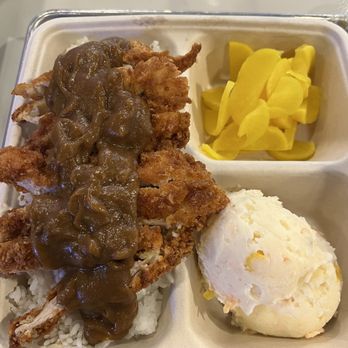

First time at Topanga Social and Katsu Sando. 4 stars for the super light as air chicken katsu tender , juicy and the service was amazingly fast no kidding had food in less than 10 minutes. I didn't care for the sides and the rice way too sticky to eat with a fork . it would have been better served with chopsticks. read more


We were excited to try the honey walnut shrimp but unfortunately it was disappointing. The honey walnut shrimp flavor was over powered by a tangy barbecue sauce that we weren't expecting. And unfortunately, the ordering system won't let you customize because I would skip the sauce. read more

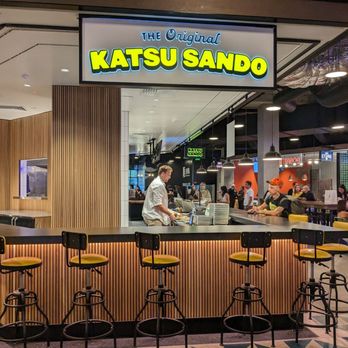

3 years ago
I was so excited to try this spot when it opened at Topanga Social. Sadly, I was met with disappointment. I tried the chicken katsu sando and waffle fries but they were both very bland. The chicken didn't taste like it was seasoned at all and the fries weren't great either. Willing to give something else on the menu a try but it might be a while until I give this place a second shot read more


Not a bad spot -- the portions were a bit slim in my opinion and the katsu curry was literally in a container they use for condiments (see my picture). That kinda threw me off a bit because the pictures made it seem like it would be on top of the rice similar to what you'd find in other tonkatsu spots. Otherwise it tasted good! I just think it wasn't what I was expecting. Definitely give it a try as I'm just one persons experience. read more
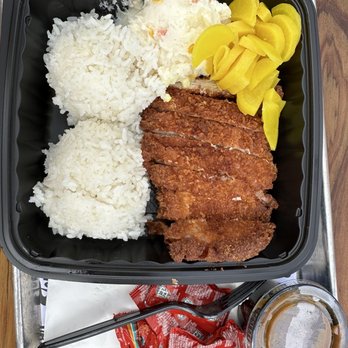

1 year ago

Ordering was easy through the tablet around Topanga Social and food was ready in a decent amount of time. The portion was decent sized for the $16 price tag. It was enough for my 7 and 9 year old to share. Pick up was easy and there was a designated spot for it. Service was good when I asked for an extra bowl to split the food. I would be interested in trying the katsu with curry next time. read more


Page 1 of 3
More info about Katsu Sando
Ask the Community - Katsu Sando
You might also consider















Why does Yelp recommend reviews?
13 reviews that are not currently recommended
The reviews below are not factored into the business's overall star rating.

3 years ago

3 years ago

3 years ago

3 years ago

3 years ago

3 years ago

3 years ago

3 years ago

3 years ago

3 years ago

3 years ago
3 years ago

3 years ago
Katsu Sando - japanese - Updated October 2026
Best of Canoga Park
People found Katsu Sando by searching for…
Restaurants in Canoga Park, CA
Chicken Katsu in Canoga Park, CA
Katsu Curry in Canoga Park, CA
Katsu Sandwich in Canoga Park, CA
Chicken Teriyaki in Canoga Park, CA
Sando Sandwiches in Canoga Park, CA
Fried Chicken in Canoga Park, CA
All You Can Eat Sushi in Canoga Park, CA
Hot and New Restaurants in Canoga Park, CA
Honey Walnut Shrimp in Canoga Park, CA
Browse Nearby
BEST of Canoga Park, California Restaurants near Katsu Sando
BEST of Canoga Park, California Parking near Katsu Sando
BEST of Canoga Park, California Sushi near Katsu Sando
BEST of Canoga Park, California Coffee near Katsu Sando
BEST of Canoga Park, California Desserts near Katsu Sando
BEST of Canoga Park, California Things to Do near Katsu Sando
BEST of Canoga Park, California Ramen near Katsu Sando
BEST of Canoga Park, California Shopping near Katsu Sando


