
Drew Photos


You might also consider

More like Drew
Recommended Reviews - Drew
Start your review...


3 years ago
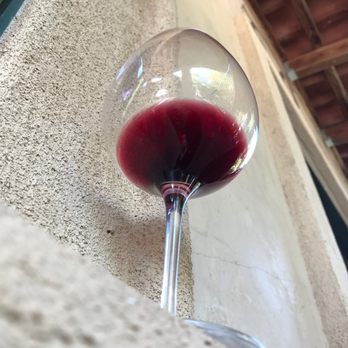
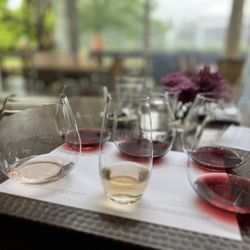
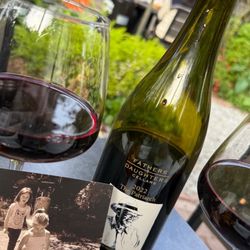
Family-run winery that invites you into their home for private, by-appointment tastings! I was recommended this winery by a friend and scheduled an appointment by emailing the owners directly. Molly's response was prompt and I had my tasting appointment scheduled within the hour! *Note: they only accept appointments on Fridays and Saturdays* Upon arrival, you pass through the property's outer gate and are instantly welcomed by the fuzziest welcome comity, the family's golden retriever Brit! Just continue driving slowly towards the tasting room - the pup knows to stay clear of your vehicle. The tasting is $30/person, waived for every 3 bottles purchased, and includes 4 wines. Their tasting boasts wines from a selection of vineyards across Mendocino Ridge, and the four I sampled on this particular visit included: 2021 Valenti Ranch Viognier 2022 Valenti Ranch Pinot Noir 2021 Faite De Mer Farm Field Selections Pinot Noir 2021 Perli Vineyard Syrah They utilize native yeast fermentation, a traditional method that allows the grapes to express a sense of terrior and spontaneity! I enjoy exploring cold-climate syrahs, and purchased a bottle of their Perli Vineyard Syrah to share with a friend. We drank half the bottle that first night, enjoying the deep rich purple fruits and soft minerality of the cool climate syrah. Unfortunately, this wine is meant to be imbibed immediately! By the second day, the wine had already oxidized and we did not finish the bottle. Still a fun experience and nice wines, just be sure you will finish the bottle before opening! read more


Business owner information

molly d.
Dear Jillian, Thanks for taking the time to make an appointment with…

6 years ago
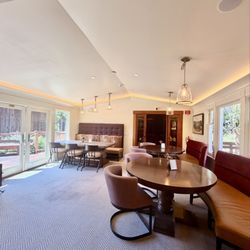
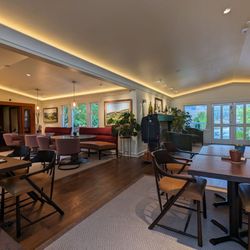
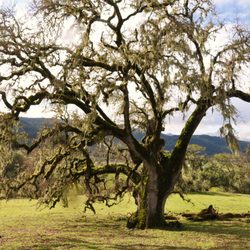
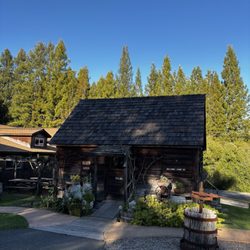
Focus. Commitment. Dedication. Grit. These are words we often associate with competitive athletics or high stakes business, not the elegant and refined world of fine wine. Maybe we still recall these words being thrown in our faces by angry parents or exasperated teachers who instructed us to invest our time wisely in something of lasting value rather than fritter it away on short-term, sometimes even self-destructive, thrills. When many of us set off on wine tasting adventures, we don't want to be reminded of how much hard work went into the contents of each glass, or to be told a true but humbling story of how it took decades of work digging, grafting, pruning, and pressing before the secrets of the vine begin to unveil themselves and the critics finally began to take notice. Why not surround oneself with light-hearted romance instead? Why not fantasize, as Robert Mondavi and his second wife, Margrit, once encouraged wine drinkers to do, about the pleasures of the Good Life in pleasure-soaked places like Napa? Well, for one, as the folks here at Drew might tell you if you asked them directly about it, all of those things are exaggerations and outright lies, even if some of them might be well intentioned. Wine making is artful, to be sure, but it's not art. It's work, and lots of it. This doesn't make the contents of the glass any less pleasurable and worthwhile. In fact, the wine takes on more meaning and seems more expressive if you sense how much inspired effort went into its production, without actually having to do all that hard work yourself. Drew wines are like that. They are crafted primarily from higher elevation vineyards above Anderson Valley with complex, uplifted seabed soils and cooling ocean breezes. They are grown from cuttings selected from high-quality heritage vineyards in California, from so-called suitcase clones smuggled in from Europe, or from clones rigorously selected and certified by viticultural experts at UC-Davis. The vineyards are tended in ways that minimize their impact on the environment using organic and no-till methods, and the wines are made using a similar set of hands-on but non-invasive techniques that are designed to showcase the quality of harvested fruit and unique mineral content of the soils in which they were cultivated. The resulting wines are not cult collectibles that command mind-bindingly high prices that only the elite can afford. Instead, they are priced accessibly given the production and labor costs involved and open to all who arrange ahead of time for $15 tastings at Drew's modest but attractively styled space in the Madrones resort, restaurant, and shopping complex between the small Anderson Valley towns of Boonville and Philo. Drew is a tiny independent operation that relies on club memberships, restaurant sales, and word-of-mouth recommendations to stay viable. In a wine world largely controlled by well capitalized conglomerates like Constellation, Gallo, Jackson Family Wines, and LVMH (Moët Hennessy Louis Vuitton), on the one hand, or by wealthy vineyard and winery owners, on the other, it is important to remember that the majority of wine industry professionals, like those who run Drew, have dedicated years of their lives to improving wine quality and catering to the needs of a diversifying wine enthusiast public. They don't set out to shape the wine buying habits of the masses or try to place their limited annual production of wines at Costco or Trader Joe's in the sub-$20 price range. Their goals are different and far more ambitious. When you taste a Drew Chardonnay, Pinot, Syrah, or Rhone varietal blend, they don't assault your senses or flaunt their abundant attributes, but they aren't lean, austere, or stingy wines, either. They have multiple facets to their highly individualized personalities. They are models of poise, precision, balance, structure, and restraint. And they taste, smell, and feel the way that site-specific grape varietals are supposed to do if tended properly while they grow in the ground, are harvested from the vine, and then left to ferment and age in the cellar until they are ready for release. Like all good and lasting relationships, Drew wines likely will take time to get to know well. But if they make a connection with you, as a wine drinker, it will also be immediate, intense, and obvious, like love at first sight. You will never know if you don't visit. Will you take that risk? My advice? Roll those dice. Fork over the $15. It may change the way you think about wine. If not, there is always Long Meadow Ranch's tasting room right next door with a Napa Valley wine or two with which to comfort you. read more



6 years ago

6 years ago

5 years ago

13 years ago
All the wines had great structure and balance, but would likely be too acidic or mineral tasting for the ready-to-drink crowd. Admittedly, these wines need time in the bottle to arrive at the balance that Pinot Noirs are capable of achieving. We didn't buy because we already have located our sources in CA for "investment" Pinot Noir wines and Drew Family did not move the needle far enough to meet their price point, in our opinion. The classy lady who hosted the pouring was very well versed in the product and its origins. She was a delight and very engaging. Cooper, her dog, was good boy and loved a scratch. read more


7 years ago


7 years ago


10 years ago


10 years ago

15 years ago

14 years ago
Business owner information
molly d.
The Rose is made in a more European style, completely dry with some…

16 years ago

15 years ago

10 years ago

16 years ago

16 years ago
8 years ago
15 years ago
16 years ago
14 years ago
11 years ago
More info about Drew
31351 Philo Greenwood Rd
Elk, CA 95432
Directions
(707) 877-1771
Call Now
Hours
Payment methods
Food & Alcohol
Services
Indoor Amenities
Outdoor Amenities
Other Amenities
From the Business
Ask the Community - Drew
Review Highlights - Drew











Why does Yelp recommend reviews?
4 reviews that are not currently recommended
The reviews below are not factored into the business's overall star rating.

15 years ago

16 years ago
16 years ago


