
Order CoRo Coffee Room Takeout or Delivery
CoRo Coffee Room Photos


CoRo Coffee Room Popular Drinks



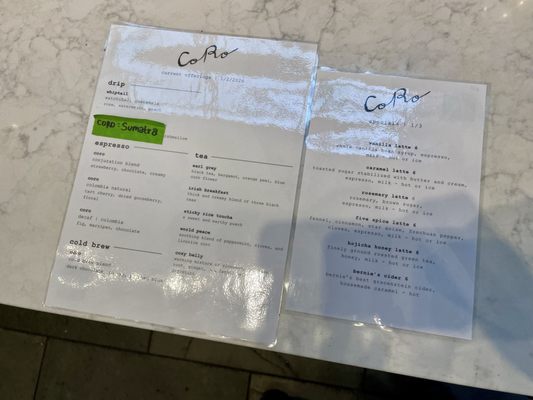

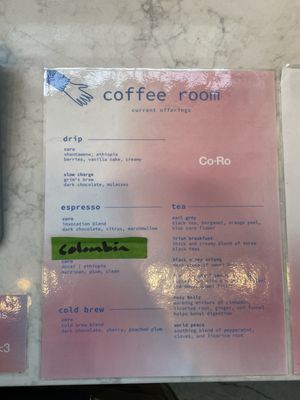

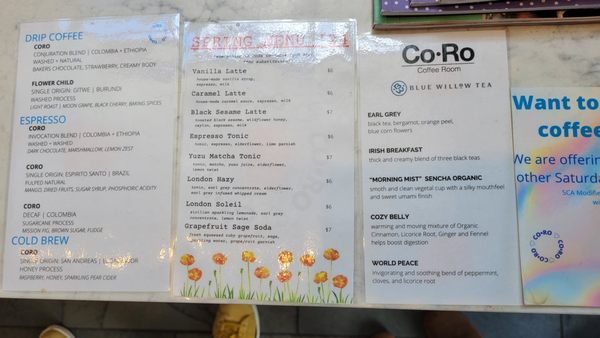


CORO COFFEE ROOM ATMOSPHERE


You might also consider


More like CoRo Coffee Room
Recommended Reviews - CoRo Coffee Room
Start your review...

Reviews With Photos


While exploring Berkeley in search of a great cup of coffee, we stopped by Coro Coffee Room. We ordered the Mocha and a Caramel Latte with a Coro Espresso Shot, and both were absolutely worth trying. The drinks were smooth, rich, and beautifully crafted, you can really taste the care that goes into every cup. The ambiance is warm, cozy, and inviting, making it a perfect spot to relax and enjoy quality coffee. Definitely a place we'd love to visit again!


My CoRo Coffee Room rose latte with maybeck blend (dark chocolate, citrus, marshmallow) was off the chart good. Worth way more than the $6.75 I paid. The nice barista explained that the coffee menu changes frequently. The single origin coffees cost $1 more. She said it gets really busy, but I got there at just the right time to order without waiting in line. Free Wi-Fi with seating inside and out. The plentiful availability allowed me to find a seat on the sidewalk that allowed me to catch a few rays with my latte on a sunny day. Such goodness. Lots of folks there working on their laptops inside. A mom happily nursing and some folks lost in conversation outside. There my soul received the sweet caress of a perfectly balanced rose latte. Great coffee and good vibes in West Berkeley.


A favorite in Berkeley! I've since moved away, but each time I visit the area, I make a stop here. The coffee drinks are fantastic. The inside is cozy. A little challenging to find seats, but I've always been able to grab a table outside. Not the place for big groups or if you want a quick drink. Come here for a nice cup of coffee and to slow down for a little bit. P.S. drip coffee has free refills
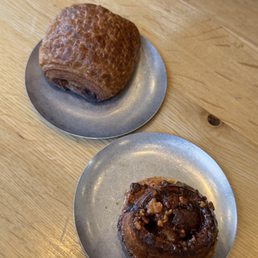

Good coffee but a bit of a wait on weekends! Pastries are pretty good but they don't warm them up for you. Really pretty space with lots of natural lighting and good indoor and outdoor seating.


This place is incredibly dog friendly! Great seating outdoors to enjoy the weather and street parking is available. My family and I tried a variety of different drinks. I had the house made masala chai and it was perfectly sweetened and perfectly spicy. Highly recommended! Customer service was great!


What a fantastic coffee stop! Me and my good friend stopped by to have a coffee and I ended up pairing my small latte with a twice baked almond croissant as a sweet treat! Sooo delicious! The staff served us outside and everything was so lovely! I would definitely return next time i'm in Berkeley!


Great spot to study at! Came here to get some work done and there was ample seating indoors. Not overly loud. The free wifi was pretty fast and I didn't have issues. There were outlets under some tables as well. It does get kind of cold bc when we went they were blasting the AC so maybe bring a jacket! For drinks we ordered an iced latte and a yuzu matcha tonic. The latte was great--they roast their coffee beans in house I think. The yuzu matcha tonic was refreshing, though I did feel like it was just a little too bitter for me. Not sure if I'd get it again. For food we ordered the sticky bun and raspberry vegan muffin. The sticky bun was really good and the raspberry vegan muffin was even better!


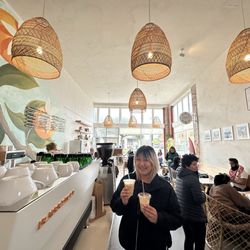
I came by on a weekday at 3PM, right before closing--really wish I knew about this place before! I ordered one of specials from their spring menu, the caramel latte! This was delicious--I normally like my coffees a little stronger with less sweetness and this was a great ratio for my taste buds. The interior is stunning--the natural lighting in the space makes the cafe feel roomy, and the windows make it feel more spacious. Definitely a great place to work from if you like natural lighting!


This is a GREAT study cafe. I tried their HOUSE CHAI that was very enjoyable, spicy. I love the friendly atmosphere. I'd love to come back and grab a latte from them. The lattes people were walking out with in the street as I was entering the cafe smelled AMAZING! What a great local business. Thanks for existing!


4.5/5 - Sunday, December 15th, 2024 Overview: Cool café, large seating area, busy! ---- First off, I love love LOVE that the pastries have prices written next to the item!! This is the one thing that I look for at every café and this is one of the only places that post them. Parking was easy, we found a spot right near the front of the café. We arrived a little before 11am on a Sunday and it was quite busy. While the inside seating area is sizable, all of the seats were already taken by people working or studying, so if you want a seat inside away from the elements, I recommend getting there earlier. The outside seating area had multiple tables, mostly 2-seaters but some with 4 seats, and metal chairs. The metal chairs make your butt a bit cold especially it being wintertime and outside. Service was quick and easy, the staff prefer using They/Them pronouns. The food and drinks arrived 6 minutes after ordering! They also have free water near the front of their entrance inside. They have a regular drink menu as well as seasonal specials! And they offer both sweet and savory pastries. There's also a coffee roastery in the back where you can roast your own beans, you can fill out a form on their website to inquire about it. ---- Pastries & Drinks Spiced Blueberry Danish ($6) and Chocolate Croissant ($6): - They warm up the pastries, but both of the items could have been a little warmer - The filling of the blueberry danish was a little cold in the middle - Flavors were good and you can taste the warm holiday spices - Both pastries were flaky Peppermint Mocha $7: - Available hot or iced, we tried both - Hot tasted a lot better 9/10, my friend got his iced and ranked it a 7/10 - The peppermint flavor was more pronounced in the hot version - Iced version was like a good, cold chocolate milk - Since we were sitting outside in the cold, the hot one was a lot more comforting Espresso Single-Origin $4.50: - My boyfriend ranked it an 8/10 - He said it was a solid espresso, liked that it comes with sparkling water - Wished that they had the flavor notes to read with the drink, describing where the coffee was from and the tastes it should have Drip Coffee $4: - My friend that introduced us to here wanted a pour over coffee, but at this time it was not available anymore, so he opted for a drip coffee - He ranked it a 7/10 - Said it was an average, standard coffee, nothing special or standout about it ---- Overall: Neat coffee shop, I LOVE that their pastries have written prices, food and drinks were solid, and cute seasonal rotation of drinks on the menu


5 months ago
Service and baristas on bar were Good coffee selection and always bringing in fresh flavors. read more


3 months ago

4 months ago
While exploring Berkeley in search of a great cup of coffee, we stopped by Coro Coffee Room. We ordered the Mocha and a Caramel Latte with a Coro Espresso Shot, and both were absolutely worth trying. The drinks were smooth, rich, and beautifully crafted, you can really taste the care that goes into every cup. The ambiance is warm, cozy, and inviting, making it a perfect spot to relax and enjoy quality coffee. Definitely a place we'd love to visit again! read more


My CoRo Coffee Room rose latte with maybeck blend (dark chocolate, citrus, marshmallow) was off the chart good. Worth way more than the $6.75 I paid. The nice barista explained that the coffee menu changes frequently. The single origin coffees cost $1 more. She said it gets really busy, but I got there at just the right time to order without waiting in line. Free Wi-Fi with seating inside and out. The plentiful availability allowed me to find a seat on the sidewalk that allowed me to catch a few rays with my latte on a sunny day. Such goodness. Lots of folks there working on their laptops inside. A mom happily nursing and some folks lost in conversation outside. There my soul received the sweet caress of a perfectly balanced rose latte. Great coffee and good vibes in West Berkeley. read more


1 year ago
A favorite in Berkeley! I've since moved away, but each time I visit the area, I make a stop here. The coffee drinks are fantastic. The inside is cozy. A little challenging to find seats, but I've always been able to grab a table outside. Not the place for big groups or if you want a quick drink. Come here for a nice cup of coffee and to slow down for a little bit. P.S. drip coffee has free refills read more


2 months ago
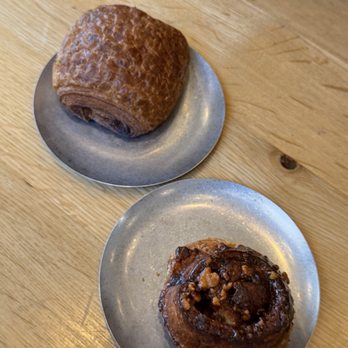
Good coffee but a bit of a wait on weekends! Pastries are pretty good but they don't warm them up for you. Really pretty space with lots of natural lighting and good indoor and outdoor seating. read more


6 months ago

1 month ago

This place is incredibly dog friendly! Great seating outdoors to enjoy the weather and street parking is available. My family and I tried a variety of different drinks. I had the house made masala chai and it was perfectly sweetened and perfectly spicy. Highly recommended! Customer service was great! read more


9 months ago
What a fantastic coffee stop! Me and my good friend stopped by to have a coffee and I ended up pairing my small latte with a twice baked almond croissant as a sweet treat! Sooo delicious! The staff served us outside and everything was so lovely! I would definitely return next time i'm in Berkeley! read more


8 months ago

4 months ago

Great spot to study at! Came here to get some work done and there was ample seating indoors. Not overly loud. The free wifi was pretty fast and I didn't have issues. There were outlets under some tables as well. It does get kind of cold bc when we went they were blasting the AC so maybe bring a jacket! For drinks we ordered an iced latte and a yuzu matcha tonic. The latte was great--they roast their coffee beans in house I think. The yuzu matcha tonic was refreshing, though I did feel like it was just a little too bitter for me. Not sure if I'd get it again. For food we ordered the sticky bun and raspberry vegan muffin. The sticky bun was really good and the raspberry vegan muffin was even better! read more


I came by on a weekday at 3PM, right before closing--really wish I knew about this place before! I ordered one of specials from their spring menu, the caramel latte! This was delicious--I normally like my coffees a little stronger with less sweetness and this was a great ratio for my taste buds. The interior is stunning--the natural lighting in the space makes the cafe feel roomy, and the windows make it feel more spacious. Definitely a great place to work from if you like natural lighting! read more


This is a GREAT study cafe. I tried their HOUSE CHAI that was very enjoyable, spicy. I love the friendly atmosphere. I'd love to come back and grab a latte from them. The lattes people were walking out with in the street as I was entering the cafe smelled AMAZING! What a great local business. Thanks for existing! read more


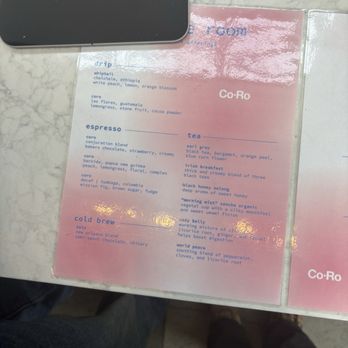
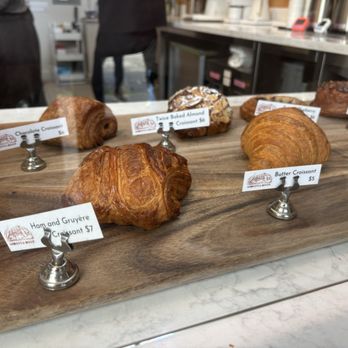
4.5/5 - Sunday, December 15th, 2024 Overview: Cool café, large seating area, busy! ---- First off, I love love LOVE that the pastries have prices written next to the item!! This is the one thing that I look for at every café and this is one of the only places that post them. Parking was easy, we found a spot right near the front of the café. We arrived a little before 11am on a Sunday and it was quite busy. While the inside seating area is sizable, all of the seats were already taken by people working or studying, so if you want a seat inside away from the elements, I recommend getting there earlier. The outside seating area had multiple tables, mostly 2-seaters but some with 4 seats, and metal chairs. The metal chairs make your butt a bit cold especially it being wintertime and outside. Service was quick and easy, the staff prefer using They/Them pronouns. The food and drinks arrived 6 minutes after ordering! They also have free water near the front of their entrance inside. They have a regular drink menu as well as seasonal specials! And they offer both sweet and savory pastries. There's also a coffee roastery in the back where you can roast your own beans, you can fill out a form on their website to inquire about it. ---- Pastries & Drinks Spiced Blueberry Danish ($6) and Chocolate Croissant ($6): - They warm up the pastries, but both of the items could have been a little warmer - The filling of the blueberry danish was a little cold in the middle - Flavors were good and you can taste the warm holiday spices - Both pastries were flaky Peppermint Mocha $7: - Available hot or iced, we tried both - Hot tasted a lot better 9/10, my friend got his iced and ranked it a 7/10 - The peppermint flavor was more pronounced in the hot version - Iced version was like a good, cold chocolate milk - Since we were sitting outside in the cold, the hot one was a lot more comforting Espresso Single-Origin $4.50: - My boyfriend ranked it an 8/10 - He said it was a solid espresso, liked that it comes with sparkling water - Wished that they had the flavor notes to read with the drink, describing where the coffee was from and the tastes it should have Drip Coffee $4: - My friend that introduced us to here wanted a pour over coffee, but at this time it was not available anymore, so he opted for a drip coffee - He ranked it a 7/10 - Said it was an average, standard coffee, nothing special or standout about it ---- Overall: Neat coffee shop, I LOVE that their pastries have written prices, food and drinks were solid, and cute seasonal rotation of drinks on the menu read more







6 months ago
A popular café in West Berkeley! The atmosphere is stylish, and it has a nice vibe with intellectual-looking people working there. Personally, the coffee wasn't really my favorite, but it was decent. The staff were friendly. read more


I got the single origin espresso and the house blend espresso. Single origin was light, acidic, smooth. Good crema 8/10 Blend felt more like a darker roast, less acidic, slightly Bitter but still smooth. Little crema 6/10 read more


CoRo Coffee Room has been on my hit list for over a year. To be frank, I'm not sure why it's taken me so long to try this neighborhood coffee shop. But thanks to my best friend, I was able to! We came to CoRo on a chilly Monday morning. Caffeine was on my mind as a mid-morning pick-me-up. Upon entrance, I could tell this was a popular spot. Most of the tables were taken by busy working (WiFi available) or chitchatting customers. The shop is on the smaller end with several tables, counter seating, and a couple of outside tables. The inside is pretty neat, with a view of their roastery. It's also bright, clean, and minimalistic. We found service exemplary, and I appreciated the recommendations and the extra steps they took to perfect my drink. Aside from traditional coffee and tea beverages, they also offer a seasonal menu. Off the seasonal menu, I got a Small Iced Caramel Latte with Oat Milk. I requested that my drink be a single shot since I wouldn't say I like coffee, but typically, they're all double shots. Even with a single shot, I found it extremely strong. The caramel was burnt caramel, so it was nicely caramelized. I don't often drink coffee, so I tasted more of that than the caramel. My best friend got Isaac's Horchaccini which was pleasant. This is a good spot for intense coffee lovers! CoRo Coffee Room is busy for a variety of reasons--seasonal and traditional drinks, seating and Wi-Fi, dog-friendly, and just a nice vibe. Since it's located on Fifth Street, parking is street only. read more


2 months ago

2 years ago
Stopped in as a group of three on a lazy Saturday morning after Christmas, but for whatever reason, a TON of people all had the same idea and the place was super crowded. The baristas handled the crowd and made the drinks about as fast as is possible while keeping the quality high. I had a cappuccino (my coffee shop benchmark), my girlfriend had a Chai, and my brother had the espresso soda. Across the gamut, we each agreed our drink was about as good as it gets. The seating area has a viewing window into the co-roasting area. I'll have to come back some day when they're actively roasting, as it looks to be quite the show. read more


4 months ago
5 months ago

I was looking for a place to work for a few hours and glad I stumbled across this place as this had reliable wifi, great ambiance/lighting, and the customer service was super friendly and inviting. I tried the rose latte and was very impressed by the roast and typically don't care for floral notes in my coffee but actually enjoyed this and took it to go to savor it longer! read more


5 months ago


11 months ago


2 years ago
Great drinks & great vibes!! Came to study for a few hours & I even got to see them roast the beans from the window! I got the hojicha honey latte & was the perfect blend of roasted, sweet, & creamy flavors. read more


1 year ago

Finally made our way over here. Street parking was busy, but they do have a parking lot next door. They have a nice selection of coffee beans. The roast dates were all really fresh too (not good if youre impatient and just wanna try it right away). I heard some of their drinks sell out fast so y'all will have to get here early. We got the rosemary latte and the iced vanilla latte. The overall environment is very welcoming. Everyone tends to stay and study/work so good luck if you want indoor seating. read more


Cute space, ample seating, and a simple straightforward menu! One thing to note: the employees prefer they/them pronouns Caramel latte: 5/5 Not too sweet and the caramel tastes a lil smokey or like salted caramel! Great syrup. Espresso tonic: 4/5 Refreshing and you can taste the floral notes. Chocolate croissant: 2/5 A little dry so probably wouldn't order again next time read more

3 months ago

1 year ago
Page 1 of 7
More info about CoRo Coffee Room
2324 Fifth St
Berkeley, CA 94710
West Berkeley
Directions
(510) 542-2540
Call Now
Visit Website
https://www.corocoffeeroom.com
Full menu
Hours
Payment methods
Food & Alcohol
Indoor Amenities
Outdoor Amenities
Other Amenities
From the Business

CoRo Coffee Room Reviews in Other Languages
Ask the Community - CoRo Coffee Room
Are there any outlets to charge your computer?
Yes, there are a couple of outlets. Not all seats have easy access to an outlet, so it'd probably be easier if you bring a longer cord (if you have one).
You might also consider




















Why does Yelp recommend reviews?
9 reviews that are not currently recommended
The reviews below are not factored into the business's overall star rating.

2 years ago
3 years ago

2 years ago

1 year ago

8 years ago
6 years ago

7 years ago

5 years ago


