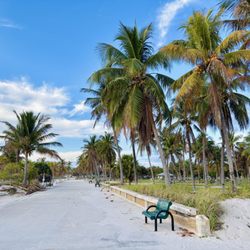
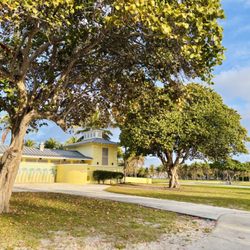
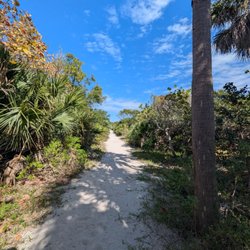
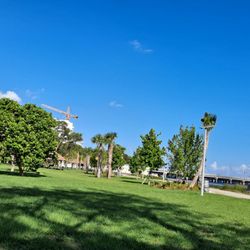
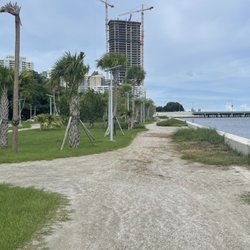
Camp Matecumbe Photos


You might also consider


More like Camp Matecumbe
Recommended Reviews - Camp Matecumbe
Start your review...


Reviews With Photos


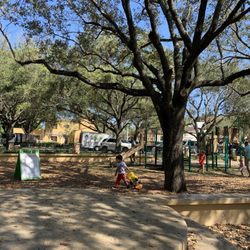
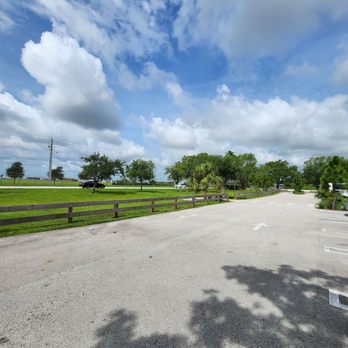
What an awesome park! Miami Dade county has done a fantastic job in building this place. Filled with things for kids to do and great obstacles, this is a sure bet for all ages. There's climbing, slides, swings and much more. I'm hoping that residents will be mindful and respectful of keeping this place clean. It will provide hours of fun and a nice break for parents for years to come. There's a good amount of parking as well. Signs posted to remind residents that we are still in times of Covid , so masks are required.


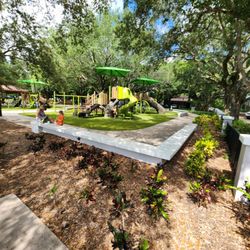
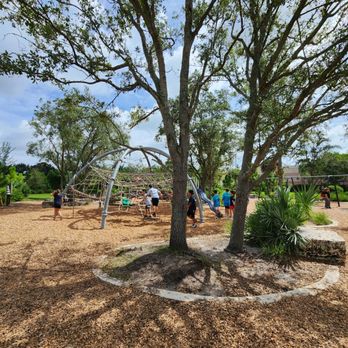
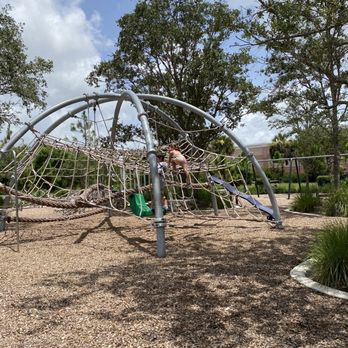
Camp Matecumbe is the name of a summer camp created by the Diocese of St. Augustine on the Boystown land they purchased in 1955 in a rural part of unincorporated Southwest Miami-Dade called the Hammocks. In 2003, the 98 acre Boystown campus was sold to Miami-Dade to become a park marking the history of Operation Pedro Pan, a secret exodus of over 14,000 Cuban minors, ages 6 to 18 to the United States over a two-year span from 1960 to 1962. Parents sent unaccompanied children to the United States amid fears sparked by the 1959 Cuban Revolution. Many were sheltered here upon their arrival. Today the name Camp Matecumbe is more closely associated with a new type of nature themed playground designed by LandscapeDE. They are a design firm that creates very distinctive and creative outdoor play spaces for children. If you ever saw one you would know it instantly. They created the amazing ADA accessible playground in Pinecrest Gardens with the anole lizard ramp, a small nature themed playground for Biscayne Shores & Gardens Park, and what I think is the best example of their work, the brand new play area in Pioneer Park in Port St. Lucie. While not as large as the playground in Pioneer Park, Camp Matecumbe has more than enough to keep children entertained for hours. Invasive plants were removed and the design was developed to incorporate the endangered Pine Rockland preserve that exists in the park. A highlight of the play area is a hill with a 20 foot long slide. To reach the top children can climb native oolite block steps or a slope covered in mortared river rock. Other playground elements include musical instruments such as bells, metallophones, and chimes, a play house, swings, and a climbing net The park also has paved walkways, native plants and trees, seating, and recovered cypress river logs from Florida. I love how the design of this park incorporates elements from nature resulting in a very inviting and sustainable play area where children can enjoy the outdoors while strengthening their bodies and developing their imagination. read more


Only Con: no bathroom Everything is on point! It has various types of swings for 10 months old and up. It has a cool slide that it's on top of like a little hill made out Coral looking cement. Then there's a toddler section with 2 slides and little section to sit on top of slide area. Also, chalkboard and musical area where kids can touch drums and bells. They have a climbing thing made out of rope. There's benches everywhere for parents to sit and to watch their kids and have a picnic (if wanted). CLEAN! CLEAN! CLEAN! read more


3 years ago
Our next family adventure take us to Camp Matecumbe Park located in Kendall a place for the youngest members of the family to enjoy a park with many attractions where they will spend a fun and unforgettable day. From a climbing wall to later slide down a channel and you can even make your own music in the Thai style. It also has an obstacle course for them to test their ability and when you go up the top of the hill you can see the entire park, highly recommended to spend some time with the family in perfect weather. read more






6 years ago
What an awesome park! Miami Dade county has done a fantastic job in building this place. Filled with things for kids to do and great obstacles, this is a sure bet for all ages. There's climbing, slides, swings and much more. I'm hoping that residents will be mindful and respectful of keeping this place clean. It will provide hours of fun and a nice break for parents for years to come. There's a good amount of parking as well. Signs posted to remind residents that we are still in times of Covid , so masks are required. read more


3 years ago

4 years ago
Hidden gem!! Love this park. It is well kept and beautiful. Doesn't feel like I'm in Miami when I come here! read more


2 years ago
More info about Camp Matecumbe
13841 SW 120 St
Miami, FL 33186
Directions
(305) 752-4966
Call Now
Hours
Outdoor Amenities