Wise County Heritage Museum Photos


You might also consider


More like Wise County Heritage Museum
Recommended Reviews - Wise County Heritage Museum
Start your review...





9
5
17
6 years ago
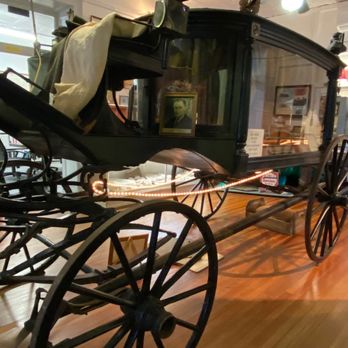
Great museum 10/10 I had to leave a little early so I couldn't get a close look at everything so I definitely missed a few things I liked the local and Wild West history and the lost ballttailon was super cool one of the first Us flags flown over japan I really enjoyed the other ww2 room to tho i also really really liked the stuff from the chsiosm trail. read more

Helpful 0
Thanks 0
Love this 0
Oh no 0

0
2
3
3 years ago
Helpful 0
Thanks 0
Love this 0
Oh no 0

More info about Wise County Heritage Museum
119 N State St
Decatur, TX 76234
Directions
(940) 394-0223
Call Now
Visit Website
http://wisehistory.com/
Hours
Other Amenities
From the Business
Ask the Community - Wise County Heritage Museum































Why does Yelp recommend reviews?
1 review that is not currently recommended
The reviews below are not factored into the business's overall star rating.

0
3
0
2 months ago



