Warm Springs Mining Camp Photos


You might also consider


More like Warm Springs Mining Camp
Recommended Reviews - Warm Springs Mining Camp
Start your review...



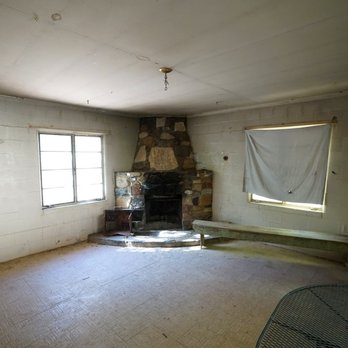
If you love Death Valley history and lore, this is a must see spot for you! We stopped here along the way from Russel's Cabin headed towards Furnace Creek, and ended up spending extra time checking out all the cool buildings, the cool water spring, and swimming pool! Be mindful of stirring up dust inside the structures, as the threat of hantavirus is real. Lots of evidence of rodents here, but still worth the risk. There are interpretive panels that discuss the history of the property, as detailed in the previous review. Our favorite part of exploring this area was the mining equipment and kitchen area of the ranch house. The smoke trees shade much of the buildings, and it was cooler here than other areas of the park. To the east of the buildings you can see a mine, cut deep into the hillside. We didn't explore that area this time, but will for sure on our next visit. Driving in we did see several burros as well, a special treat for my wife who is a huge fan of the furry desert dwellers. Be sure to check out the old empty swimming pool that is on the north side of the main building. You can almost hear the echoes of swimmers from the desert past, enjoying a break from the baking sun to relax in it's once cool waters. We stopped for a group photo here in the shallow end of the pool, a great spot to set your camera's self timer! Inside one of the rooms there is a very nice stone fireplace, that looked recently used. In the same room we also discovered poker chips and a couple of beer bottles...desert poker anyone? This spot is just one of the must see's of Death Valley's immense mining history, and from what we read this spot was the most prolific in production at it's hey day. Don't miss this really cool area as you drive through to other DV locales! read more


17 years ago
Mining in Death Valley got its start in the 1849 Gold Rush, when prospectors were scouring California for the bright yellow ore and the instant wealth it promised. The vaguest of rumors would bring hordes of miners, merchants, swindlers, and criminals flooding into an area, only to abandon it overnight when another rumor surfaced elsewhere. Most of the 50-plus ghost towns in Death Valley date from this period. Some others, like Warm Springs, are more modern. These came out of the search for the less glamorous talc and borax deposits found here by tough pioneers like Louise Grantham. In the 1930s, Louise bought the Gold Hill Mine on the west side of Death Valley and established the Warm Springs Mining Camp. Louise brought in 50 miners and mined talc here until her death in the 1950s. After her, the Pfizer Company took over, finally abandoning the area in 1982. Today, the camp that Louise built is almost perfectly intact. Apart from the mine shafts, the remains include the main building, a bunkhouse, three varieties of ore crushers, and a swimming pool. Warm Spring still bubbles up out of the ground above the camp most of the year. Everything looks exactly the way it did in Louise's day. The Mitchell Scale measures roads from I to IV according to the difficulty of access. The unmarked road up to Warm Springs is Class I (light SUV) and II (4-wheel drive). Beyond the camp, it degenerates to Class III (difficult) all the way up to the Mengel Pass and the crest of the Panamint Mountains, and then Class IV (military 4WD) down Goler Wash to Barker Ranch, where Charles Manson hid out with his family in 1969. There are definitely more accessible ghost towns in Death Valley, but none are more intact or more evocative of the eccentric people who sought their fortunes here. read more

More info about Warm Springs Mining Camp
West Side Rd
Death Valley National Park
Las Vegas, NV 92328
Directions
Hours
Outdoor Amenities
Other Amenities