
Walmart Supercenter
Walmart Supercenter Photos


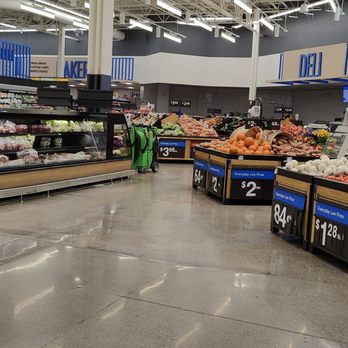
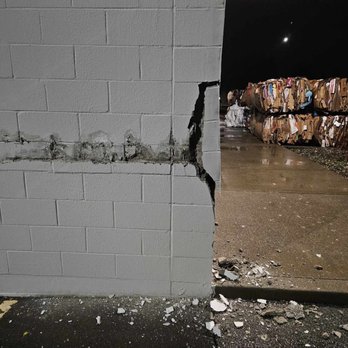
You might also consider


More like Walmart Supercenter
Recommended Reviews - Walmart Supercenter
Start your review...

Reviews With Photos


Stopped here on the way back to California for some travel essentials. The manager went out of the store and racially profiled my husband. He said he had numerous complaints of him soliciting. With social distancing in place my man stayed in the car while I ran in. I was in the store for literally 15 minutes. He was sitting in a handicap parking space with the sign up and was told there were numerous complaints of soliciting. After my husband politely told him he was waiting on his wife the manager proceeded to tell him there no selling drugs in the parking lot! Wow! Walmart is getting a very nasty complaint! Do not go to this Walmart if you identify with any race of color, they have made it clear you are not welcome. Especially in the parking lot. The kicker is they sure took my money with a smile inside of the store! If I had been aware before I purchased our supplies I would have left their goods right where they keep them! What a shame to treat a retired navy veteran like that! Shame on you Longview Washington! I will never visit your racist city again!
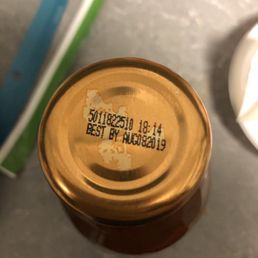
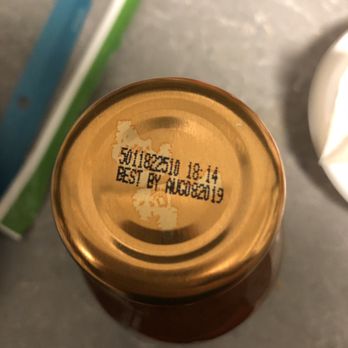
Second time I have bought something there only to discover it was expired. I should have checked the shelf date yes, but a bottle of Korean barbecue sauce that has been expired for over a month!? I bought it 2 days ago, went to put it in my recipe tonight and noticed a weird thick film on top where the sauce wouldn't pour out. Checked the label and sure enough, it's expired. Thanks Walmart.


2 years ago
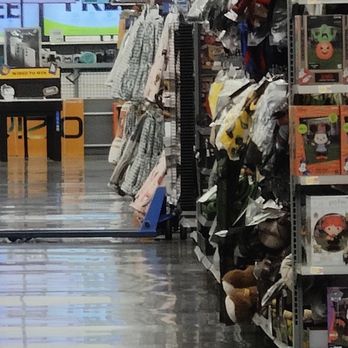
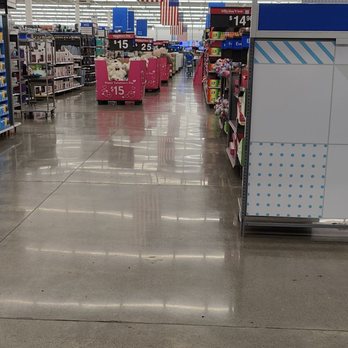
I work there and most associates are really helpful.but if you want assistance from anything higher good luck. Safety is third to last place . Honestly you might wonder how the store opens . But install the Walmart app. You're going to need it read more




3 years ago

3 years ago
2 years ago

3 years ago
3 years ago

6 years ago
5 years ago
4 years ago

6 years ago

6 years ago
Stopped here on the way back to California for some travel essentials. The manager went out of the store and racially profiled my husband. He said he had numerous complaints of him soliciting. With social distancing in place my man stayed in the car while I ran in. I was in the store for literally 15 minutes. He was sitting in a handicap parking space with the sign up and was told there were numerous complaints of soliciting. After my husband politely told him he was waiting on his wife the manager proceeded to tell him there no selling drugs in the parking lot! Wow! Walmart is getting a very nasty complaint! Do not go to this Walmart if you identify with any race of color, they have made it clear you are not welcome. Especially in the parking lot. The kicker is they sure took my money with a smile inside of the store! If I had been aware before I purchased our supplies I would have left their goods right where they keep them! What a shame to treat a retired navy veteran like that! Shame on you Longview Washington! I will never visit your racist city again! read more

7 years ago
Second time I have bought something there only to discover it was expired. I should have checked the shelf date yes, but a bottle of Korean barbecue sauce that has been expired for over a month!? I bought it 2 days ago, went to put it in my recipe tonight and noticed a weird thick film on top where the sauce wouldn't pour out. Checked the label and sure enough, it's expired. Thanks Walmart. read more


11 years ago

11 years ago
Wal Mart never fails. Always an interest bunch of folks. Ice cream I aisle has a great selection though. Haagen-Dazs Carmel Cone tonight. read more


12 years ago

10 years ago
8 years ago

10 years ago
4 years ago
8 years ago
9 years ago
10 years ago
More info about Walmart Supercenter
3715 Ocean Beach Hwy 2
Longview, WA 98632
Directions
(360) 355-3016
Call Now
Visit Website
http://www.walmart.com
Hours
Payment methods
Food & Alcohol
Indoor Amenities
Outdoor Amenities
Other Amenities
From the Business
Ask the Community - Walmart Supercenter

















Why does Yelp recommend reviews?
4 reviews that are not currently recommended
The reviews below are not factored into the business's overall star rating.
6 years ago
9 years ago
5 years ago
4 years ago


