
Walmart Supercenter
WALMART SUPERCENTER · YELP ASSISTANT
Ask Yelp Assistant
Walmart Supercenter Photos




Business Info
You might also consider


More like Walmart Supercenter
Recommended Reviews - Walmart Supercenter
Start your review...

Reviews With Photos


Walmart Automotive- an appointment means nothing. Get in line when you get there. It's still first come first serve. I thought that maybe WM was taking an interest in customer service... not.


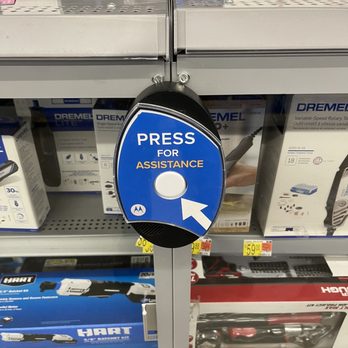
Wanted to purchase a $16 level in the hardware dept that was shelved in a locked case more than an hour before closing. First staff member directed me to where I could find what I was looking for. Then, advised to press a white button to get help. A different staff member said he was already clocked out, but was still performing job related tasks when approached. Was informed: only the manager has the key to the case, but was advised to press a button to request support and to keep pressing it when should the light stop blinking. Button plays an automated message when pressed, but doesn't result in any customer support. After 15mins of pressing the button repeatedly, I dropped what I was going to buy and left. If you're trying to buy something in a locked case, save yourself the 15+ minutes.
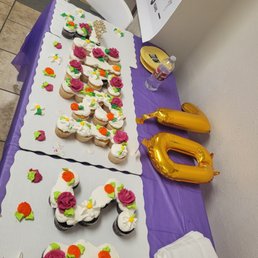

I remembered Walmart does cakes and they made my vision happen. Since Covid I am over blowing out candles and cutting cake to pass out; I really like the idea of individual cupcakes and they made them so beautifully.
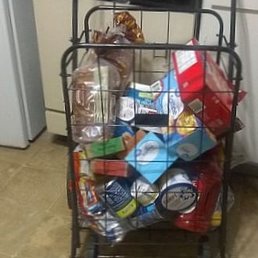

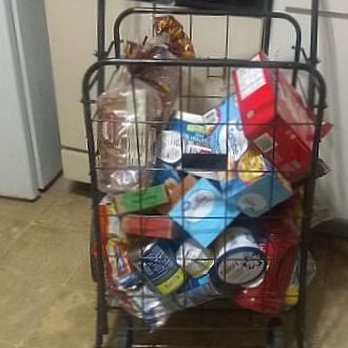
Being elderly and disabled, I have been using Walmart Delivery for grocery shopping. Today's delivery totaled 38 items and, because plastic bags are no longer allowed in Albuquerque, the items were sent to me loose (see photo, items placed in my cart upon arrival at my apartment). I thought they were to use paper bags? The 'DoorDash' delivery driver apologized, saying Walmart refused any type of bag.


2 years ago
I spend several hundred dollars if not closer to $1000 every month in this store with my EBT and my husband's two jobs in my one job. This is the third time now they have accused me of some sort of theft when I have never stolen anything. It's eye-opening and nauseating too, be treated like that from a business you spend so much money at. I'm showing proof to World because they've actually told me before this is the third in a series of horrific, disgusting accusations being backed up by heresay and no proof. I bought a pet fountain here six months ago they told me they never sold me and I lived across the street from them and I could not have bought from any other store. I did not have transportation to get anywhere else and then I was told I didn't buy that as well because they never sold the item. Yeah it was on my Walmart plus account as a purchase. I am not kidding you. This is going too far by telling me they saw me on camera walk out of the store which did not happen . I am absolutely 100% disgusted with myself for spending money there again but we put back everything we were going to buy today, winds of change, we have canceled our Walmart membership and we are now target exclusive. Good luck because they're literally ridding their store of all the good customers while they're being robbed by all the bad ones . Sad because I knew the lady personally at the door who was offended by what I had told her had happened to me as well. Not everybody who works. Here is a jerk, but specific jerk is Jacynidia actually caught an attitude when her job is customer service. I hope enough people look at this and stop themselves from going through the experience of buying from someone literally cares not even remotely about your self-respect or your image enough to accuse you stealing when 100% would never happen, I work very very hard so I don't have to steel. Good luck with all of the people that are robbing you. I knew it was complete and utter bullshit when she said they saw me walk out with brown pants. There's absolutely no possible way. I brought two pairs up to the register and I could not afford to buy both. They did not even look at the camera and if they did, they're lying their ass off, I have my proof right here and this is why I keep receipts and this is why I take pictures and this is why I do reviews so people don't have to suffer the humility of being called the thief when they work as hard as I do. I will give them two stars only because I rule out the one and five star reviews myself as I consider them emotional. This is not emotional, or wasn't until I was accused of stealing, some thing I paid my hard earned money for which took me an entire hour and a half to earn enough money to pay for those pants with receipt in hand, they won't take them back or return. When I paid for the pants, I brought two to the register and I ended up not having enough cash to pay for both of them and when the lady took the pants off of my receipt, she must've taken off the wrong color and that's why I know for 100% fact , this was their fault on both transactions. We put back everything we were going to buy today and I hope you do too. People do not deserve to be treated like thieves when they work this hard. Jacynidia -customer service is a choice of a job that you were not built for. Service is in the title and what you had was the attitude of a 12-year-old girl in middleschool that someone pulled her pigtail and then got a quick remark off that hurt the person's feeling. I was disgusted that you had to pull face of pride when you were told lies by someone who obviously didn't look at any camera images. You are a child so maybe there's hope for you, but I didn't see it in anything you did today. I'm glad I will never have to see your face again. Good luck becoming a better person or your life is destined for misery. People don't shop at Walmart because it's a choice, it's out of necessity because we can't afford more. Your attitude Jacynidia shows you aren't built to have compassion for customer service. I'm sorry no one told you yet but it's so obvious to everyone around you. They're just not brave enough to tell you and if they're proud of the childish emotion you throw into your words, they're just as bad and ill equipped for customer service as you, though you may be the title holder for someone speaking utter nonsense and having no clue us to how uninformed and unaware you truly look to honest people. Jacynidia Please get a different job. I won't shop there again, but others don't deserve your childish lying company when they're doing their returns after hard days work. Why don't you work on folding clothes? I bet you could do that and have attitude and no one would notice. read more


16 days ago


5 months ago

10 months ago


11 months ago
10 months ago

2 years ago

2 years ago
Walmart Automotive- an appointment means nothing. Get in line when you get there. It's still first come first serve. I thought that maybe WM was taking an interest in customer service... not. read more

1 year ago

Wanted to purchase a $16 level in the hardware dept that was shelved in a locked case more than an hour before closing. First staff member directed me to where I could find what I was looking for. Then, advised to press a white button to get help. A different staff member said he was already clocked out, but was still performing job related tasks when approached. Was informed: only the manager has the key to the case, but was advised to press a button to request support and to keep pressing it when should the light stop blinking. Button plays an automated message when pressed, but doesn't result in any customer support. After 15mins of pressing the button repeatedly, I dropped what I was going to buy and left. If you're trying to buy something in a locked case, save yourself the 15+ minutes. read more

1 year ago
2 years ago

2 years ago
2 years ago

4 years ago

4 years ago

4 years ago

4 years ago
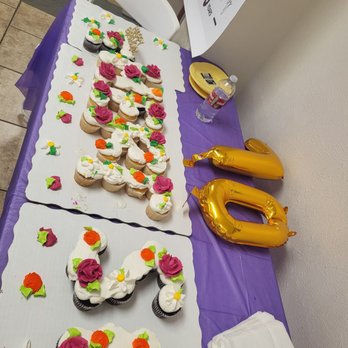
I remembered Walmart does cakes and they made my vision happen. Since Covid I am over blowing out candles and cutting cake to pass out; I really like the idea of individual cupcakes and they made them so beautifully. read more

7 years ago
Being elderly and disabled, I have been using Walmart Delivery for grocery shopping. Today's delivery totaled 38 items and, because plastic bags are no longer allowed in Albuquerque, the items were sent to me loose (see photo, items placed in my cart upon arrival at my apartment). I thought they were to use paper bags? The 'DoorDash' delivery driver apologized, saying Walmart refused any type of bag. read more
3 years ago
*BEWARE WALMART ON CARLISLE *CHECK YOUR PRODUCTS IN STORE I went and bought a jump starter (locked up product) to jump my car after replacing alternator in Walmart parking lot. I opened it to find that the product was Not the one I paid for (lower amps) I go in and innocently tell them what happened and showed them my receipt on the Walmart app. I then instantly regretted being honest when they start treating me like I stole the product. I let them know I never left the property bc my car is disabled in the parking lot. They watch the cameras and determine that I was given a new product there for I must have switched it. Meanwhile the +\- attachment do not match the product I received so I can't even use the one I was wrongly given. I was told to contact 1800walmart for refund. 1800walmart directed me back to the store where I was treated like I stole this product again. I was even accused of just having a picture of my receipt despite it being on the WALMART APP I bought the product at 549 and the first time I tried to return it was around 640 the same night. I then got escorted out of the store ( after they determined I did in fact purchase this product) and got told to call 1800 Walmart ( corporate told me to go back to store to get refund which I wasn't granted) I PAID 170 for the gbx55 ( can charge bigger engines and diesel) I received a Broken gb40 with a cord that doesn't work and the instructions for the model I purchased the model I received cost 110 and I can't even use the product bc I don't have instructions or the cord read more

2 years ago


4 years ago
Hello there, I must say you have a nice blog and it was really helpful. You want to know about Walmart One, and how to set up Walmart One account. Then feel free to visit this web below to be enlightened. https://www.techfiver.com read more


6 years ago
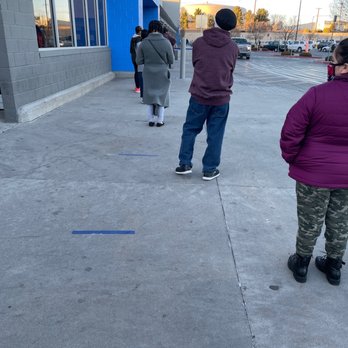
Terrible. Don't come here unless you're okay with waiting in a line that DOESN'T move. The manager here is incompetent and doesn't know what he/she/they is doing. I understand COVID makes things complicated but at least give people that are standing in line an update or a reason why the line isn't moving. read more

4 years ago
3 years ago

8 years ago
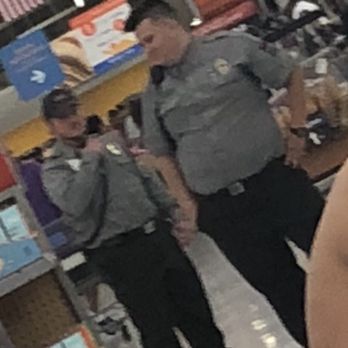
So I was at this Walmart today at 7 right after work, managers and security were following me everywhere because they thought I was going to steal a 50" sound bar. They said that I was close to both the doors but, at first I was carrying it so I put it down by the self check out then got a cart. This is when managers and security started following me. So, I continued shopping for about a hour a cop walked up to me and asked me to show him my receipt I said ok and continued. About, 30 minutes later I checked out feeling harassed and nervous I paid with my debt card and they asked for my ID and then we got the ok to leave but was harassed by the security and managers the whole time. This store is very unprofessional like the other Walmart's in Albuquerque. Sickening. read more
3 years ago

4 years ago

6 years ago
3 years ago

7 years ago
Walmart is inexpensive and tolerant. This location is the one closest to me. The arrangement of the parking lot makes it seem busier than it actually is. Inside the store is huge. (It is a bit like the Tardis that way.) Because the store is so big a lot of people can fit inside before it feels crowded. This location gets high marks for from me for being extremely tolerant. I dance with a sword. The best practice is doing ordinary things with the sword balanced on your head. My apartment is very small so I do grocery shopping with the sword on my head. I usually go at 10pm although early in the morning is also a good option for avoiding crowds. I like being able to get everything in one place. For clothes I usually buy multiple sizes and bring back the rejects. They are very nice about that. Very professional. When I go shopping I like to bring my own bags. I open my trunk. I unsheathe my sword or swords (I am now working on balancing two) then I grab my bags. If there is a security person (or a greeter) I walk up and say hi. I empathize with standing on hard floor all day (because I have done that). I ask if it is ok to shop with grocery bags from other stores. If I am looking for something I have not bought before I ask where he or she would look for it. I never mention the sword. I move slowly and I get all my shopping. Sometimes I practice traveling dance moves as I walk down the exceedingly long aisles. When I am ready to check out I prefer a human. I practice bending my knees without dropping the sword. I dip down, blindly grab something and set it on the conveyor belt. It sometimes takes me a while to get all my groceries out of the cart and put my bags on top. I speak warmly to the cashier and adopt a friendly smile. After 2 years I did have one cashier ask if I have magnets in my head. I handed her the sword and said, "No, there are no tricks. I just balance it. That is why I need so much practice." I have not had any other comments. As I said before; they are extremely tolerant. If I don't get a cart and later realize I need one, I ask someone near the door to please fetch me a cart because I am afraid I may drop something. The staff are very obliging. At first I went at the same time of day on the same day of the week. Now I just go any time that isn't busy. The other shoppers sometimes avoid me and I prefer to make that easy. When my store was open 24 hours it was restocked at 6am so I generally went late at night instead. Now that the store is closed at night, it makes no difference. As a general rule I find that the store is clean and well stocked. There are a few exceptions. The costumes and decorations are a wreck in the week before Halloween. Just before Christmas the store can be a little disordered; especially the kids toys. Considering the low prices (and low pay for staff) I have found the service to be excellent. Once when I was in the fitting room someone took my cart (which was full of shopping). I solved that by trying on clothes at home now. When I return the rejects I let the staff know that I am returning Items that are the wrong size, wrong color or just plain ugly. Only once have I needed to return something for a manufacturer defect. Once I bought a TV/VCR (I am dating myself here.) the first time I used it the thing would not give me back my tape. They were happy to take back the player for a refund but they balked at replacing the tape. I stuck to my guns and insisted that they retrieve my tape or replace it. Eventually they did. If you are concerned about being accused of anything I have a suggestion. Speak to the staff early and often. Ask if the cold/hot air blows in the door. Ask someone for the best way to get a cart if you end up finding a large or expensive item. My mother has someone do the shopping for her and put everything in her car. I still go inside because I believe in sticking with reusable bags wherever possible. Besides, I need the practice with my sword! read more










12 years ago
6 years ago
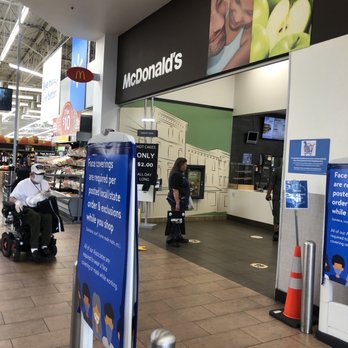
Do you don't require customers to wear masks, or employees? The one that helped me at self check pulled it down to help me, most definitely was NOT asked for. And this one in my photo is going to order food, INSIDE YOUR STORE, wearing her Walmart vest and endangering people by wearing no mask. You should be ashamed of how little you give a shit about people's health. read more
4 years ago

6 years ago
Page 1 of 2
More info about Walmart Supercenter
2701 Carlisle Blvd NE
Albuquerque, NM 87110
Midtown/University
Directions
(505) 884-6650
Call Now
Visit Website
http://www.walmart.com
Hours
Payment methods
Food & Alcohol
Outdoor Amenities
Other Amenities
From the Business
More Info
Health Score

Ask the Community - Walmart Supercenter
Review Highlights - Walmart Supercenter
You might also consider





















Why does Yelp recommend reviews?
9 reviews that are not currently recommended
The reviews below are not factored into the business's overall star rating.
9 months ago

15 years ago
8 months ago
2 years ago

1 year ago
1 year ago
3 years ago
10 years ago

13 years ago


