THE KOJI CLUB · YELP ASSISTANT
Ask Yelp Assistant
The Koji Club Photos


Business Info
You might also consider


More like The Koji Club
Recommended Reviews - The Koji Club
Start your review...
Reviews With Photos
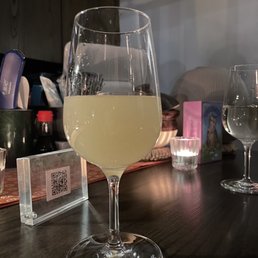

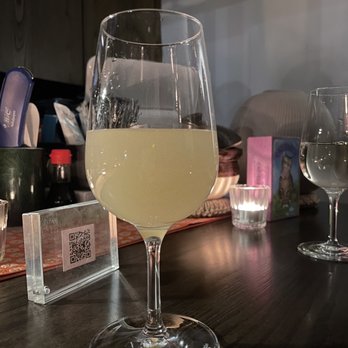
This a beautiful, cozy Japanese style bar specializing in sake. I didn't get a chance to try any of snacks and food - but the drinks and ambiance were excellent! The staff was warm and inviting, very knowledgeable. This is an excellent and unique addition to Boston's bar scene and I'd be really delighted to come back here. I will definitely be recommending it to friends and colleagues.


A great place to get sake with your date in an intimate setting in Brighton. The bartenders are super attentive to your drinks and the service is exceptional. Parking can be a bit tough unless you're showing up late, but you can probably walk from star market / spring shabu shabu. Prices are good for what you get. The bartenders are very helpful and knowledgeable in getting your drinking preference for sake. I'm a Japanese whisky / scotch drinker and the aged sake was a great gateway sake.


Boston's First Sake Bar Arrives in Brighton and has officially opened for service, starting on 2022-02-10. As a sake aficionado, I could not resist this opportunity to see what The Koji Club brings to the city. I arrived at the Speedway, which houses a biergarten and other establishments, in addition to the Koji Club. The establishment itself is fairly small, with a countertop capable of seating 7-8, 3 small tables for two, and additional high tables outside. The work space behind the counter seemed deep enough only for a single employee. This all evoked the Tokyo bar scene. Small bars, run by a single person serving maybe 5 people on a single counter, dot the metropolis. All this made for an intimate atmosphere. The establishment itself provides various bar snacks, such as sesame oil olives and curry empanadas in additional to specialty sakes. Pricing seems comparable with wine bars. Each glass contains 4oz of sake at 16-19% ABV and is priced at the upper $10s and lower $20s (more for extra premium sakes). The staff are all quite knowledgable about sake and, more importantly, ready to field questions from first-timers and aficionados alike. They will explain the concept of rice polishing (semaibuai) and its effect on classification (e.g. junmai vs junmai gingo) and also taste (earthy & robust vs floral & delicate). Moreover, the staff are all more than willing to experiment with how to serve the sake. Most sakes here come chilled in champagne glasses. However, during conversation with staff, we discussed the effects of temperature on flavor and how different sake styles react differently toward being served at different temperatures. This led to me trying a junmai daigingo (a style normally served cold) that nonetheless held its flavor while hot. Lastly, the variety of sake flavors bears mention. The establishment carries orthodox sakes with wide appeal. Additionally, it carries newer sakes from upstart breweries. One example is the Fukucho Seaside, a sparkling sake made in Hiroshima. Sake is ordinarily not carbonated, but the brewery decided to make a champagne-like experience. Another is the Mukai Shuzo, a sake made from red rice. Its crimson color sets it apart from all other sakes, which are usually completely transparent (like vodka), cloudy white, or yellow but clear (like sparkling wine). The flavor also does not fit anywhere on the standard spectrum of earthy and robust (junmai) or floral and fruity and bubblegum-y (daigingo). Instead, this red rice sake tasted sweet, almost like mead of barley wine. As far as sake bars go, The Koji Club seems to do nicely. It has knowledgeable and patient staff, an intimate atmosphere, and an impressively curated sake selection. I certainly look forward to returning, but maybe after my wallet has recovered from its wine-bar esque pricing.


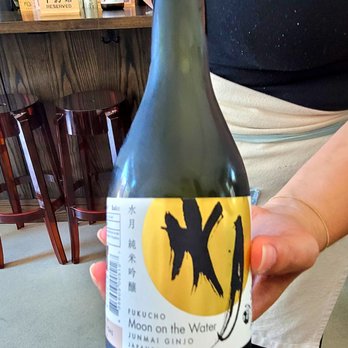
This is Boston's first sake bar located in a little nook in the Speedway of Brighton. Alyssa, who is the owner, was a great host with her presentation and education of sake. Her experiences in Japan, specifically with Dassai, definitely exuded imagery and almost transported us to the location and atmosphere itself. Definitely a great storyteller. Where it falls short (and this can go in either direction depending on the individual consuming the sake) is the tasting line-up. As our party were experienced with sake, the tastings offered were more on the introductory front for anyone venturing into the sake world and wishing to understand the process and flavor. We understand sake commands a premium in the restaurant business but because the offerings were something we've had previously, they weren't anything new for us and gave us a feeling of wanting a bit more in the experience. I would definitely invite anyone who would like to expand their knowledge and palate in sake to participate in this place but it may not be for anyone with greater familiarity.


Impressive list of Japanese sakes. I come for the snacks and bento boxes while my spouse comes for the drinks. Last time I went, I reserved a bento box. The bento box is only available on Thursdays. The sushi inside was shockingly high quality for food served in bars. I would go back just for the bento box. The hojicha tiramisu I had for dessert was good too. The curry empanada was tasteful as well. The seating area outside is comfortable if the weather is nice out. The interior is crowded, but pleasantly warm and dark during the winter. read more


A very intimate sake bar in Speedway! It is a very small spot - wooden stool seatings at the bar and just three/ four tables so make sure you book ahead. The sake selection is amazing and beautifully curated. I really enjoy reading through the delicate details describing each sake on the menu. I also love that you can sample each sake before you commit to a glass/ bottle. Service is also great and both bartenders are knowledgeable! They also have quick bites to pair with but I didn't get to try them. - 8/10 read more


There's a reason this is named one of the best bars of 2023! I'm not going to lie, when we got there and saw that it was not a big space, I wasn't sure how to feel, but once you get in and sit down, all of that goes away and you get an understanding to the experience that you're about to get here. Limited seating gives you the experience to enjoy your sake and not only get an answer from the servers, but a great story behind the sake, and the processes they go through. They tell a great story and you could hear the enthusiasm in their voice. Low lights, beautiful décor, amazing sake glasses, and smiles bring this place together. Also, try the Cat Tarot cards. They're fun in their own way, but we ended up getting some laughs out of it and the other customers got in on it as well. Don't sleep on the food here. It may not seem like much, but the saltines, cream cheese and miso were a hit and of course we had to get a bowl of steamed rice to munch on. Huge thank you to Courtney & Moe for providing us an exceptional experience. If you're not sure what you want to drink, give them an adjective and they'll get you something that you like. I went with "dangerous" and it hit the spot! The only negative comment that I have to say is that it got hot in there. I get that it was only 30 something outside and opening the door would probably have turned the place into a freezer within minutes, so I won't take any stars off from that. read more


This a beautiful, cozy Japanese style bar specializing in sake. I didn't get a chance to try any of snacks and food - but the drinks and ambiance were excellent! The staff was warm and inviting, very knowledgeable. This is an excellent and unique addition to Boston's bar scene and I'd be really delighted to come back here. I will definitely be recommending it to friends and colleagues. read more

3 years ago
A great place to get sake with your date in an intimate setting in Brighton. The bartenders are super attentive to your drinks and the service is exceptional. Parking can be a bit tough unless you're showing up late, but you can probably walk from star market / spring shabu shabu. Prices are good for what you get. The bartenders are very helpful and knowledgeable in getting your drinking preference for sake. I'm a Japanese whisky / scotch drinker and the aged sake was a great gateway sake. read more


1 year ago

Boston's First Sake Bar Arrives in Brighton and has officially opened for service, starting on 2022-02-10. As a sake aficionado, I could not resist this opportunity to see what The Koji Club brings to the city. I arrived at the Speedway, which houses a biergarten and other establishments, in addition to the Koji Club. The establishment itself is fairly small, with a countertop capable of seating 7-8, 3 small tables for two, and additional high tables outside. The work space behind the counter seemed deep enough only for a single employee. This all evoked the Tokyo bar scene. Small bars, run by a single person serving maybe 5 people on a single counter, dot the metropolis. All this made for an intimate atmosphere. The establishment itself provides various bar snacks, such as sesame oil olives and curry empanadas in additional to specialty sakes. Pricing seems comparable with wine bars. Each glass contains 4oz of sake at 16-19% ABV and is priced at the upper $10s and lower $20s (more for extra premium sakes). The staff are all quite knowledgable about sake and, more importantly, ready to field questions from first-timers and aficionados alike. They will explain the concept of rice polishing (semaibuai) and its effect on classification (e.g. junmai vs junmai gingo) and also taste (earthy & robust vs floral & delicate). Moreover, the staff are all more than willing to experiment with how to serve the sake. Most sakes here come chilled in champagne glasses. However, during conversation with staff, we discussed the effects of temperature on flavor and how different sake styles react differently toward being served at different temperatures. This led to me trying a junmai daigingo (a style normally served cold) that nonetheless held its flavor while hot. Lastly, the variety of sake flavors bears mention. The establishment carries orthodox sakes with wide appeal. Additionally, it carries newer sakes from upstart breweries. One example is the Fukucho Seaside, a sparkling sake made in Hiroshima. Sake is ordinarily not carbonated, but the brewery decided to make a champagne-like experience. Another is the Mukai Shuzo, a sake made from red rice. Its crimson color sets it apart from all other sakes, which are usually completely transparent (like vodka), cloudy white, or yellow but clear (like sparkling wine). The flavor also does not fit anywhere on the standard spectrum of earthy and robust (junmai) or floral and fruity and bubblegum-y (daigingo). Instead, this red rice sake tasted sweet, almost like mead of barley wine. As far as sake bars go, The Koji Club seems to do nicely. It has knowledgeable and patient staff, an intimate atmosphere, and an impressively curated sake selection. I certainly look forward to returning, but maybe after my wallet has recovered from its wine-bar esque pricing. read more




3 years ago

4 years ago
This is Boston's first sake bar located in a little nook in the Speedway of Brighton. Alyssa, who is the owner, was a great host with her presentation and education of sake. Her experiences in Japan, specifically with Dassai, definitely exuded imagery and almost transported us to the location and atmosphere itself. Definitely a great storyteller. Where it falls short (and this can go in either direction depending on the individual consuming the sake) is the tasting line-up. As our party were experienced with sake, the tastings offered were more on the introductory front for anyone venturing into the sake world and wishing to understand the process and flavor. We understand sake commands a premium in the restaurant business but because the offerings were something we've had previously, they weren't anything new for us and gave us a feeling of wanting a bit more in the experience. I would definitely invite anyone who would like to expand their knowledge and palate in sake to participate in this place but it may not be for anyone with greater familiarity. read more




3 years ago

3 years ago
Blown away by the Holiday Lunch! The food was incredible. The sake pairings were magnificent. The ambiance was beautiful and festive. Service was incredibly friendly and knowledgeable. If you have the chance to go to the Koji Club for a meal, definitely go! read more


1 year ago

2 years ago
2 years ago
2 years ago

3 years ago


3 years ago

3 years ago
2 years ago

4 years ago

3 years ago

4 years ago
5 years ago
The Koji Club is the kind of bar Boston should have more of. Intimate, casual, and fun and with sake offerings that will blow you away. I loved trying some for the first time and revisiting old favorites like the Hoyo 'Farmer's Daughter' Junmai and Tedorigawa 'Lady Luck' Junmai Daiginjo. Really fun food pairings as well. I had Asahi Shuzo Junmai with Calbee potato chips and they went together so well! Love the knowledgable folks behind this and can't wait to go back. Run, don't walk to this spot. read more


3 years ago
4 years ago