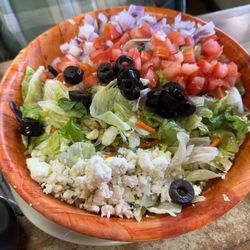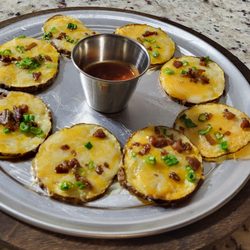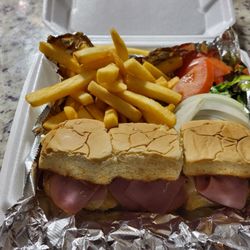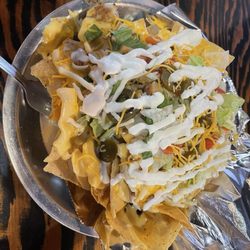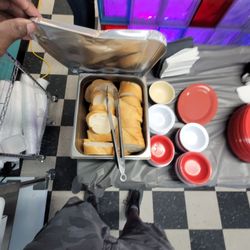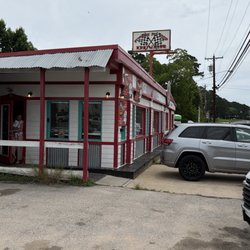
The Hop Photos

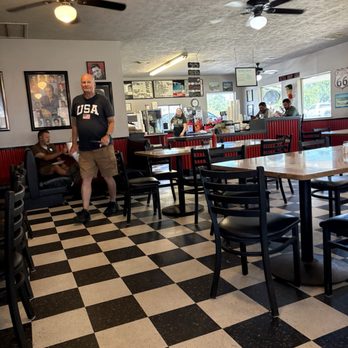


THE HOP ATMOSPHERE

You might also consider


More like The Hop
Recommended Reviews - The Hop
Start your review...


Reviews With Photos

This place is Great... was in the area needed lunch and place to sit.... got the double cheese burger and 1/2 order of the onion rings. (More than enough w the burger.) The burger was spot on juice and hot perfect! Onion Rings were unbelievable, if you like rings you'll love these made fresh in house! Family owned and they were there great people.... like it so much went back the next week!


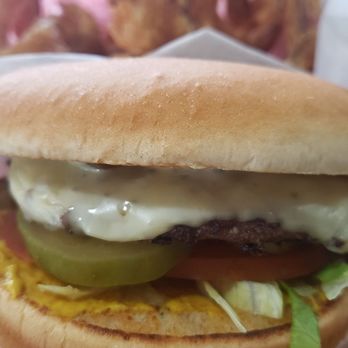
I hate to give a bad review to this place because there or so few places in this area. It had a neat theme and the staff was friendly, but let's face it you go there to eat. The patty on the burger was so thin, it was barely thicker than the pickle. I took mine apart, removed the bottom bun, and folded it together just to try to taste the burger. I got the weekend special which came with the burger, crinkle cut fries and a drink. The fries really had no flavor except that of old cooking oil. I placed a to go order for someone else, and chose the chicken sandwich and onion rings knowing that the burger was not good. They said the chicken was rubbery and seemed like it was steamed or boiled, and not grilled. The onion rings on the other hand were delicious. This place has so much potential and I really wish them the best.


2 months ago

5 months ago
Cutest lil diner. Food was excellent. I'd go back for sure. Onion rings, chili cheese fries, burgers all delicious. read more


1 year ago
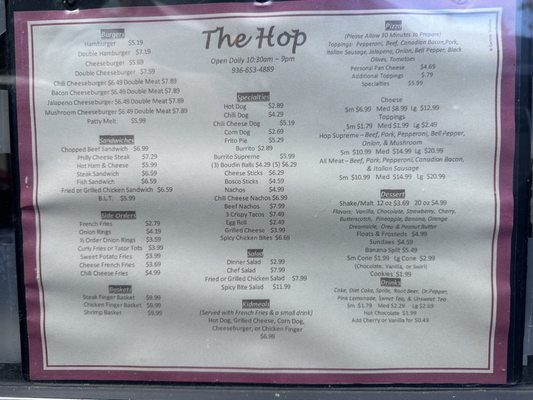
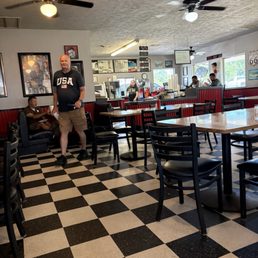
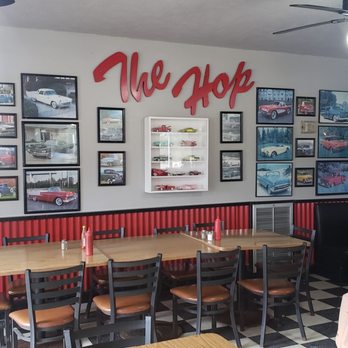
Air Conditioning was welcome on this HOT day at the lake. Food- This Diner has lots of selection, including Daily Specials. On Tuesday it was 3 tacos for $9.50. Lots of lground beef, lettuce, tomato , salsa- sour cream was in a package to add as you wish. Sweet Tea, perfect late lunch. Hubby had combo pizza- hot, flavorful, lots of veggies and meats too. Big meal, so I grabbed a slice. Yum. Service- order at the counter, and it was brought to our booth as it came up. That was nice since tacos were faster than pizza. I think it is usual to get your own food at the counter when it's busy. This is a BIG dining area, with counter stools too. Decor- Great! 1950s theme, black n white floor tiles, Movie star and Rock n roll legends on the walls, Route 66 memorial. Lots to look at, well done and fun. Kids could learn a lot here by asking questions of the Grands (that's us) Servers were nice and fun to chat with, fast moving and helpful. We talked about the cool retro metal cars & legos display ... and the weather... of course. read more


3 months ago

5 months ago

5 months ago

8 months ago
This place is Great... was in the area needed lunch and place to sit.... got the double cheese burger and 1/2 order of the onion rings. (More than enough w the burger.) The burger was spot on juice and hot perfect! Onion Rings were unbelievable, if you like rings you'll love these made fresh in house! Family owned and they were there great people.... like it so much went back the next week! read more


1 year ago

1 year ago

I hate to give a bad review to this place because there or so few places in this area. It had a neat theme and the staff was friendly, but let's face it you go there to eat. The patty on the burger was so thin, it was barely thicker than the pickle. I took mine apart, removed the bottom bun, and folded it together just to try to taste the burger. I got the weekend special which came with the burger, crinkle cut fries and a drink. The fries really had no flavor except that of old cooking oil. I placed a to go order for someone else, and chose the chicken sandwich and onion rings knowing that the burger was not good. They said the chicken was rubbery and seemed like it was steamed or boiled, and not grilled. The onion rings on the other hand were delicious. This place has so much potential and I really wish them the best. read more
1 year ago
Food was good and made fresh. Small town place so it wasn't busy. Cool 50s atmosphere with a bunch of pictures of old cars and celebrities. Bathrooms are clean just a little small. read more


2 years ago

2 years ago
1 year ago
6 months ago
1 year ago
1 year ago

2 years ago


A nice 50s style diner. Great menu. They serve burgers, pizza, and a whole lot more. Much better than any of the chain restaurants. The service is very good. The restaurant is clean. The decor is very nice and has a little something for everyone. read more

2 years ago

2 years ago

4 years ago
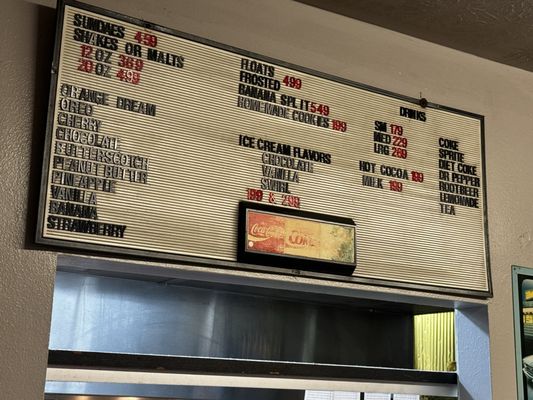
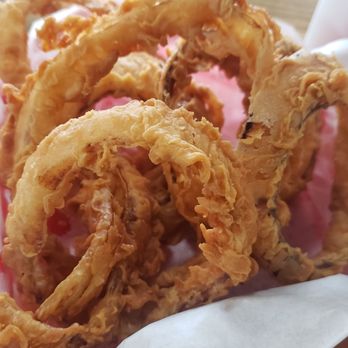
So most people are aware I go EVERYWHERE.. for my clients...on the rare occasion duty calls me to the lakefront community of Livingston.I get a little giddy inside...I know I'm going to be passing through the one horse town called Coldspring. I then plan my stop to this little roadside gem called The Hop. Its unassuming tiny and half the time you can't even tell if its open. The walls are peppered with 50's nostalgia...complete with the black and white checkered floors...the staff is ridiculously friendly. But THE FOOD Y'ALL. The burgers are great. Perfectly toasted buns. Everything is fresh....nothing crazy about the burgers...just good. Get a double if you are super hungry, But the star of the show...the headliner....the cherry on top....THE ONION RINGS. Now total disclaimer...I am not an onion ring fan. I rarely get them, Mostly because most people don't do them right. Too much batter...too thick of a ring...no seasoning...batter comes off when you take a bite.. the list goes on, but these are a work of art. The lightest most angelicly crisp batter with a crunch heard around the room. The perfect sized ring with the thinnest onion possible. Every bite melts in your mouth and ZERO BATTER comes off these rings. Perfect bite every time. I'm telling you its worth the drive. Now if you've saved a little room they do have all your malt shop favorites and a good assortment of shake flavors, or a rootbeer float. Best part is they are CHEAP! Kids...its hard to feed four kids and myself with desserts under $50. Enjoy...and let me know if you go. I'd love to hear your experience. read more

2 years ago


4 years ago


3 years ago

3 years ago

7 years ago

4 years ago

6 years ago
3 years ago

12 years ago

7 years ago
4 years ago

Page 1 of 2
More info about The Hop
14801 State Hwy 150 W
Coldspring, TX 77331
Directions
(936) 653-4889
Call Now
Hours
Payment methods
Food & Alcohol
Indoor Amenities
Outdoor Amenities
Other Amenities