
Order Sushi Tanuki Takeout or Delivery
Sushi Tanuki Photos


Business Info
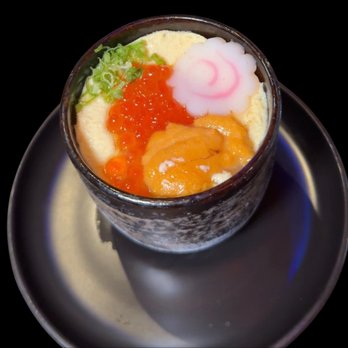
Sushi Tanuki Popular Dishes




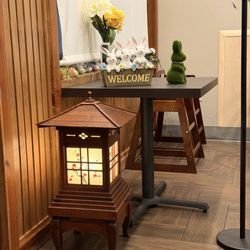
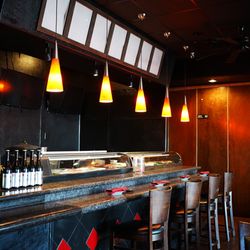
SUSHI TANUKI ATMOSPHERE
What's the vibe?


More like Sushi Tanuki
Recommended Reviews - Sushi Tanuki
Start your review...

Reviews With Photos
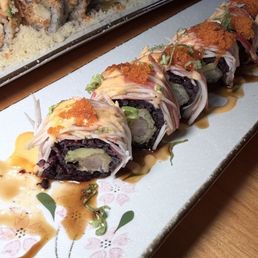

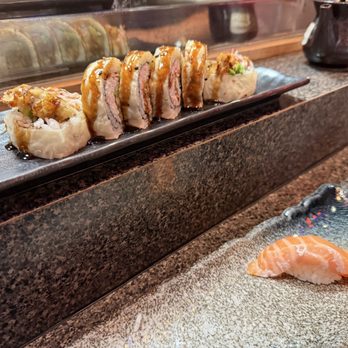
This has to be probably the friendliest restaurant I have been to in so long. The customer service here was remarkable. And the food was delicious. I loved the smoke show that they did with some of the sushi. What a great ambience. The prices of the specials might change I don't know, but I will tell you that it was a great deal this visit.


What a great experience! We came here for my birthday due to the Inkind promotion. We ordered some cocktails which are all Sake based and enjoyed how refreshing the mojito was! Our service was very attentive and friendly. The server really connected with our toddler over their love for strawberry mochi. The screaming o was fantastic and we really enjoyed the Black and Pink roll! The black rice with pink paper was absolutely beautiful. The sushi chef even customized a roll with white tuna for us and all the food was amazing. Their AC was out and I could see employees bringing in portable AC units. This is a dedication to excellence that I admire. We will definitely be back!


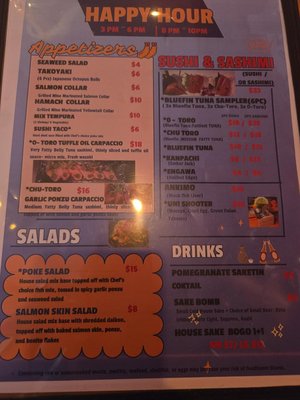
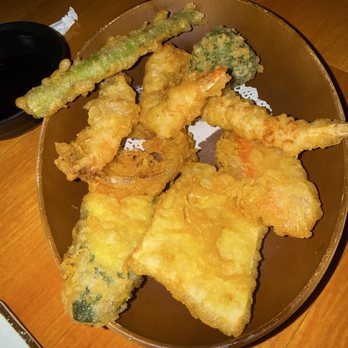
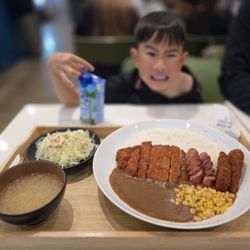
We ordered the Salmon Collar from their Happy Hour menu, which was awesome. We also enjoyed the Mixed Tempura and Chicken Katsu Curry. Unfortunately the Pork Katsu Don was a lil overcooked. Simple and clean interior. Friendly staff. We'll come back when we're in the area.


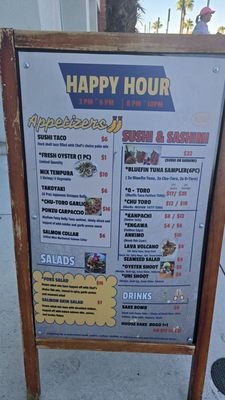
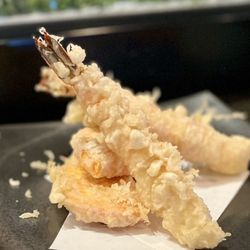
When I worked close to Boca Park area, I would see Sushi Tanuki but glad I finally got to give them a try. Service was good and the workers were all nice. NOTE: Happy Hour available - 3 pm - 6 pm and 8 pm - 9:30 pm Food: Salmon Kama $6 HH Mix Tempura - $10 (it came with 3 shrimp) Spicy Tuna Roll Cucumber Roll (Refreshing) Agedashi Tofu First, the sushi rolls were delicious. The cucumber roll was refreshing. I also enjoyed the spicy tuna roll. Not fishy at all. It hit the spot. The mix tempura had 3 shrimps and some other vegetables which was perfect. The agedashi tofu was also to my liking. Now lastly, the salmon Kama was a hit. For $6 there was also a piece of salmon meat. The flavors were good and not fishy at all. I enjoyed it very much. Overall, great spot and good service. I will definitely return.


Love this place it's my local go to sushi spot. Check this out. Their service is amazing and the food is so flavorful. Love the quaint space and the Japanese vibe. Check out james_eats_vegas on instagram or tik tok for full review.


Been a couple of weeks since our last visit. Restaurant looked as good and clean as last time and the meals were still pretty darn fresh and good. It seemed like the Bento Box serving was more than enough. No complaint but a compliment. I really think this Japanese restaurant fits my personal requirements for a quiet personal experience. Compliments to the staff and chefs for an excellent dining experience. See you again.
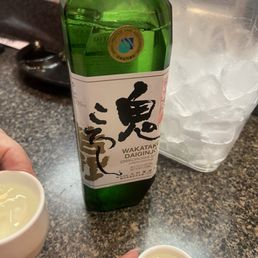

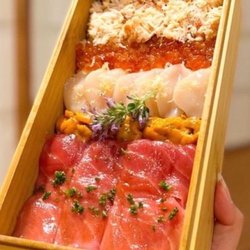
This place is a hidden gem indeed. I never thought how amazing and fresh their fish quality is here until I tried the deluxe Chrirashi Box. Service is nice and has a great neighborly vibe. It's quiet inside and not a large place, more intimate for smaller groups. They also have a great location in Boca Park and not overwhelming once inside. The Sake selection is impeccable too. I will definitely be back. I'm so glad I have tried it.


Found this place today and wow! We really enjoyed it! We opted for Bento Boxes this time but we WILL be back to try some of their other items. I had the Bulgogi Bento Box which included soup, salad, veg and shrimp tempura, rice, a heaping serving of delicious bulgogi with onions and perfectly seasoned, AND I chose 4 pieces of (fat) California rolls. My hubby chose Chicken Teriyaki Bento Box with 4 avocado rolls. I'm so glad we found this place. It is our new Japanese food place for sure!
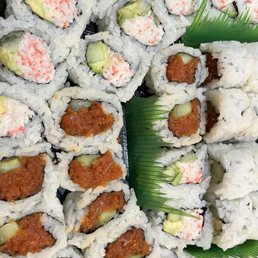

My go to sushi place for take out. Sucha variety of different rolls that you don't see anywhere in the Vegas valley. They are known for their black rice rolls, so choose one of them if you haven't tried black rice. Always fresh, and they have reasonably priced lunch bento boxes as well as sushi party trays. I am disappointed that they recently removed my favorite handroll from the menu, the Tanuki handroll. I always order the 007 roll and the combo party tray when I have guests visiting. If you order directly from their website, you save on delivery fees and the prices are always lower.
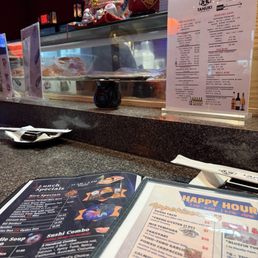

Sushi Tanuki kept showing up on my social media feed for its awesome happy hour and since I was in town I just had to try it. The focus was on the happy hour menu as I love good value for good food plus it's a great way to try many items. I started my happy hour with the Bluefin Tuna Sampler consisting of 6 pieces of either your choice of sashimi or sushi. I opted for the sushi because I was hungry and wanted rice. This was a perfect start to my meal of the 2 piece each of Bluefin Tuna, Chu-Toro and O-toro. Super fresh fish tasty, buttery and leaving you wanting more. Next up was the Sushi taco found on their happy hour menu. Neat concept but the shell broke so easy once in your hand. The Poke filling was top notch just the shell execution needs to be improved as it was difficult to eat when it all breaks apart. Third, the $6 grilled salmon collar. This is a must get, tender and super flavorful salmon collar. It's a lot of meat for the price. And lastly the 2 piece sushi of sweet shrimp. Delicious fresh sweet shrimp with its clean and tender taste. Highly recommend you find a way to dine at Sushi Tanuki for their Happy Hour Menu, it is well worth the visit.


I found my new go to sushi spot for good quality sushi! The service here was great, very attentive. Place was small and cozy. This place is so close to me and I've always passed it when shopping in Boca park. Well if you're like me and you always pass it and think you'll try it one day... just do it! It's so good! The sushi is exactly what I was looking for! Good size rolls, quality and flavor! For this visit my husband and I got some salmon and tuna nigiri, a salmon avocado roll, a jackpot roll and a bowl of udon. We started with that and really thought we were going to order more (we eat a lot) But we were actually full. So good! We are definitely going to be back to try a bunch of rolls to find our favorites!


Tried this sushi spot near Tivoli Village and overall had a great experience! The place wasn't too busy, which made it a nice, relaxed atmosphere to enjoy dinner. The menu is massive with tons of sushi rolls plus plenty of hot dishes if you're in the mood for something cooked. They also have a full bar with an impressive selection of sake bottles. I tried the Mango Midori and it was absolutely delicious- refreshing and perfectly balanced. The sushi itself was pretty good; fish quality was decent and everything was presented nicely. Our waiter was friendly but did forget a couple of items, and the service was a bit slow considering the place wasn't very busy. All in all, solid sushi spot with a great menu and good drinks. I'd definitely come back to try more rolls next time!


Hands down this is my favorite sushi in Las Vegas. The service is always quick, the employees are kind, and the ambiance is comfortable and welcoming. I come here often by myself or when I have friends visiting. The fish is always so fresh and high quality. They offer a black rice which I haven't seen many other places, as well as rice free rolls that are SCRUMPTIOUS! The location is epic for locals and I will be coming here for years to come!


On the hunt for a good eel box like the ones I've had in Japan. The search has led me to Sushj Tanuki! So we can start off with the Eel donburi. The flavor, softness and sauce, send down a trip down memory lane. Exactly what I was looking for. Also ordered sashimi lunch special and Chirashi. Love the thick cuts on the fish! They've become one of favorite instantly for that. The fish is fresh, they have a great variety. This how you do sashimi. Not pictured but also ordered 2 rolls which were great. Love the portion and even bonus points for having fresh wasabi (that was extra) Our server was great! She was very friendly. I'm happy I discover this place and hope more people do as well read more


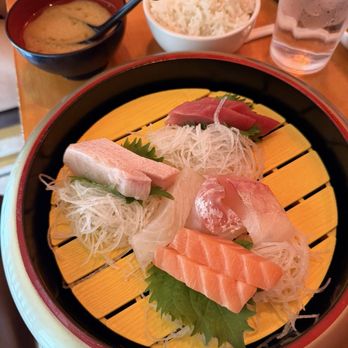

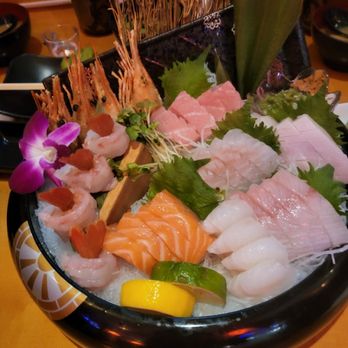
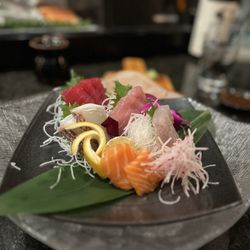
Sushi Tanuki offers an enticing proposition for sashimi devotees: an 18-piece Deluxe Sashimi assortment for $58, accompanied by miso soup and salad, with uni, ikura, amaebi, ocean trout, and the chef's selection of fish comprising a notably generous presentation. While the economics are persuasive, the gastronomy proves far less so. Substantial cuts and premium ingredients confer visual abundance upon the platter, yet neither abundance nor nomenclature can compensate for fish whose defining characteristics remain frustratingly inarticulate. Sashimi permits almost no culinary camouflage. Texture, temperature, knife work, intrinsic flavor, and the condition of the fish assume disproportionate importance when cooking and elaborate seasoning have been removed from consideration. Sushi Tanuki's assortment possessed the requisite variety but seldom the corresponding finesse. Tuna and kanpachi began agreeably, their textures sound and their flavors unobjectionable, although both lacked the lucid, species-specific character capable of transforming mildness into delicacy. Their restraint approached anonymity, with even sparing applications of soy sauce and wasabi readily eclipsing nuances too faint to retain an independent presence on the palate. Madai proved more problematic. A discernible fishiness emerged as a return flavor after the initial impression had subsided. Similar notes subsequently appeared in later pieces of tuna and kanpachi, expanding the concern beyond an isolated imperfection. The unwanted flavor persisted more vividly than the desirable characteristics of the fish: sweetness remained elusive, savory depth barely registered, and clean marine freshness gave way to an unpleasant fishy aftertaste. The reversal is particularly damaging in sashimi, where refinement depends as strongly upon purity of finish as upon the initial impression. Uni escaped excessive salinity and pronounced fishiness, modest praise for an ingredient capable of far greater eloquence. The expected interplay of sweetness, brine, creaminess, and lingering oceanic richness never acquired compelling definition. Amaebi likewise remained acceptable rather than seductive, missing the delicate sweetness and almost silken tenderness capable of making excellent sweet shrimp memorable. Across an assortment of markedly different ingredients, too many selections arrived at the same disappointing endpoint: pleasant, technically acceptable, and strangely inexpressive. The accompanying salad introduced a ginger dressing whose sweetness overwhelmed the ingredient named in its description. Ginger's aromatic pungency, peppery warmth, and refreshing sharpness were scarcely perceptible beneath a saccharine profile. Miso soup repeated the imbalance, with sweetness occupying the foreground while dashi, fermented soybean depth, salinity, and umami remained curiously attenuated. The resulting broth lacked the savory resonance and equilibrium expected from so elemental a Japanese preparation. Hospitality was cordial throughout the meal, although familiarity with the menu did not equal the friendliness of the service. The chef-selected sashimi arrived without identification of its components, leaving several pale-fleshed varieties indistinguishable without assistance. An inquiry required the platter to return to the kitchen before tuna, kanpachi, madai, halibut, and other selections could be identified. Uncertainty over whether the orange-fleshed fish represented salmon or the ocean trout specified on the menu further diminished confidence in the presentation. Species identification forms an integral part of appreciating a chef-selected progression, particularly when several selections are visually similar. The portions were indeed generous: substantial cuts, a broad assortment, and the inclusion of uni, ikura, and amaebi make $58 appear unusually favorable by ingredient count or price per piece. Culinary value cannot be adjudicated by arithmetic alone. Premium sashimi warrants its price through immaculate handling, textural precision, clarity of flavor, delicacy, and a pristine finish. Sushi Tanuki presented the components and proportions of a premium assortment without consistently achieving the corresponding refinement. The least flattering comparison comes from far less expensive all-you-can-eat sushi establishments capable of serving sashimi with comparable, occasionally greater, delicacy. A dedicated $58 sashimi presentation should demonstrate a perceptible superiority in quality rather than rely upon generous portions to justify the premium. Sushi Tanuki never convincingly achieved one. Friendly service and liberal portions provide genuine merits, but muted flavors, recurrent fishiness, poorly balanced accompaniments, and uncertain product knowledge culminated in a meal too imprecise to inspire a return. read more


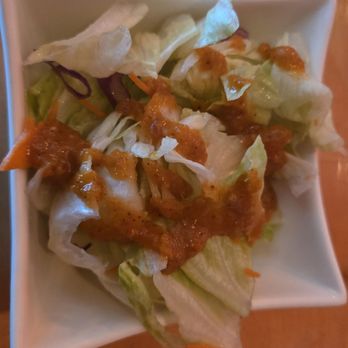


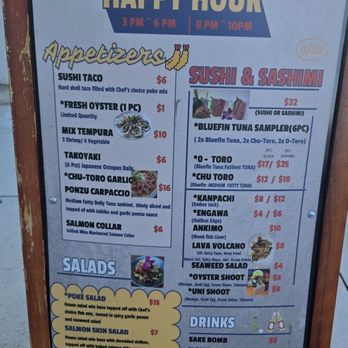


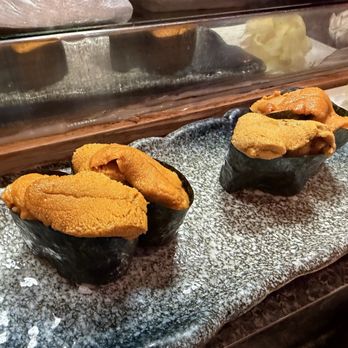
This place is sooo good we came back 2 days in a row. The fish quality is seriously impressive and they're super generous with the fish to rice ratio. The salmon belly is probably my favorite, buttery and basically melts in your mouth. The uni was sooo creamy and sweet with zero bitterness. Everything tasted really fresh. They even have kizami wasabi which was such a nice touch and not something you find at every sushi spot. The Hot Tokyo roll was another favorite. We got it without jalapeños or sriracha and it was still really flavorful. The texture is so good too. It has enough going on that you really don't miss the spice at all. Service is excellent. The server is extremely attentive and the sushi chefs are hilarious. Sitting at the sushi bar is definitely the move. The owner is also incredibly kind and welcoming. Really really good sushi. Definitely one of our new favorite spots and we'll be back! read more



20 days ago
This has to be probably the friendliest restaurant I have been to in so long. The customer service here was remarkable. And the food was delicious. I loved the smoke show that they did with some of the sushi. What a great ambience. The prices of the specials might change I don't know, but I will tell you that it was a great deal this visit. read more
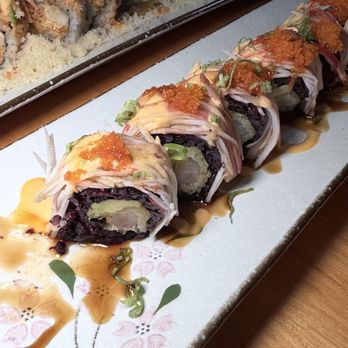

What a great experience! We came here for my birthday due to the Inkind promotion. We ordered some cocktails which are all Sake based and enjoyed how refreshing the mojito was! Our service was very attentive and friendly. The server really connected with our toddler over their love for strawberry mochi. The screaming o was fantastic and we really enjoyed the Black and Pink roll! The black rice with pink paper was absolutely beautiful. The sushi chef even customized a roll with white tuna for us and all the food was amazing. Their AC was out and I could see employees bringing in portable AC units. This is a dedication to excellence that I admire. We will definitely be back! read more


We ordered the Salmon Collar from their Happy Hour menu, which was awesome. We also enjoyed the Mixed Tempura and Chicken Katsu Curry. Unfortunately the Pork Katsu Don was a lil overcooked. Simple and clean interior. Friendly staff. We'll come back when we're in the area. read more


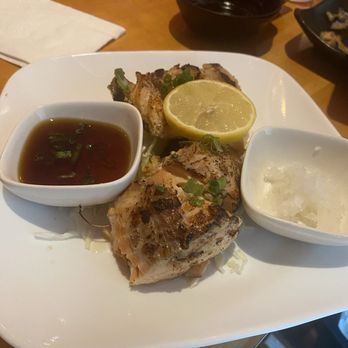

When I worked close to Boca Park area, I would see Sushi Tanuki but glad I finally got to give them a try. Service was good and the workers were all nice. NOTE: Happy Hour available - 3 pm - 6 pm and 8 pm - 9:30 pm Food: Salmon Kama $6 HH Mix Tempura - $10 (it came with 3 shrimp) Spicy Tuna Roll Cucumber Roll (Refreshing) Agedashi Tofu First, the sushi rolls were delicious. The cucumber roll was refreshing. I also enjoyed the spicy tuna roll. Not fishy at all. It hit the spot. The mix tempura had 3 shrimps and some other vegetables which was perfect. The agedashi tofu was also to my liking. Now lastly, the salmon Kama was a hit. For $6 there was also a piece of salmon meat. The flavors were good and not fishy at all. I enjoyed it very much. Overall, great spot and good service. I will definitely return. read more


Love this place it's my local go to sushi spot. Check this out. Their service is amazing and the food is so flavorful. Love the quaint space and the Japanese vibe. Check out james_eats_vegas on instagram or tik tok for full review. read more




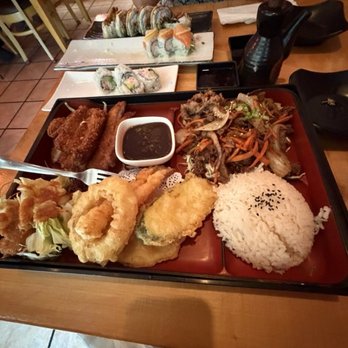
Been a couple of weeks since our last visit. Restaurant looked as good and clean as last time and the meals were still pretty darn fresh and good. It seemed like the Bento Box serving was more than enough. No complaint but a compliment. I really think this Japanese restaurant fits my personal requirements for a quiet personal experience. Compliments to the staff and chefs for an excellent dining experience. See you again. read more



1 month ago
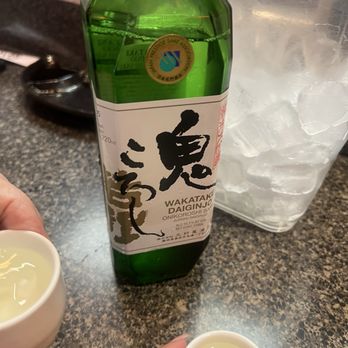
This place is a hidden gem indeed. I never thought how amazing and fresh their fish quality is here until I tried the deluxe Chrirashi Box. Service is nice and has a great neighborly vibe. It's quiet inside and not a large place, more intimate for smaller groups. They also have a great location in Boca Park and not overwhelming once inside. The Sake selection is impeccable too. I will definitely be back. I'm so glad I have tried it. read more


Found this place today and wow! We really enjoyed it! We opted for Bento Boxes this time but we WILL be back to try some of their other items. I had the Bulgogi Bento Box which included soup, salad, veg and shrimp tempura, rice, a heaping serving of delicious bulgogi with onions and perfectly seasoned, AND I chose 4 pieces of (fat) California rolls. My hubby chose Chicken Teriyaki Bento Box with 4 avocado rolls. I'm so glad we found this place. It is our new Japanese food place for sure! read more


1 month ago

8 months ago
My go to sushi place for take out. Sucha variety of different rolls that you don't see anywhere in the Vegas valley. They are known for their black rice rolls, so choose one of them if you haven't tried black rice. Always fresh, and they have reasonably priced lunch bento boxes as well as sushi party trays. I am disappointed that they recently removed my favorite handroll from the menu, the Tanuki handroll. I always order the 007 roll and the combo party tray when I have guests visiting. If you order directly from their website, you save on delivery fees and the prices are always lower. read more


Sushi Tanuki kept showing up on my social media feed for its awesome happy hour and since I was in town I just had to try it. The focus was on the happy hour menu as I love good value for good food plus it's a great way to try many items. I started my happy hour with the Bluefin Tuna Sampler consisting of 6 pieces of either your choice of sashimi or sushi. I opted for the sushi because I was hungry and wanted rice. This was a perfect start to my meal of the 2 piece each of Bluefin Tuna, Chu-Toro and O-toro. Super fresh fish tasty, buttery and leaving you wanting more. Next up was the Sushi taco found on their happy hour menu. Neat concept but the shell broke so easy once in your hand. The Poke filling was top notch just the shell execution needs to be improved as it was difficult to eat when it all breaks apart. Third, the $6 grilled salmon collar. This is a must get, tender and super flavorful salmon collar. It's a lot of meat for the price. And lastly the 2 piece sushi of sweet shrimp. Delicious fresh sweet shrimp with its clean and tender taste. Highly recommend you find a way to dine at Sushi Tanuki for their Happy Hour Menu, it is well worth the visit. read more
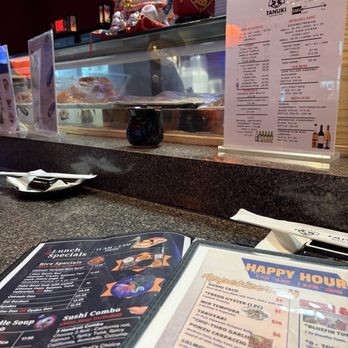


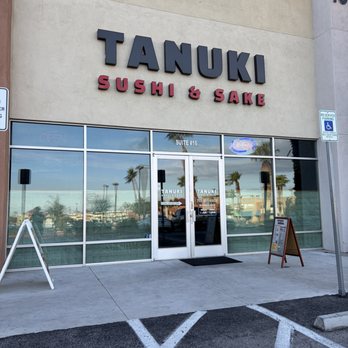

3 days ago

I found my new go to sushi spot for good quality sushi! The service here was great, very attentive. Place was small and cozy. This place is so close to me and I've always passed it when shopping in Boca park. Well if you're like me and you always pass it and think you'll try it one day... just do it! It's so good! The sushi is exactly what I was looking for! Good size rolls, quality and flavor! For this visit my husband and I got some salmon and tuna nigiri, a salmon avocado roll, a jackpot roll and a bowl of udon. We started with that and really thought we were going to order more (we eat a lot) But we were actually full. So good! We are definitely going to be back to try a bunch of rolls to find our favorites! read more


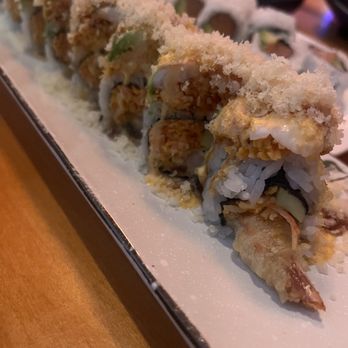

11 months ago
Tried this sushi spot near Tivoli Village and overall had a great experience! The place wasn't too busy, which made it a nice, relaxed atmosphere to enjoy dinner. The menu is massive with tons of sushi rolls plus plenty of hot dishes if you're in the mood for something cooked. They also have a full bar with an impressive selection of sake bottles. I tried the Mango Midori and it was absolutely delicious- refreshing and perfectly balanced. The sushi itself was pretty good; fish quality was decent and everything was presented nicely. Our waiter was friendly but did forget a couple of items, and the service was a bit slow considering the place wasn't very busy. All in all, solid sushi spot with a great menu and good drinks. I'd definitely come back to try more rolls next time! read more


7 months ago

1 month ago

3 months ago
Hands down this is my favorite sushi in Las Vegas. The service is always quick, the employees are kind, and the ambiance is comfortable and welcoming. I come here often by myself or when I have friends visiting. The fish is always so fresh and high quality. They offer a black rice which I haven't seen many other places, as well as rice free rolls that are SCRUMPTIOUS! The location is epic for locals and I will be coming here for years to come! read more

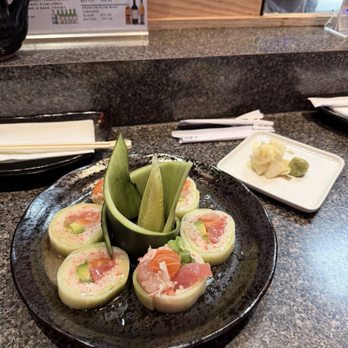

7 months ago
Our first time coming here. I'm giving it a 3 for a couple of reasons. My wife's sushi order came out in a timely matter while mine to 20 minutes longer. I feel like they added to much sauce on mine as well. read more


1 year ago
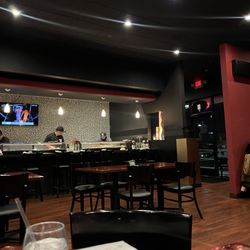
It is tucked away near a Target a large strip mall. As soon as you walk in, there is a square sushi bar with multiple tables around. We went in on a random weekday and the place was dead. Being the only customers, we chatted with the waiter for a bit and decided on a few popular items. First off the Bento Box was definitely a good portion to share. I loved the variety it has and it was all delish. i opted for the Large Combo Deluxe which came with seasoned rice and all the fish on the side plus premium things like sweet shrimp and uni. Since I'm not a huge uni person it wasn't worth the portion, but everything was delish and fresh. Definitely a great price point for what you get. I would come back for the sashimi in a heartbeat! read more


1 year ago
Good sushi and takeout orders are always packaged securely and correct. I've only eaten in once with a colleague but I have ordered takeout about five times so far. Rolls are delicious and the rice has never been overcooked. Quality of the fish is decent and prices are in order with other similar Japanese restaurants. The restaurant isn't very large and I've noticed they do a good amount of to-go orders when I'm walking in to grab mine. Theirs is sushi bar and everyone is ho works here is very nice. Lots of parking spaces available right out front. read more


2 months ago

11 months ago
Recently went to Sushi Tanuki and had a great experience! We visited on a weekend evening and ordered a variety of sushi rolls, along with an oyako don for myself. Every roll was fresh, flavorful, and packed with protein in every bite. The oyako don, however, was a bit bland and needed some soy sauce to bring out more flavor. Our waiter was friendly and attentive, and overall the service was excellent. I'll definitely be back next time, but probably just for the sushi rolls! read more

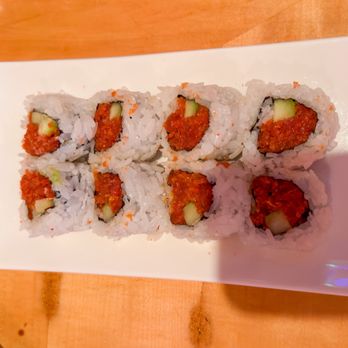
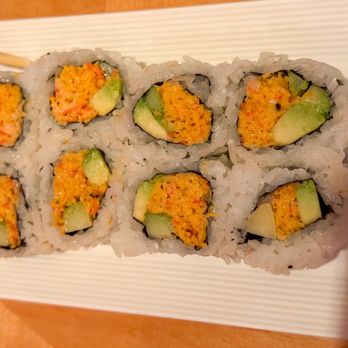

22 days ago

We arrived around 6:30 and were seated right away. Our waiter was friendly and gave helpful advice on what to order. The restaurant felt comfortable inside with plenty of seating. The food came out quickly. We had the Kani Flower Roll, Takoyaki, and a bento box with a salmon roll, shrimp tempura, and chicken karaage. Everything was fresh and well-prepared. The black rice rolls were the highlight, unique and really tasty. We'll definitely be back for those. The bento box was good, but next time I'll focus more on the sushi. * Some of the pictured sushi is missing since I forgot to take a photo before eating, but it did come with the number advertised. read more


5 months ago
Got the flying dragon and it was yummy and pretty to watch. Also tried a few other rolls that were really good. Would come again to try the kimchi fried rice. read more


1 year ago
Tucked away in the Sam's plaza as Target in Boca park. I've probably passed it many times but never gave it a try. Came here for happy hour and service was very good. Food came out quickly. Takoyaki was super crispy, one of the better ones I've had, although I wish it had more octopus inside. Oysters were big and only $1! The server did tell me the limit per table was 8 and we maxed out. My coworkers enjoyed the poke salad. It was enough for 2 to share. I wish they had some rolls on their happy hour menu. We did order 3 off the happy hour menu and dessert and left very full. read more


9 months ago
Walked in as a party of 3 for lunch around 2pm. Was told to seat ourselves. Not busy at all, but most empty tables and the empty bar was still yet to be cleaned. The only server there didn't reach to us until about 10 minutes, leaving us waiting when the place was already pretty quiet to begin with. Our server gave us the menus, explained the specials, and said he'd be back. (Though, at this point, it wasn't looking like it'd be a timely wait.) After around 5-10 more minutes of waiting-- no one else had walked in after us and everyone else was already eating, our server was nowhere to be seen-- we decided to leave. read more


3 months ago

5 months ago
Delicious Sushi! Great presentation, quality and service! The photo is the Mother's Day special...yummy! read more


I was watching Choo Sung Hoon's Youtube and he was eating something called kaisendon. I was craving it so much after watching him eat. I came to Tanuki and got the chirashi to fix that craving. Kaisendon is with plain white rice while chirashi is with sushi rice. I was very satisfied. I also got my favorite roll with toro. You should give it a try. read more

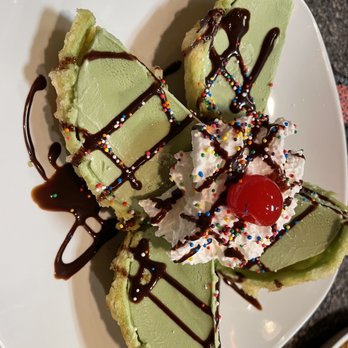


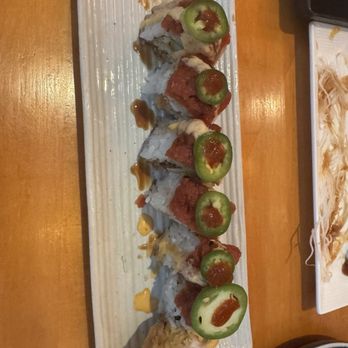
This was such an amazing find! We visited on 7/27 around 2:30pm. Nice atmosphere and fabulously air conditioned to beat the heat. All of the items we ordered were delicious! Service was prompt and friendly. The menu is huge and we had a hard time deciding. We ordered a lot including edamame not shown. Bathroom is a little sketchy but won't stop us from coming back. We had enough left over for another lunch. Loved it! read more
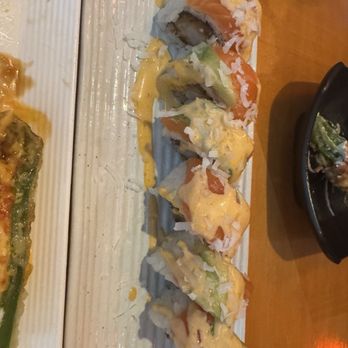


1 month ago
1 month ago
4 months ago
We were the only ones in the restaurant so we were worried. BUT...we were pleasantly surprised! Great service and great food! read more


5 months ago
Page 1 of 12
More info about Sushi Tanuki
1000 S Rampart Blvd
Ste 16
Las Vegas, NV 89145
Westside
Directions
(702) 659-9030
Call Now
Order Takeout or Delivery
Start Order
Visit Website
https://sushitanuki.com
Full menu
Hours
Payment methods
Food & Alcohol
Indoor Amenities
Outdoor Amenities
Other Amenities
More Info
Health Score
Sushi Tanuki Reviews in Other Languages
Ask the Community - Sushi Tanuki
Is there an all you can eat sushi option?
No, I don't think so. Everything was a la cart on the menu.
Do they sell tempura udon? If so is it good quality? I'm sorta picky with the broth... :)
Tempura udon is still available for $9.99. Good portion fir 1 to 2 people. Thank you.
Do you have gluten free options?
yep, also have gluten free soy sauce is available!
















Why does Yelp recommend reviews?
30 reviews that are not currently recommended
The reviews below are not factored into the business's overall star rating.
2 years ago
4 years ago


2 years ago
3 years ago
5 months ago
2 years ago

5 years ago


1 year ago

9 months ago

4 years ago
5 years ago

3 years ago
5 years ago

4 years ago
5 years ago

6 months ago
4 years ago
5 years ago


