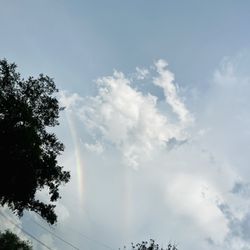
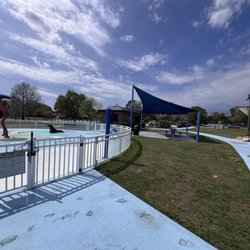
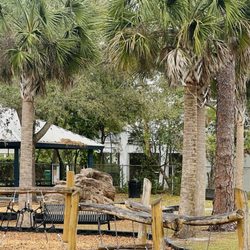
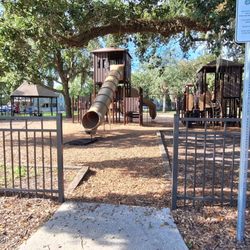
Speer Grove Park Photos


You might also consider


More like Speer Grove Park
Recommended Reviews - Speer Grove Park
Start your review...



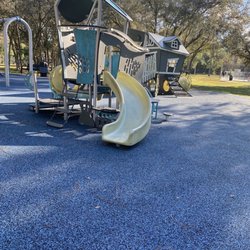
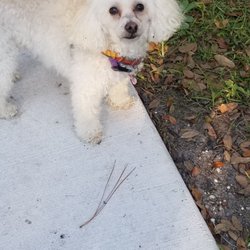
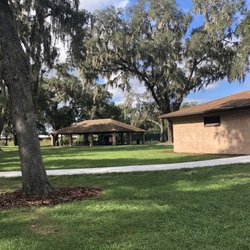
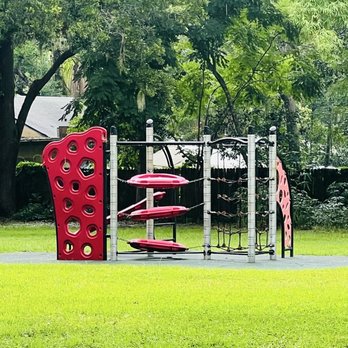
There is so much history in this little corner of Sanford. The charming Speer Grove Park was once the site of a fort during the Second Seminole War. When the government enacted the Indian Removal Act in 1830, the army was sent to drive all of the Native Americans out west on the Trail of Tears. The Seminoles resisted and the Second Seminole War broke out. Forts like this one in what is now Sanford were set up all across Florida to aid the US Army in their mission. The fort here was established on July 7, 1840 by Colonel William Harney. It was named after the fourth territorial governor of Florida, Robert Reid. Between July 1840 and January 1841 the fort was the headquarters of Colonel Twiggs of the Second Dragoons and included the commands of the St. Johns District, Army of the South, and the District South of New Smyrna under Colonel Harney. In 1840, Fort Reid had a force of 417 soldiers. It temporarily replaced Fort Mellon a mile and a half north for health reasons. The army abandoned the fort in 1842. After that it was occupied on and off by area settlers until it was re-garrisoned briefly in November 1849 before being permanently abandoned for the final time the next month. Since then, this open space has been used as a park named for Algernon Speer, one of the earliest settlers of Mellonville, Fort Reid, along the south shore of Lake Monroe, or Sanford as it is known today. This park was dedicated to him in 1941. Approximately a hundred years before, Mr. Speer planted an orange grove at Mellonville Avenue and 19th Street. The Sons and Daughters of the Territory of Florida sponsored a marker along with the Sallie Harrison chapter of Daughters of the American Revolution. Mr. Speer came to the area in 1884 from Georgia. Before Seminole County was formed, he became the first representative from Orange County to the State Legislature. Today the park is a gathering spot for the community for play, picnics, and exercise. A lot of people in the neighborhood take their dogs for a walk here. Speer Grove Park has a small playground, benches, and a grill. The Loblolly pine and towering oak trees dripping in Spanish moss add beauty and welcome shade to the park. I enjoyed stretching my legs and checking out Seminole County historic marker relating to Fort Reid at the edge of the park. If you didn't notice the sign, you would miss the history of this peaceful, passive park. read more


7 years ago

13 years ago
Big trees and old forts Speer Grove Park is a cool little park that has been around for a long time. The area started life as Fort Reid back in 1840 to serve in the Seminole Wars. It was named after Robert Reid who was the territorial governor of Florida at the time. The fort didn't last long and was abandoned by 1849. It has been used as a park and open area even since. The park isn't large but has some great ancient and very cool trees. They give the park great shade and a nice, casual and historic ambiance. A nice marker explaining the historic of old For Reid is in the park as well as a little playground, some benches and picnic tables and some BBQ grills. Not a whole lot but enough to make the park an enjoyable spot. This park has a whole lot of history and fortunately managed to stay as a park and open area for a long, long time. Nothing remands of the old fort but the marker but the history of the park and fort are enough reasons for a visit. read more


More info about Speer Grove Park
1830 Mellenville Ave
Sanford, FL 32771
Directions
Hours
Outdoor Amenities