I found Tiger Zoofari on Facebook, and of course my youngest was sitting next to me while I was…read morescrolling. Naturally, she immediately wanted to go! I had read about the tiger feeding experience and all of the other animals you can feed and hold, and that is right up our alley.
Even after reading some of the negative reviews from animal rights activists, we decided to experience it for ourselves. It's about a 3-hour drive from us, so we booked a trip for the 4th of July weekend.
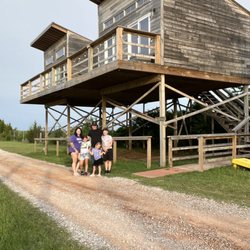
When we made our reservation, Bill kept recommending that we stay in one of the cabins because of our young kids. We ended up choosing the treehouse instead, and honestly I'm glad we did. We had an amazing view of fireworks going off all around us along with an incredible lightning show that night.
Driving in reminded me a lot of Texas Zoofari--you don't really know what to expect until you start seeing the signs and arrive at the property. Check-in was easy. They walked us to our treehouse, made sure everything worked, and answered any questions we had.
We immediately turned on the A/C, unpacked, and walked around the park for a bit. Since it was so hot, we headed back to the treehouse to let it cool down while we took a nap. Once it finally cooled off, we grilled hot dogs and made s'mores on the propane grill while watching the tigers play below us. That alone made for a really fun evening.
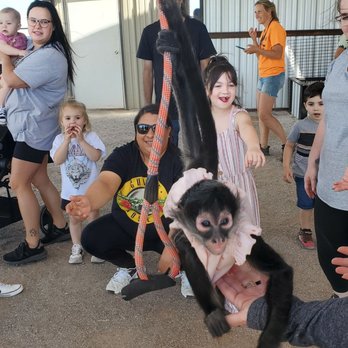
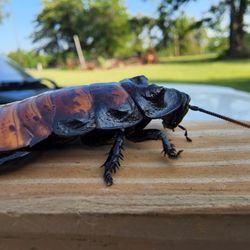
The Mega VIP experience was definitely worth it. We got to hold and interact with so many different animals. My girls were a little disappointed they didn't get to hold a monkey or lemur, but that's only because they've had that opportunity before at Canton Safari in Texas, so their expectations were a little high.
The treehouse was a fun experience for one night. If we stayed longer, though, I'd probably choose one of the cabins simply because of the bathroom setup.
A few suggestions that I think would make the experience even better:
* The shared bathrooms could definitely use A/C. They were extremely humid, and daily attention to emptying the trash, refilling soap, cleaning the sinks, and sweeping/mopping would make a big difference.
* During the summer, it would be nice if the A/C in the treehouses was turned on before guests arrived. We checked in around 2:00 p.m., and even after asking for a fan, it took over six hours before the treehouse became comfortable.
* Adding a lighter to each cabin or treehouse would be helpful so guests can use the propane fire pit. We made do by using the grill.
* I do think the tigers would benefit from a little more enrichment in their enclosures like you see at many accredited zoos. Other than that, every animal we saw appeared healthy, well cared for, and happy.
A huge shoutout to Bill for making my daughter's birthday extra special by surprising her with a stuffed tiger. That simple act absolutely made her day and meant so much to us.
Maggie, who is interning there, was incredibly knowledgeable, friendly, and personable. She answered all of our questions and made the experience even better.
The other three ladies working there were also incredibly kind and made sure we had everything we needed throughout our stay.
Overall, we had a wonderful experience. Don't let the negative reviews keep you from forming your own opinion. If your family enjoys hands-on animal encounters and making unique memories, I definitely recommend giving this hidden gem a chance.