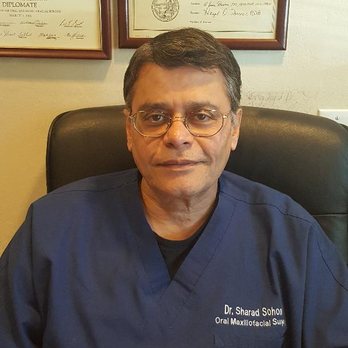
Dr. Sohoni performed the removal of four of my wisdom teeth on 10/2. I initially selected Dr. Sohoni because he was in-network for my dental insurance plan and had received good reviews on Yelp from previous patients.
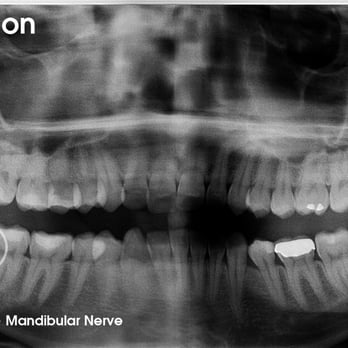
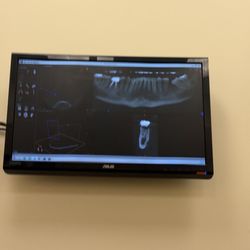
During my initial visit with Dr. Sohoni, he reviewed X-rays that my dentist had performed and I believe also did a second set at his office. He explained candidly the risks associated with a bottom tooth close to the nerve. He explained that in some situations they will merely take off the top of the tooth and leave the root intact to avoid risk of nerve damage. How a surgeon handles these types of situations is important. A family member of mine had face numbness for several months after a poorly executed wisdom tooth removal, it is a really unpleasant outcome. Based on his explanation I felt confident that Dr. Sohoni would know how to handle this risk. For the top two teeth, he explained the pros and cons of removal as they were somewhat high. In the end, I decided to take all four out since it was likely the top would come down at some point in the future. I was happy that he took the time to surface this decision to me, rather than opting for all four by default.
His staff were helpful in checking on the cost of the procedure with my insurance plan. I had no out of pocket costs for the procedure. Other patients have complained about this, but so far my bill is consistent with the information they provided. My insurance covered about 80% of the charge amount, and my EOB states of the other 20% "CHARGES ARE REDUCED BY $509.00. THE PATIENT IS RESPONSIBLE FOR $.00." I'll continue to watch for unexpected charges, but I don't foresee any issues based on the information from my insurance company (Principal Dental) provided.
Prior to surgery, my mom, a former ICU nurse, was active in ensuring standard surgical SOP's were in place. I believe that Dr. Sohoni's team did a good job following standard medical checklists for preparing and executing the procedure. In particular, I was receiving general anesthesia (including propofol) to ensure that I would not move while they were extracting the tooth close to the nerve. Given the extra risks involved in general we checked that
1) there would be an anesthesiologist MD in the room the team
2) the team would be using the pulse oximeter at all times during the procedure.
#1 is important because although most oral surgeons who perform general anesthesia on their own are licensed and have no safety issues, an anesthesiologist has far more training in handling emergency situations. The added bonus is that their only job is to keep you alive while the surgeon is focused on other things.
#2 is important because the pulse oximeter keeps tabs on your blood oxygen level so the team can take action if you dip too low and are at risk of cardiac arrest. Recent cases of young people dying during oral surgery are likely related to a lapse in the pulse oximeter monitoring (ex: someone forgot to turn it on).
Dr. Sohoni was very gracious during our extensive Q&A period and additional medical quizzing and answered my mom's questions patiently. During the procedure as I was going under I heard him tell the team "keep that pulse oximeter on!" I felt much better going into the procedure because I felt the team was responsive to my concerns.
Following the procedure, Dr. Sohoni's staff called to follow up and answer my questions, and during a follow up appointment provided the necessary sanitation syringe for post-procedure care. At one point when one of the stitches opened to reveal a gap in the back of my mouth (a common outcome during the healing process), I was concerned and sent a picture to their office. They promptly addressed my concerns.
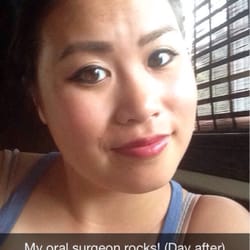
Finally, I had an extremely smooth recovery with nearly no swelling and little need for the hydrocodone prescription for pain. This was much better than I expected, and appreciated that everything went so smoothly. read more