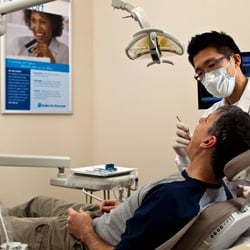
Services - Paul Helsby, DDS
Cavity treatment
Dental exams
Tooth filling replacement or repair
Paul Helsby, DDS Photos


You might also consider


More like Paul Helsby, DDS
Recommended Reviews - Paul Helsby, DDS
Start your review...



9 years ago
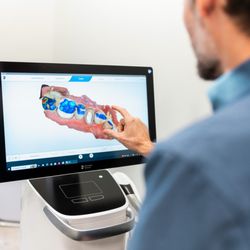
This office totally deserve a five star rating!! I'm Completely pleased with my treatment in the dentist office. I had been in for a cleaning then took my 12 yr old daughter also and was very happy with EVERY part of the appointment. I was able to sit right next to her . I recently had my old silver colored fillings removed and replaced with ones that matched my tooth color and the process went smoothly. It wasn't for vanity, my teeth were starting to crack (I'm not a spring chicken). The technology in the office is top notch and the staff is very friendly, knowledgeable and professional. So pleased with the husband and wife team. They let you know what's going on every step of the way and they don't try to over sell you on extras. I only wish I had found them sooner. read more


6 years ago

10 years ago
15 years ago

11 years ago

10 years ago

13 years ago
10 years ago
More info about Paul Helsby, DDS
Winter Park, FL 32792
Directions
(407) 678-1601
Call Now
Hours
Payment methods
Other Amenities
From the Business