North Toronto Eye Care
Services - North Toronto Eye Care
Laser vision correction
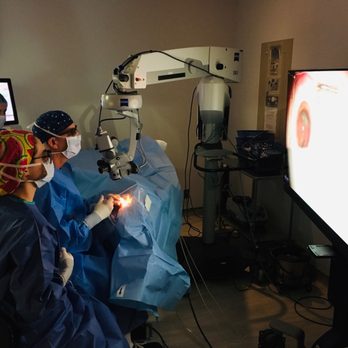
Eye surgery
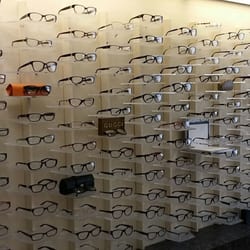
North Toronto Eye Care Photos

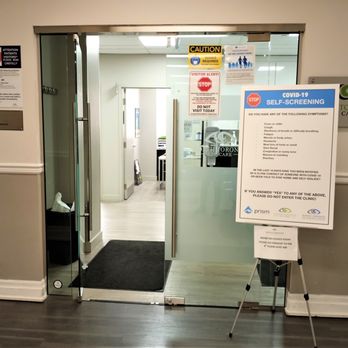

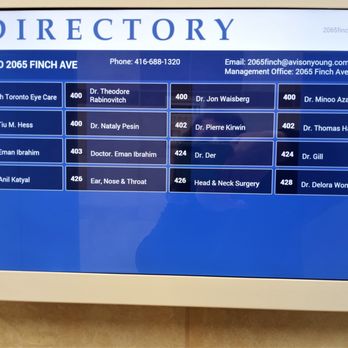




You might also consider


More like North Toronto Eye Care
Recommended Reviews - North Toronto Eye Care
Start your review...


Reviews With Photos

I was diagnosed with Fuchs Corneal Dystrophy by my optometrist. When I asked the optometrist what options I have, the doctor categorically said "suffer"! I later went to Dr. Farah Moti who treated me with Lotemax Suspension Drops and Fluorometholone drops. I was even treated with some laser procedure without explaining how that would help with Fuchs Corneal Dystrophy. After several visits this doctor prescribed Refresh eye drops to be used when watching TV. I decided to do some research, and this is what was found: 1. Lotemax Suspension Drops (Loteprednol etabonate) * Class: Corticosteroid (anti-inflammatory). * Use: Lotemax is primarily used to reduce inflammation. In the context of Fuchs Corneal Dystrophy, it may be prescribed if there is associated inflammation, but it's not the first-line treatment for the dystrophy itself. * Potential role in Fuchs Corneal Dystrophy: Though corticosteroids like Lotemax are not typically used to treat the corneal swelling caused by Fuchs, they may be used to manage any concurrent inflammation or eye irritation. However, corticosteroids should be used cautiously, as they can potentially worsen corneal edema (swelling) if used improperly. 2. Fluorometholone Drops (Fluorometholone) * Class: Corticosteroid (anti-inflammatory). * Use: Like Lotemax, fluorometholone is an anti-inflammatory steroid used to treat eye conditions involving inflammation. * Potential role in Fuchs Corneal Dystrophy: As with Lotemax, corticosteroids like Fluorometholone may be used to manage inflammation that could accompany Fuchs Corneal Dystrophy, but they do not directly treat the root cause of corneal edema. These should be used carefully, as long-term steroid use can worsen corneal swelling and complications. I sought a second opinion in another country, and the ophthalmologist there prescribed Sodium Chloride Eye Drops (Hypertonic saline) * Class: Osmotic agent. * Use: Sodium chloride eye drops are hypertonic, meaning they draw fluid out of the cornea to reduce swelling. They are commonly used in the treatment of Fuchs Corneal Dystrophy. * Potential role in Fuchs Corneal Dystrophy: These drops are the most directly relevant to treating Fuchs Corneal Dystrophy. The hypertonic saline works by helping to reduce corneal edema, which is the hallmark of Fuchs Corneal Dystrophy. They help to reduce the fluid buildup in the cornea, improving vision and reducing discomfort. Sodium chloride drops are often used as the first line of treatment for this condition. Conclusion: Best Drops for Treating Fuchs Corneal Dystrophy: * Sodium Chloride Eye Drops are typically the best choice for managing Fuchs Corneal Dystrophy. They help to reduce the swelling in the cornea, which is a key issue in this condition. These are commonly prescribed to alleviate the symptoms and improve vision. * Steroid drops (Lotemax, Fluorometholone) are not usually first-line treatments for Fuchs Corneal Dystrophy itself. They are generally used for managing inflammation and other associated conditions but should be used cautiously due to their potential to worsen corneal edema if used long-term. Summary: * For Fuchs Corneal Dystrophy, Sodium Chloride (hypertonic saline) eye drops are considered the most effective for managing corneal swelling. Corticosteroid drops like Lotemax and Fluorometholone are useful for inflammation but should be used with caution. Refresh eye drops is not a primary treatment for Fuchs but may help manage concurrent dry eye symptoms. Always consult with an ophthalmologist to determine the best treatment approach for individual cases. For more information on this topic, you can go do my FB posting: https://www.facebook.com/share/p/187ADcKvF9/ and also my blog: www.info2write.com.


3.5 stars. I've been here three times. The first time, the sign in the elevator said to go to suite 503 for check-in. When I got to suite 503, the sign said they are closed and directed me to the main suite 400. The sign outside suite 400 said unit 503 is closed. Seriously? Thanks for letting me know, but it's useless since we all see the sign in the elevator which misdirects us before we make our way to suite 400. The receptionists were too busy discussing their personal lives and where to go for coffee to acknowledge me for a long time. Once I was directed to the waiting room, I was called in for a test and was out very quickly. The second visit required a very long wait! Every patient who came in after I did was called in before me. Some people came in 40 minutes after me and did not have to wait at all. Soon after questioning this, my turn came. Dr Gary Yau was knowledgeable and professional. My torn retina was repaired in less than 10 minutes. My third and final visit for a 2-minute follow-up with Dr Yau took about an hour including wait time. I knew he was only going to examine my right eye so I asked if the assistant could skip the pupil dilating drop in my left eye. She reluctantly agreed. As expected my left eye wasn't looked at by the eye surgeon. I wish I had made that request on my second appointment because it took hours for the blurriness to go away in the eye the doctor never looked at. Be prepared for several phone calls confirming your appointment. Even when I responded to the automated call, I received one or two more calls for each appointment. The cost to park is $7 whether you're there for 30 minutes or several hours. The email sent from North Toronto Eye Care says the maximum parking charge is $5. I suppose it hasn't been updated in a while. Traffic along Finch Ave is terrible because of construction on the Finch LRT. I know this isn't the eye clinic's fault but leave plenty of time to navigate around Finch. read more


20 days ago
1 month ago
1 year ago
I was diagnosed with Fuchs Corneal Dystrophy by my optometrist. When I asked the optometrist what options I have, the doctor categorically said "suffer"! I later went to Dr. Farah Moti who treated me with Lotemax Suspension Drops and Fluorometholone drops. I was even treated with some laser procedure without explaining how that would help with Fuchs Corneal Dystrophy. After several visits this doctor prescribed Refresh eye drops to be used when watching TV. I decided to do some research, and this is what was found: 1. Lotemax Suspension Drops (Loteprednol etabonate) * Class: Corticosteroid (anti-inflammatory). * Use: Lotemax is primarily used to reduce inflammation. In the context of Fuchs Corneal Dystrophy, it may be prescribed if there is associated inflammation, but it's not the first-line treatment for the dystrophy itself. * Potential role in Fuchs Corneal Dystrophy: Though corticosteroids like Lotemax are not typically used to treat the corneal swelling caused by Fuchs, they may be used to manage any concurrent inflammation or eye irritation. However, corticosteroids should be used cautiously, as they can potentially worsen corneal edema (swelling) if used improperly. 2. Fluorometholone Drops (Fluorometholone) * Class: Corticosteroid (anti-inflammatory). * Use: Like Lotemax, fluorometholone is an anti-inflammatory steroid used to treat eye conditions involving inflammation. * Potential role in Fuchs Corneal Dystrophy: As with Lotemax, corticosteroids like Fluorometholone may be used to manage inflammation that could accompany Fuchs Corneal Dystrophy, but they do not directly treat the root cause of corneal edema. These should be used carefully, as long-term steroid use can worsen corneal swelling and complications. I sought a second opinion in another country, and the ophthalmologist there prescribed Sodium Chloride Eye Drops (Hypertonic saline) * Class: Osmotic agent. * Use: Sodium chloride eye drops are hypertonic, meaning they draw fluid out of the cornea to reduce swelling. They are commonly used in the treatment of Fuchs Corneal Dystrophy. * Potential role in Fuchs Corneal Dystrophy: These drops are the most directly relevant to treating Fuchs Corneal Dystrophy. The hypertonic saline works by helping to reduce corneal edema, which is the hallmark of Fuchs Corneal Dystrophy. They help to reduce the fluid buildup in the cornea, improving vision and reducing discomfort. Sodium chloride drops are often used as the first line of treatment for this condition. Conclusion: Best Drops for Treating Fuchs Corneal Dystrophy: * Sodium Chloride Eye Drops are typically the best choice for managing Fuchs Corneal Dystrophy. They help to reduce the swelling in the cornea, which is a key issue in this condition. These are commonly prescribed to alleviate the symptoms and improve vision. * Steroid drops (Lotemax, Fluorometholone) are not usually first-line treatments for Fuchs Corneal Dystrophy itself. They are generally used for managing inflammation and other associated conditions but should be used cautiously due to their potential to worsen corneal edema if used long-term. Summary: * For Fuchs Corneal Dystrophy, Sodium Chloride (hypertonic saline) eye drops are considered the most effective for managing corneal swelling. Corticosteroid drops like Lotemax and Fluorometholone are useful for inflammation but should be used with caution. Refresh eye drops is not a primary treatment for Fuchs but may help manage concurrent dry eye symptoms. Always consult with an ophthalmologist to determine the best treatment approach for individual cases. For more information on this topic, you can go do my FB posting: https://www.facebook.com/share/p/187ADcKvF9/ and also my blog: www.info2write.com. read more
7 months ago
2 years ago
2 years ago
3 years ago

7 years ago
Business owner information

Caitlin S.
Good afternoon Janice,…

They really need to do something about checking in. There is always an insane line up. Talk about a bad customer experience. Doctors are the only redeeming factor. There are some really good ones here. But the line ups are longer than Costco. Just ridiculous. Doctors are great though and that's the redeeming factor . read more

Business owner information
Caitlin S.
Good afternoon Joe,…
6 years ago
5 years ago
7 years ago

7 years ago
6 years ago
7 years ago
5 years ago
4 years ago
8 years ago

9 years ago
11 years ago
7 years ago
7 years ago
Business owner information
Caitlin S.
Good morning Just,…
6 years ago
10 years ago
9 years ago
9 years ago
10 years ago
10 years ago
10 years ago
More info about North Toronto Eye Care
2065 Finch Avenue W
Suite 400
Toronto, ON M3N 2V7
Canada
Directions
(416) 748-2020
Call Now
Visit Website
http://www.northtorontoeyecare.com
Hours
Other Amenities
From the Business
Review Highlights - North Toronto Eye Care
You might also consider












Why does Yelp recommend reviews?
1 review that is not currently recommended
The reviews below are not factored into the business's overall star rating.
6 years ago
North Toronto Eye Care - laserlasikeyes - Updated May 2026
People found North Toronto Eye Care by searching for…
Cataract Surgery in Toronto, ON
Retina Specialists in Toronto, ON
Walk in Eye Clinic in Toronto, ON
House Call Doctor in Toronto, ON
Ophthalmologist in Toronto, ON
Diabetes Doctor in Toronto, ON
Family Doctor Accepting New Patients in Toronto, ON
Same Day Glasses in Toronto, ON
Glaucoma Doctors in Toronto, ON
Glaucoma Specialists in Toronto, ON
Osteopathic Physicians in Toronto, ON
Vascular Surgeon in Toronto, ON
Oculoplastic Surgeon in Toronto, ON
Browse Brands
Browse Articles
People who viewed North Toronto Eye Care also viewed
Kensington Eye Institute
12 reviews
Galvin Patricia A Dr Optometrist
2 reviews
Bayview Village

Finch Avenue Optometry
18 reviews
Willowdale

Toronto Eye Care
13 reviews
Yorkville, Downtown Core
$$$

University Eye Clinic
38 reviews
Downtown Core

Archie Chung & Associates Optometrists
18 reviews
Downtown Core
$$

TLC Laser Eye Centres
18 reviews
Yonge and Eglinton, Mount Pleasant and Davisville
Dr. Christakis Eye Associates
7 reviews
Riverdale

Herzig Eye Institute
20 reviews
Yorkville