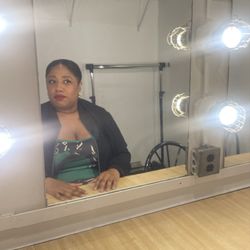
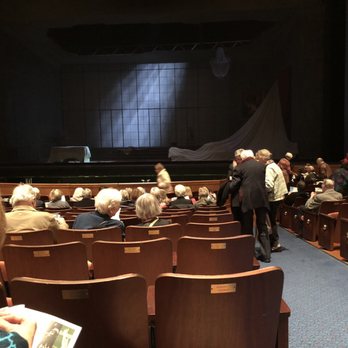
Minnesota Opera Photos


You might also consider


More like Minnesota Opera
Recommended Reviews - Minnesota Opera
Start your review...



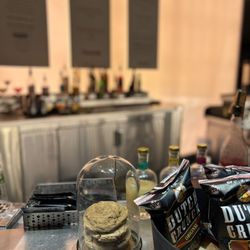
About five years ago I saw Turandot here and I've been a fan ever since. I grant I am not a highly knowledgeable attendee. I love theatre, and I know much more about theatre than I am ever likely to know on opera. In a few of the past five years, I got the three opera season tickets ( you can also do four and five opera tickets) and I can honestly say I have not seen a bad show. The productions of The Magic Flute and Turandot were among my favorites. The modern opera, Dead Man Walking was simply amazing. It's great how you can pre order drinks and desserts for intermission, and seating is comfortable and reasonably spacious. For parking be prepared to walk a few blocks and to drop anyone needing assistance at the front door. The Ordway is of course surrounded by good places to eat and drink pre and post performance. I am unsure how I feel about their "Tempo" club, which offers steeply reduced B and below seat to those 45 and under and special events. It is supposedly to attract younger patrons as Opera fans but I think it carries its age range beyond students and the truly young in an unreasonable way. Opportunities for the "old" to save are mostly around poorer season tickets, it seems unbalanced and designed to attract prettier audience members. That said, if you are 45 or under and interested in trying opera, it's another incentive I grant. If you want to start slow on opera get yourself tickets to a modern opera like this seasons "The Fix", make sure to reserve that drink/desert for intermission and enjoy. It's a nice night out. read more

11 years ago
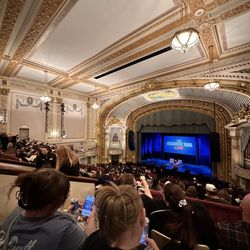
I got ticket to see a opera here couple weeks ago with my boyfriend who has always wanted to go. I purchased them online and sent by mail. Easy. No one told me that going too the opera you dress up like your going to the Oscars hahaha I just went with jeans heels and my northface same for my boyfriend minus the heels. Everyone looked so fancy we looked like were going to the bar Anyways we go to our seats and omg the seats are for like tiny ppl no room to move. My boyfriend was like wtf I cant let my friends get crushed down there. And the seats are so close to one another its a lil awkward. Other than that the show was great it was not in english subtitles were up on a lil screen so it was aannoying to look and read and look back at the actors I think it was in german. Lasted 2 hour long I couldnt feel my butt haha I am making it sound awful but really its not we are going back but prepared this time we will dress up like we millionaires and we will bring a butt pillow Good place to take a date my tickets were 25 each and the view is not bad at all. read more


8 years ago

4 years ago

9 years ago

17 years ago


16 years ago

17 years ago
5 years ago
9 years ago

10 years ago

15 years ago
15 years ago
15 years ago

11 years ago
11 years ago
15 years ago
15 years ago