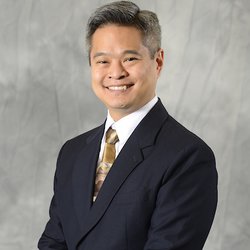
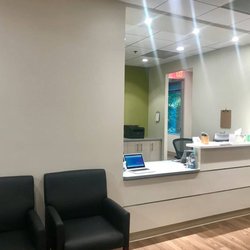
I transferred to Dr. Kim's practice this year, and unfortunately, my experience has been extremely…read moredisappointing.
The biggest issue has been the billing. We have repeatedly been charged for things we did not understand or expect, and unless we carefully review the charges and contact the office ourselves, the money simply gets taken. In some cases, after we questioned the charges, they were reversed or refunded. Once or twice might be understandable, but when it keeps happening, it becomes very difficult to trust the billing practices of the office.
My father has insurance and only saw Dr. Kim three times. His last visit was in April. Yet yesterday, months later, he was suddenly charged another $446. This is now the fourth time our family has had to deal with an unexpected charge from this office.
Patients should not have to constantly monitor their accounts, call the office, and ask, "Why was I charged this?"
My own experience with my thyroid medication has been even more frustrating.
When I first established care with Dr. Kim in June, I had blood work done and clearly told him that I have hypothyroidism and have been taking levothyroxine long term.
Naturally, I assumed that establishing care, reviewing my medical history, and doing blood work meant that my ongoing thyroid treatment would be properly managed.
Today, I finished the remaining medication that had been prescribed by my previous primary care doctor and discovered that Dr. Kim had never sent a refill for my levothyroxine and had actually discontinued the medication.
Now, in order to continue a medication I have already been taking long term, I am being told that I need to make another appointment and possibly have blood work done again.
So I genuinely have to ask: What was the purpose of the blood work I had done in June?
If a patient establishes care, clearly reports a chronic condition, provides their medication history, and already has blood work performed, why is there no proper continuity of care? Why does the patient only discover months later, after running out of medication, that the prescription was never continued?
And why does resolving something that should have been addressed during the original visit require another appointment, another possible blood draw, and potentially more charges?
For a chronic condition, medication continuity is one of the most basic parts of primary care.
Between the repeated unexpected billing issues and the lack of follow-through with my long-term medication, I have lost confidence in this practice. I strongly recommend that patients carefully review every bill, every charge, and every medication after visiting this office.