Fox Studio Lot Photos


You might also consider


More like Fox Studio Lot
Recommended Reviews - Fox Studio Lot
Start your review...


Reviews With Photos


I had been working on at least 3 different tv shows in the past year, using different stages for multiple sets, getting here in the morning might be an issue if you're stuck in the LA traffic, but I am always on time if not early :) Parking was plenty and accessible, the security team was super friendly, everyone on the production's team also nice to me. I noticed they had a screening room for guests, also a somewhat semi studio tour, although smaller than Universal and Warner Bros, catering was ok in some occasions, I just hate walkaway lunch, food at the cafeteria was expensive than most, but I enjoyed working here regardless


I absolutely loved coming here to Fox Studios! Andre at the front gate greeting me in started out the vibe to my productive lunch meeting off with incredible energy! To walk down the hallways where Marilyn Monroe, Shirley Temple, and so many other talented creatives roamed was such an honor and treat today. It's a city of so many amazing people. All so sweet and inviting which made my day very magical!


Visited Fox Studios, an active entertainment hub for production and post-production movies and TV shows, for a screening recently and enjoyed informally touring the grounds and theater. With 2 million square feet housing Fox corporate and production personnel, the facility has 15 sound stages, on-lot production services, dressing rooms, screening rooms, eateries, and post-production editing bays. Sights ranging from a New York lot to Simpsons and Star Wars murals abound. The process of getting onto the lot and screening was unusually confusing and tedious - the screening organizers could use some help - but the full-size theater was spacious and clean, and the screening was excellent.


Employees of the studio are most likely not to ever write a review because it's a conflict of interest and could impact job security. Rupert Murdock recently sold his share in this to Disney. That's a good thing. The only time I'm on this lot is to work. As an actor or a voice actor. Every experience is unique and enjoyable. And I look forward to the next.


After our lunch at the Fox Studio Commissary, my two friends and I continued our tour, walking around Fox Studios grounds. To gain access here, you have to know an employee that works here. Luckily, one of my friend's friend works here, and so he was able to get us in, yay! (Thanks again, B and my two friends, T&T!). Walking around Fox Studios lot, it was definitely fun and interesting. My friend, who used to work here, she gave us the rundown on which building she used to work, to where the Writers' House was, and to where different sets and buildings are here and used to be here. The grounds are clean and spacious, well-kept and lawns nicely manicured. I see a lot of employees bring out their lunches and chill wherever. Tons of nice places to hang out at. My two-favorite studio lots of course - The Simpsons and Family Guy, yay! It was nice seeing the lot from afar. Bummer, there were no voice-over actors walking out, hehe! Even though we didn't see any celebrities, we did run into two extras from Orville, who were gracious enough to let us take their pics. Hehe, we even ended up seeing them again when we got to the Orville lot. Overall, the Fox Studios tour that my friend gave us was pretty cool. Next time around, we're all hoping that when my friend's actual friend gets back, he can give us the real, in-depth tour. Until then, we had a fun time!


Loved the private screening of jojo rabbit. Great private theatre with comfortable seats and lots of space. The after cocktail party was nice and the staff were very attentive of the guest needs.


I love going to free PGA screenings at this lot. They have ample parking and nice staff. Enter on Pico!


1 month ago
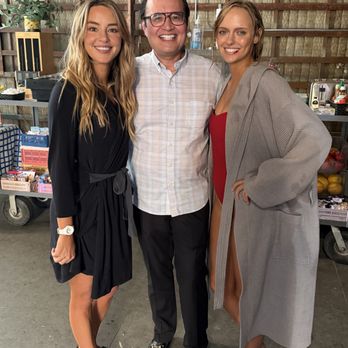
BAYWATCH - COMING TO YOUR LOCAL FOX STATION IN JANUARY 2027 Now that I've piqued your interest...time to relate one of the best experiences I've had in the last few years. On Thursday, July 23, 2026, I was privileged to have the opportunity to have a individual private tour of the set for the new Baywatch reboot during live rehearsals and a meet and greet with actress, Hassie Harrison. Big thanks to Fremantle, the British TV production and distribution company which also own the rights to other shows including The Price is Right and Family Feud and Range Media Partners which represents Ms. Harrison along with many other entertainment professionals. Making my way from my hotel in West Hollywood to the Fox Studio Lot in Century City was stress-free. After parking in the garage and waiting a few minutes, members of Fremantle Media escorted me first to get a coffee pick-me-up and a little later a walk to Studio 15 housing the Baywatch set. It was fascinating to see the many sets they had constructed on the premises and particularly the incredible detail and effort which was put into each one. I spent approximately three and half hours on the lot and I was never disinterested for a second...I was literally like a kid in a candy store...everything I saw and experienced intrigued me. Watching the actors go through their scenes multiple times and being afforded the opportunity to sit in a director's chair was fun to say the least. But of course, the best part was interacting with my hosts and eventually with Ms. Harrison herself. When we finally met, she gave me a big TEXAS HUG and we discussed her favorite charitable organization, Love Leo Rescue, based in Santa Monica, which is dedicated to saving abandoned and abused dogs. Ms. Harrison took me through the main set where they were filming that day and I was introduced to some of the other actors. Without a doubt, many photos were taken that day however, because the show hasn't even aired as of the date of this review, September 4, 2026, I can't post any pictures involving the set for obvious reasons. But the ones I can will certainly do! Again, a gracious thanks to Fox; Fremantle and Emma H, Ron D., and Lisa P; Range Media Partners and Rachel K; and of course to both actresses Hassie Harrison and Jessica Belkin! IT WAS A DAY TO REMEMBER! YOU GUYS ROCK! read more

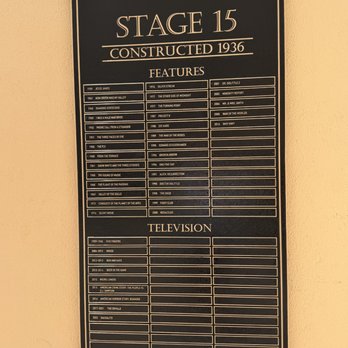




78° and sunny. Not a bad day to be on the Fox lot. Love taking lunch meetings here. Feels like the Golden Era of showbiz. The food here is actually pretty good and affordable. The studio prefers staff to lunch on the lot to minimize travel time and maximize productivity. read more


### 2023 review 58/100 ### Always fun to visit the studio lot during FYC screening season. Detailed instructions on gate entry and parking are emailed ahead of screening day. Get ID ready to check-in at the gate with security. read more
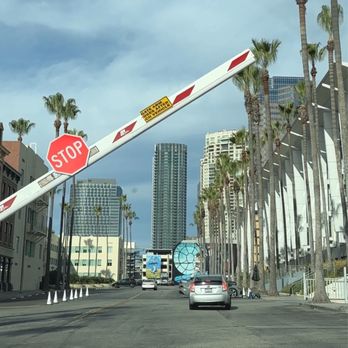


I had been working on at least 3 different tv shows in the past year, using different stages for multiple sets, getting here in the morning might be an issue if you're stuck in the LA traffic, but I am always on time if not early :) Parking was plenty and accessible, the security team was super friendly, everyone on the production's team also nice to me. I noticed they had a screening room for guests, also a somewhat semi studio tour, although smaller than Universal and Warner Bros, catering was ok in some occasions, I just hate walkaway lunch, food at the cafeteria was expensive than most, but I enjoyed working here regardless read more

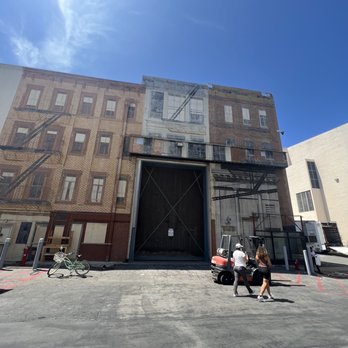

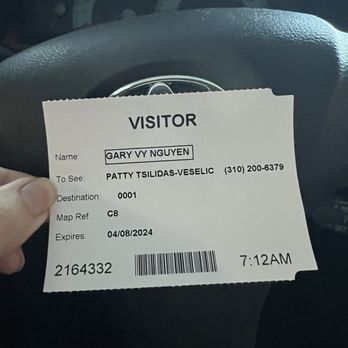


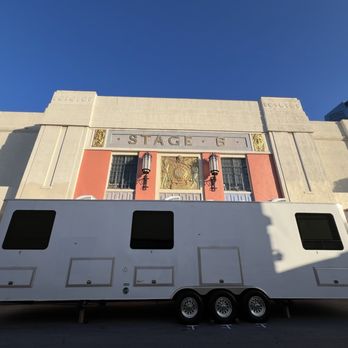

I absolutely loved coming here to Fox Studios! Andre at the front gate greeting me in started out the vibe to my productive lunch meeting off with incredible energy! To walk down the hallways where Marilyn Monroe, Shirley Temple, and so many other talented creatives roamed was such an honor and treat today. It's a city of so many amazing people. All so sweet and inviting which made my day very magical! read more
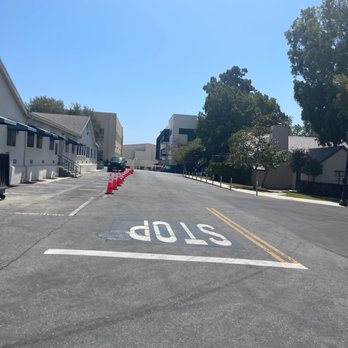
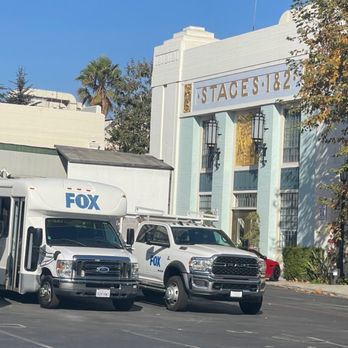

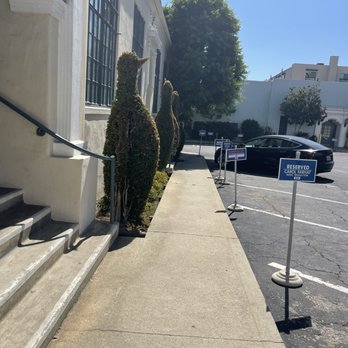

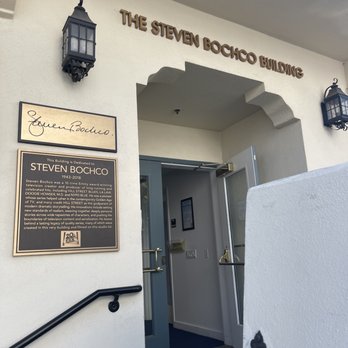


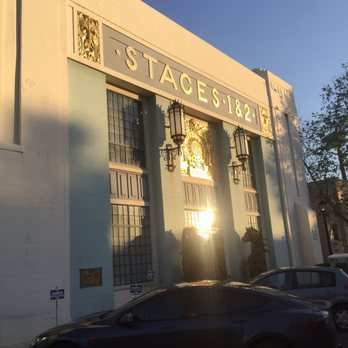
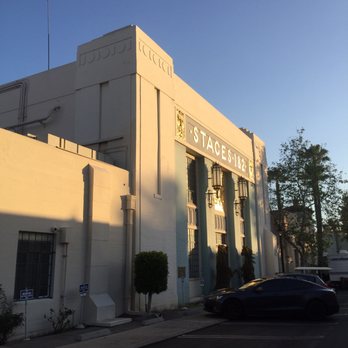
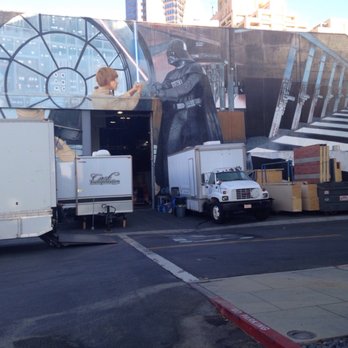
Visited Fox Studios, an active entertainment hub for production and post-production movies and TV shows, for a screening recently and enjoyed informally touring the grounds and theater. With 2 million square feet housing Fox corporate and production personnel, the facility has 15 sound stages, on-lot production services, dressing rooms, screening rooms, eateries, and post-production editing bays. Sights ranging from a New York lot to Simpsons and Star Wars murals abound. The process of getting onto the lot and screening was unusually confusing and tedious - the screening organizers could use some help - but the full-size theater was spacious and clean, and the screening was excellent. read more

9 years ago
Employees of the studio are most likely not to ever write a review because it's a conflict of interest and could impact job security. Rupert Murdock recently sold his share in this to Disney. That's a good thing. The only time I'm on this lot is to work. As an actor or a voice actor. Every experience is unique and enjoyable. And I look forward to the next. read more
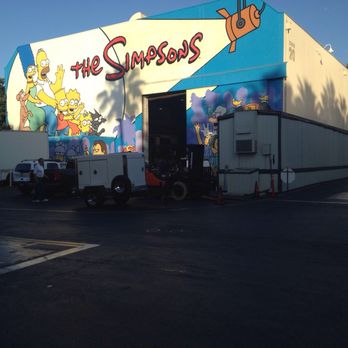

After our lunch at the Fox Studio Commissary, my two friends and I continued our tour, walking around Fox Studios grounds. To gain access here, you have to know an employee that works here. Luckily, one of my friend's friend works here, and so he was able to get us in, yay! (Thanks again, B and my two friends, T&T!). Walking around Fox Studios lot, it was definitely fun and interesting. My friend, who used to work here, she gave us the rundown on which building she used to work, to where the Writers' House was, and to where different sets and buildings are here and used to be here. The grounds are clean and spacious, well-kept and lawns nicely manicured. I see a lot of employees bring out their lunches and chill wherever. Tons of nice places to hang out at. My two-favorite studio lots of course - The Simpsons and Family Guy, yay! It was nice seeing the lot from afar. Bummer, there were no voice-over actors walking out, hehe! Even though we didn't see any celebrities, we did run into two extras from Orville, who were gracious enough to let us take their pics. Hehe, we even ended up seeing them again when we got to the Orville lot. Overall, the Fox Studios tour that my friend gave us was pretty cool. Next time around, we're all hoping that when my friend's actual friend gets back, he can give us the real, in-depth tour. Until then, we had a fun time! read more
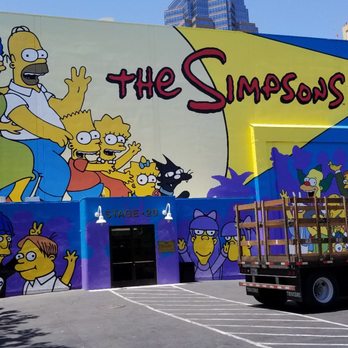

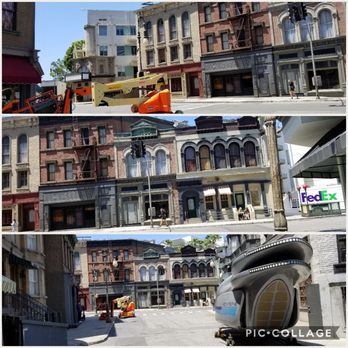
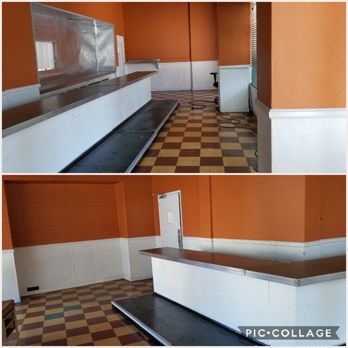


7 years ago

4 years ago




7 years ago


8 years ago


17 years ago

12 years ago

15 years ago

15 years ago


11 years ago

9 years ago
Warning! Do not get on the shuttle with this rude obnoxious trashy shuttle driver(pictured). She starts screaming at me about how this is the last time she is going to pick me up and how dangerous it is to get into a moving shuttle. What? A. Why didn't she just tell me she couldn't pick me up 10ft away from the designated area? It would of been over. B. She stopped the shuttle to let me on, so how did I jump into the shuttle while it was moving? I asked whats with all the rude behavior and she didn't like that at all. Arguing with me and stating "you can get out" "you can walk if you like" completely unprofessional and trashy. I replied so you're going to let me out in the middle of the street? Ms. Rude then says , no I would let you out at a safe spot. Oh how kind of you. Yelling at me because I wasn't a Fox employee with a badge. Because I wasn't an employee of Fox you can treat someone like dirt? Its not good enough if you worked on the lot that day so be ready to get the navy seal instructor treatment. A complete joke and why is she in this position? Send her to anger management class. Horrible! read more


17 years ago

9 years ago


15 years ago

15 years ago


11 years ago

13 years ago

17 years ago

17 years ago
10 years ago
15 years ago
14 years ago