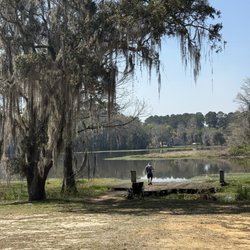
St. Marks, Florida. Late March, 2025. We were on a road trip, visiting the southeastern corner of…read morethe US. We saw the sign for the St. Marks National Wildlife Refuge, and just had to stop. For those unaware, the National Refuge System (System) is an extensive network of lands and waters protected and managed by the U.S. Fish and Wildlife Service, especially for wildlife and its habitat. There are over 560 refuges, stretching from above the Arctic Circle in Alaska to the subtropical waters of the Florida Keys.
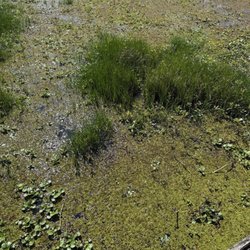
The St. Marks Refuge was established in 1931 to provide winter habitat for migratory birds, and is one of the oldest refuges in the System. It encompasses about 86 thousand acres, and includes about 43 miles of north Florida's Gulf coast. About 350 thousand visitors come to St. Marks NWS each year to birdwatch, photograph, hike, fish, picnic, hunt, bike, and relax.
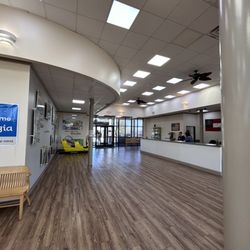
We only touched the surface of what was available to do at the refuge. *We stopped at the Visitor Center, where you can pick up maps and view displays about Refuge wildlife and habitats. *We drove Lighthouse Road, which is a slow-moving 7-mile road which connects the Visitor Center to the historic St. Marks Lighthouse at the end of the road. (See my separate listing on Yelp). The road is shared by people in cars and on bike who are hopeful to spot migratory birds, monarch butterflies, and even alligators. *We parked at the Lighthouse (which was closed to visitors), walking around the short paths there, and taking photographs of the lighthouse and surrounding waters.
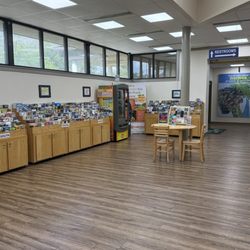
Note that this is a fee-area, and entrance fees are required of all Refuge visitors traveling behind the Visitor Center on Lighthouse Road. Passes are accepted. You can also support your national refuge by supporting the Nature Store, where you can buy field guides, postcards, t-shirts, sunscreen, insect repellant, and more.