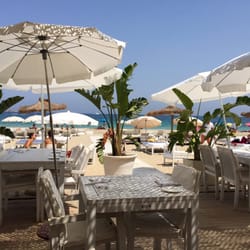
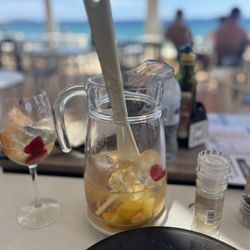
Downtown Ibiza Photos


DOWNTOWN IBIZA ATMOSPHERE
What's the vibe?

Recommended Reviews - Downtown Ibiza
Start your review...

Reviews With Photos


Great restaurants, great food, cool ambiance, also many shopping choices. The gay area started to be busy after 11 pm.


3 months ago
This quaint little island is resort style during the day but it surely comes alive at night until the wee hours of the morning. From the cruiseport, it is a short shuttle bus into town where there are wonderful places to eat, drink, and party. The landscape has many colorful flowers and tropical beauty. Within the old walled in town, the medieval city has many cobblestone streets leading to the Ibiza Cathedral, and the Castle of Ibiza, with so many great views. The summertime is very humid and the tourists flock to this city as a fun vacation town. In the marina, the sailboats and mega yacht are beautiful as a landscape. So much money! I enjoyed my visit but definitely prefer coming at a quieter time. read more


4 months ago
The downtown Ibiza market scene, centered around Ibiza Town's port, La Marina, and the surrounding streets, is a lively blend of street vendors l, boutiques, and late-night shopping culture. Walking through the area feels like stepping into a live street festival. The narrow streets are populated with artisan kiosks, souvenir stands, and small independent shops, selling everything from handmade jewelry and bohemian clothing to accessories and Ibiza-themed items During the summer, many shops stay open until midnight, and the whole area comes alive with music, lights, and crowds moving between bars, restaurants, and clubs. Cool Ibiza experience... read more


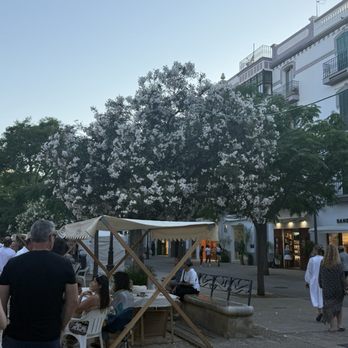


2 months ago
Great restaurants, great food, cool ambiance, also many shopping choices. The gay area started to be busy after 11 pm. read more


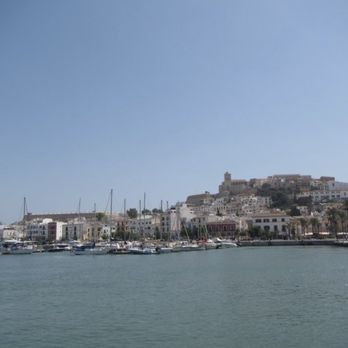
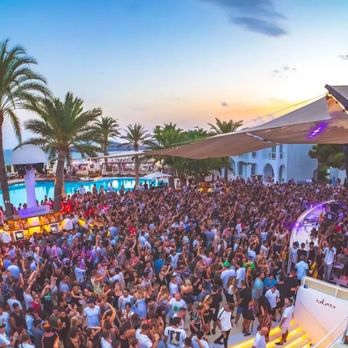
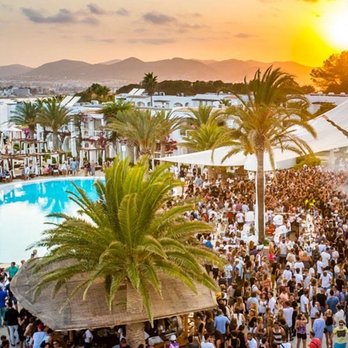
Downtown Ibiza is located in the city of Ibiza which is the capital of Ibiza Island, one of Spain's Balearic Islands in the Mediterranean Sea. Downtown Ibiza is known for its lively nightlife scene, and many European nightclubs have summer outposts there. South of the center, Ses Figueretes and Platja d'en Bossa are some top notch white-sand beaches. Above the harbor is the old quarter of Dalt Vila, with the Gothic-style Catedral de Santa María and views from Renaissance-era fortifications. Dalt Vila's main gate is the 16th-century Ses Taules, with a long entry ramp. The old Casa de La Cúria building hosts a museum of local history. The Museum of Contemporary Art houses work by local and international artists in both old and modern buildings. West of the old town, the Puig des Molins tombs are evidence of Phoenician inhabitants from the 7th century B.C. Ibiza is considered to be a popular tourist destination, especially due to its well-known and at times riotous nightclub-based nightlife centred on two areas: Ibiza Town, the island's capital on the southern shore and Sant Antoni to the west. Nightlife in Ibiza has undergone several changes since the island's opening to international tourism in the late 1950s. Origins of today's club culture may be traced back to hippie gatherings held during the 1960s and 1970s. During these, people of various nationalities sharing the hippie ethos would regroup, talk, play music and occasionally take recreational substances. These would most often happen on beaches during the day, with nude bathing a common sight, and in rented country estates in the evenings or at nights. In recent years, during the summer, top producers and DJs in dance music come to the island and play at the various clubs, in between touring to other international destinations. Some of the most famous DJs run their own weekly nights around the island. Many of these DJs use Ibiza as an outlet for presenting new songs within the house, trance and techno genres of electronic dance music. The island has achieved fame as a cultural centre for house and trance in particular, with its name often being used as a partial metonym for the particular flavour of electronic music originating there, much like Goa in India. Since 2005, the live music event Ibiza Rocks has changed perceptions of the Ibiza party landscape. Bands such as Arctic Monkeys, Kasabian, The Prodigy and the Kaiser Chiefs have played in the courtyard of the Ibiza Rocks Hotel. The season traditionally begins at the end of May, where Opening Parties take place at Ibiza's clubs over the course of a three-week period. Opening Parties normally coincide with the culmination of the International Music Summit, a three-day conference which has taken place on the island every year since 2008. The first clubs that host opening parties are normally Amnesia, Privilege, Ushuaia and Hi Ibiza. Closing Parties signal the end of the clubbing season, taking place at the end of September and into the first two weeks of October. Nearly all of Ibiza's clubs remain shut during the winter until reopening the following summer. A typical schedule for clubbers going to Ibiza includes waking at noon, early evening naps, late night clubbing, and "disco sunrises". Due to Ibiza's notable tolerance towards the misbehaviour of young adult tourists, it has acquired the sobriquet "Gomorrah of the Med". Also well known is Café del Mar, a long-standing bar where many tourists traditionally view the sunset made famous by José Padilla, who has released more than a dozen eponymous album compilations of ambient music played at the location. That and other bars nearby have become an increasingly popular venue for club pre-parties after sunset, hosting popular DJ performers, such as Benny Benassi, Steve Aoiki, David Guetta, Armin Van Buuren, Calvin Harris, Carl Cox and Green Velvet. The Castle of Ibiza, or Castell d'Eivissa in Catalan, is the heart of the island of Ibiza. The castle grounds are located at the top of the fortified Upper Town. The castle is comprised of numerous buildings that include the Tower of Homage, the 8th century Almudaina, the governor's home and the 18th century infantry barracks. The original foundations of the castle were created in the 12th century, though additions and restorations were continued for hundreds of years. Reconstruction efforts have been primarily focused on the Sant Jaume Bastion and the Sant Pere Bastion. Each of these bastions offer exhibitions that are open to the public. The Sant Jaume Bastion is now a military museum. It houses a weapons exhibition with a focus on military technology from the 16th and 18th centuries. The Sant Pere Bastion shows the history of the castle. Tourists can see how the city wall was built through an audio visual display. read more






More info about Downtown Ibiza
Passeig de Joan Carles I, 17
07800 Ibiza
Spain
Directions
971 599 050
Call Now
Visit Website
http://www.cipriani.com
Hours
Food & Alcohol
Outdoor Amenities
Other Amenities