Specialties
Conservation Corps North Bay (CCNB) is a paid job training program that helps young adults navigate barriers to achieve their career goals.
Corpsmembers at CCNB simultaneously earn a paycheck, work toward their diploma, and receive supportive services. Four days each week are dedicated to paid job training on natural resources and zero waste projects, including fire fuel reduction, invasive species removal, trail maintenance, recycling collection, and much more. Members who have not yet graduated high school supplement this work experience through enrollment in John Muir Charter School, with class sessions in the evening and on Fridays, and work steadily toward their diploma. Additionally, all corpsmembers take part in CCNB’s Career Pathways programming, which includes one-on-one coaching, weekly skill development workshops, career exploration, and job placement support. This comprehensive suite of services acts as a launching pad for corpsmembers, preparing them to enter a living-wage career and become active members of the communities in which they live.
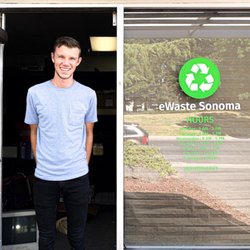
Free mattress, e-waste, and tire recycling in Santa Rosa — no fees, ever. Drop off TVs, computers, mattresses, tires, bottles & cans, plastic wrap, and more at our Airway Drive facility in Santa Rosa. We’re a local nonprofit employing young adults in environmental careers. See listing for fours. No appointment needed for most materials — tires require booking online. One stop. All free.
History
Established in 1982.
CCNB was founded by former Deputy Secretary for California's Natural Resources Agency, Richard Hammond. Hammond and a group of forward-thinking Marin County youth and environmental advocates began CCNB looking to address two critically important needs—the need to engage youth in work, education, and service, and the need to steward the environment.
Since its founding, CCNB has helped thousands of young people achieve their goals while providing meaningful service to the environment and community members in Sonoma and Marin counties. Utilizing our knowledge of our community and ability to adapt our work based on emerging gaps that our services could support, our program has evolved from the grass-roots movement in the early 80s that connected local high school students to service projects into a workforce development program with expertise in helping under-resourced young adults navigate systemic barriers to accomplishing their career goals and establish economic mobility.