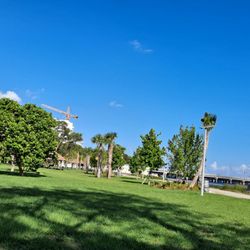
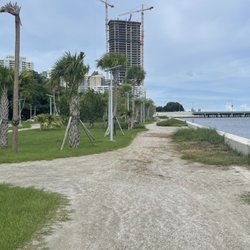
Castellow Hammock Photos


You might also consider


More like Castellow Hammock
Recommended Reviews - Castellow Hammock
Start your review...


Reviews With Photos


Found this place by accident -- we went to Knaus Berry Farm for some delicioso shakes. This is as rustic as you get. Lots of trees, tree roots, and rocks. Makes for a pleasant 45 min hike (Roundtrip). Glad we came on an overcast day with howling wind.... we brought our own spooky music - LOL


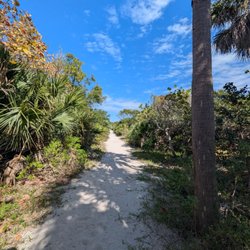
This is a fun park to go exploring. They have restrooms and a picnic area by the parking lot. The trail is well marked, but does get rocky with coral. Wear good walking shoes. the path is marked with yellow paint on trees and numbered wood posts. You get to a point on the path that loops you back along the same route you took to get into the trail. You will see the numbers go back down to Zero. It is a shaded path.


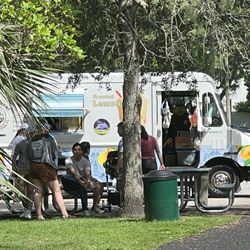
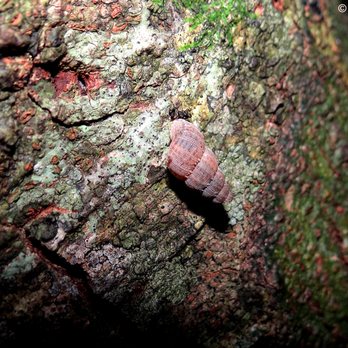
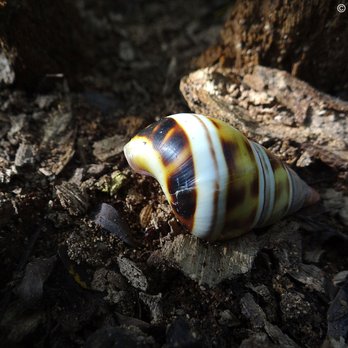
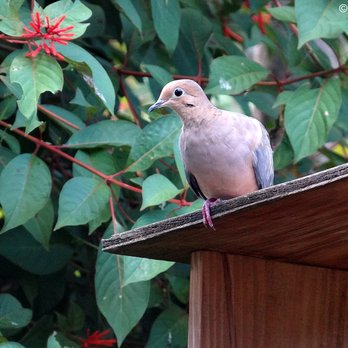
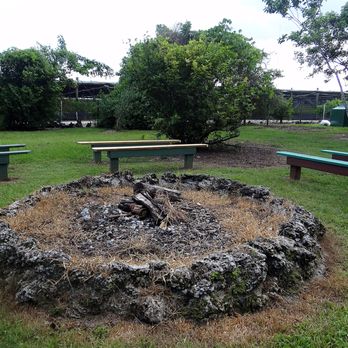
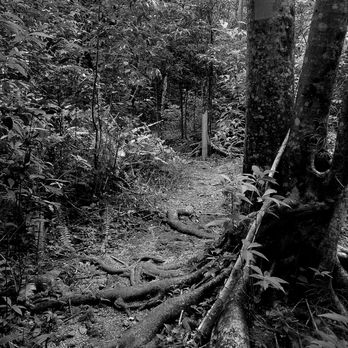
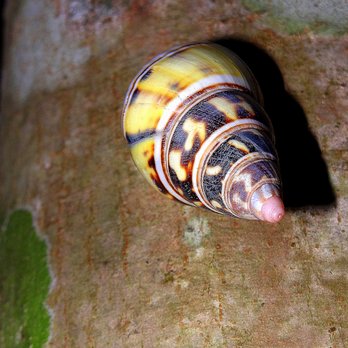
I came here in mid-September for Miami Blue's "Butterfly & Bird Day," a free event to bring awareness to conservation and preservation of the natural resources in South Florida. There were talks by professional naturalists and authors, on how to identify certain resident birds and how to protect them, how to attract butterflies and hummingbirds into your garden, the endangered bird and butterfly species, and the history of natural history, among other topics. The talks were very informative and critical, as many people in South Florida are ignorant when it comes to nature and preserving our land for future generations to enjoy. There were also ranger-led walks into the hammock, sales of plants and books, children's booths, and food trucks set up for a full day of fun, and education. As to the park itself, it is located near Homestead, not too far from Monkey Jungle. It is named to honor James S. Castellow, a pioneer from Windsor, North Carolina that moved to South Florida in 1903 and received a land grant to homestead 160 acres of land, part of which included the hammock on which the park sits. Though I did not see any, they claim that hummingbirds and painted buntings can commonly be found in front of the nature center, from fall into spring (I guess technically, September is the fall, but being so hot, as if it were summer time, perhaps that may be the reason why I did not see the birds). The trails consist of hardwood hammock, and can be considered somewhat challenging, only because of the extensive root system of the trees. I love the way the naturalists from Miami Blue had put it: "Wear sturdy shoes (no flip-flops, or you will flip and flop over a root)." Very catchy, not to mention accurate. I almost tripped while looking up at a cardinal. You have to keep your eyes on the trail almost the entire time to avoid such issues. A hammock, in case you don't know, is a forest of broad-leaved hardwood trees. The forests are shady, and were used by the natives as a place to take a nap in the heat of the day, and to spend the night. While it may be sunny outside of the hammock, inside the hammock, it's almost like dusk, which unfortunately, means lots of mosquitoes are out, for feeding time. With the outbreak of Zika, not to mention how uncomfortable it is to get itchy, raised rashes all over your body, you'd be wise to bring some mosquito repellent and apply it before entering the hammock. While in the hammock, you will observe such plant species as Wild Tamarind (which attracts Mimosa Yellow and Cassius Blue butterflies), Paradise Tree (which produces purple, olive-shaped fruits that are eaten by birds and mammals), Pigeon-Plum (a relative of the Seagrape, producing purple fruits that raccoons love), Strangler Figs, Lancewood (a relative of the Avocado and Bay Laurel trees and whose leaves can be used to season stews and sauces), the Gumbo-Limbo tree (known as the "tourist tree" because of the peeling red bark, resembling sunburned tourists), and West Indian Cherry. Mammals you may encounter on the trail are squirrels, raccoons, opossums, rats, and gray foxes, and in terms of birds, ovenbirds can be common. You may also see greenhouse frogs or Cuban tree frogs, both of which are invasive species. Do not touch the Cuban tree frog if you see it, as it secretes a toxic mucus that can cause severe reactions. The brown anole is another amphibian you will encounter, more than likely, and is also considered an invasive species. Reptiles such as ringneck snakes, red rat snakes, yellow rat snakes, the Everglades racer, and the venomous Eastern coral snake may also be found (yet another reason to skip the flip-flops). At one time, black bears could be found in the forest, but that was a long time ago, before urbanization came in and destroyed much of their habitat. The hammock trail is short, which was a bit disappointing. I was also hoping to see significant changes in terrain. This is why I am giving the park 3 stars. Coming from Miami Beach, it felt like the drive was too lengthy for what I encountered, and I could have seen more elsewhere. My wildlife encounters were limited to a dove and tree snails. Don't get me wrong, the Liguus Tree Snails were very pretty and colorful. They are protected and there are more than 60 color variations. I think seeing the truly devastating effects of Hurricane Andrew on some large felled trees was interesting. This included seeing Fallen Champion, which was a grand tree and once the National Champion Wild Tamarind, measuring 115 feet tall, with a trunk circumference of 8.5 feet. It is now being strangled by the Strangler Fig, and will be reduced to humus in time, to help aid surrounding trees. There is also a nice fire pit and surrounding benches, which would be fun in the fall for campfires. The thing is, I was hoping to see more wildlife, longer trails, and a more primitive, nature preserve-like park, so I was somewhat disappointed.


Omg! This park was so very scary! Perhaps it's because I came to early on a weekday , am not sure but it was open and no one was their to greet you. The water faucets were rusty and the maps look old and freaky . The nature walk itself is not so bad , well you just see a bunch of trees some squirrels and that's about it . I didn't really like this place reminded me of some freaky scary movie where we end up being captured and tortured :-0 . Really don't recommend coming by yourselves . 2 very freaky scary never coming here again stars.


Stumbled upon this nature center by chance and loved it. Did a nature walk through the hammock led by the awesome "H". She was incredibly knowledgeable, enthusiastic and fun. Learnt how the whole forest has an underground network of fungus. Might sound gross but it is fascinating! There are also this sink hole looking things called solutions that are super interesting to see and learn more about. The hammock is beautiful and you truly feel like you escaped Miami overall. The volunteers did some epic work on the butterfly garden. The bathrooms are clear and there are picnic tables all around. The nature center itself has a nice little exhibit to educate on birds, butterflies, snakes and the like. The staff is very friendly and helpful, and host several events throughout the month to educate and engage with the community. Archery lessons, evening walks, historic c bike rides and others. Looking forward to coming back!! read more

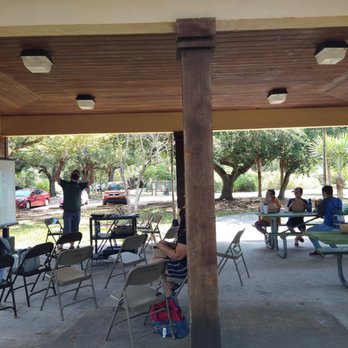

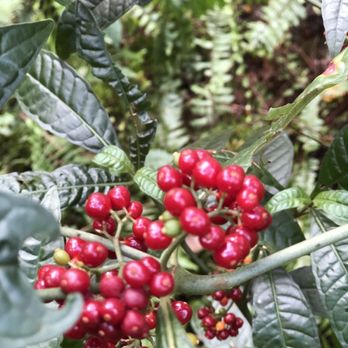
The 112 acre Castellow Hammock Preserve is part of the Dade Archipelago, a series of rocky islands that once stuck out from the Everglades. The park was named for James S. Castellow, one of the earliest citrus farmers in the area. He homesteaded 160 acres in July of 1900 and he built a small house from wood he harvested and had milled. Hugh Matheson, Jr. purchased the property from him in the 1950's. The county purchased the property from Matheson in 1962. The sale included the hardwood hammock forest called Castellow Hammock by local snail collectors and botanists. In 1974 Castellow Hammock was opened as a park and it contained one of the first environmental education centers in Miami-Dade county. The education center offers a variety of educational classes., ranger guided EcoAdventure tours, canoe trips, kayak fishing excursions, biking in Everglades National Park, and biking through the historic Redland Farming District. In the summer there is a children's park summer nature day camp. Today Castellow Hammock is a tropical hardwood forest surrounded by the farms of the Redlands. There is a half mile trail that cuts through the preserve. The trail is narrow and filled with tree branches and protruding irregular chunks of limestone. You really need to pay attention to where you are stepping. The limestone contains solution holes where rare fern species can grow. Trees that make up the trail canopy overhead include mastic, gumbo limbo, West Indian mahogany, paradise trees, and Jamaican dogwood. On the ground you will find wild coffee and giant sword ferns. Living among the plants is the colorful Liguus tree snail of the Everglades and Keys that only lives in the hardwood hammocks. The park is part of the 2000-mile Great Florida Birding Trail and over 120 species of birds have been spotted here as well as 70 species of butterflies. Mammals that call Castellow Hammock home include raccoons, opossum, gray squirrels, southern flying squirrels, gray fox, and short-tailed shrews. Reptiles and amphibians have been found here including the venomous Eastern coral snake. Thankfully I didn't come across any. The park is perfect for hikers, birders, butterfly watchers, botanists, and other nature enthusiasts. I loved the hike even though I was constantly at risk of tripping over a tree root or slipping on a limestone rock. It was more interesting than my average hike. After you get your exercise you can sample some of the Redlands other delights like a wine tasting at Schnebly's or the cinnamon rolls at Knaus Berry Farm. There are so many reasons to love the Redlands. read more



3 years ago
Beautiful, quiet, and amazing place to visit on a quiet morning or afternoon, ideal for a calm walk among nature, to appreciate the beauty of nature, and a subtle symphony of sounds among the trees, birds, squirrels... However, it's a tricky trail. It's not easy to walk because it's pure nature. There is a trail that goes all the way to the end and from there it's a matter of walking all the way back. It's not a circle like other places. Take comfortable shoes with you, and be ready to walk slow, specially in areas full of rocks and moss. Also, there are insects around, and some mosquitoes in a part of the way. Nothing out of this world but if that's a dealbreaker take it into account. // Hermoso, y sorprendente lugar para visitar en una mañana o tarde tranquila, ideal para un paseo lento entre la naturaleza, para apreciar su belleza, y una sutil sinfonía de sonidos entre los árboles, pájaros, ardillas... Sin embargo, es un camino moderadamente complicado. Es pura naturaleza. Hay un sendero que llega hasta el final y desde allí es cuestión de caminar todo el camino de regreso. No es un círculo como otros lugares. Lleva contigo calzado cómodo y prepárate para caminar despacio, especialmente en zonas llenas de rocas y musgo. Además, hay insectos alrededor, y algunos mosquitos en una parte del camino. Nada fuera de este mundo, pero si eso es un factor decisivo, téngalo en cuenta. read more


Found this place by accident -- we went to Knaus Berry Farm for some delicioso shakes. This is as rustic as you get. Lots of trees, tree roots, and rocks. Makes for a pleasant 45 min hike (Roundtrip). Glad we came on an overcast day with howling wind.... we brought our own spooky music - LOL read more


This is a fun park to go exploring. They have restrooms and a picnic area by the parking lot. The trail is well marked, but does get rocky with coral. Wear good walking shoes. the path is marked with yellow paint on trees and numbered wood posts. You get to a point on the path that loops you back along the same route you took to get into the trail. You will see the numbers go back down to Zero. It is a shaded path. read more


5 years ago

I came here in mid-September for Miami Blue's "Butterfly & Bird Day," a free event to bring awareness to conservation and preservation of the natural resources in South Florida. There were talks by professional naturalists and authors, on how to identify certain resident birds and how to protect them, how to attract butterflies and hummingbirds into your garden, the endangered bird and butterfly species, and the history of natural history, among other topics. The talks were very informative and critical, as many people in South Florida are ignorant when it comes to nature and preserving our land for future generations to enjoy. There were also ranger-led walks into the hammock, sales of plants and books, children's booths, and food trucks set up for a full day of fun, and education. As to the park itself, it is located near Homestead, not too far from Monkey Jungle. It is named to honor James S. Castellow, a pioneer from Windsor, North Carolina that moved to South Florida in 1903 and received a land grant to homestead 160 acres of land, part of which included the hammock on which the park sits. Though I did not see any, they claim that hummingbirds and painted buntings can commonly be found in front of the nature center, from fall into spring (I guess technically, September is the fall, but being so hot, as if it were summer time, perhaps that may be the reason why I did not see the birds). The trails consist of hardwood hammock, and can be considered somewhat challenging, only because of the extensive root system of the trees. I love the way the naturalists from Miami Blue had put it: "Wear sturdy shoes (no flip-flops, or you will flip and flop over a root)." Very catchy, not to mention accurate. I almost tripped while looking up at a cardinal. You have to keep your eyes on the trail almost the entire time to avoid such issues. A hammock, in case you don't know, is a forest of broad-leaved hardwood trees. The forests are shady, and were used by the natives as a place to take a nap in the heat of the day, and to spend the night. While it may be sunny outside of the hammock, inside the hammock, it's almost like dusk, which unfortunately, means lots of mosquitoes are out, for feeding time. With the outbreak of Zika, not to mention how uncomfortable it is to get itchy, raised rashes all over your body, you'd be wise to bring some mosquito repellent and apply it before entering the hammock. While in the hammock, you will observe such plant species as Wild Tamarind (which attracts Mimosa Yellow and Cassius Blue butterflies), Paradise Tree (which produces purple, olive-shaped fruits that are eaten by birds and mammals), Pigeon-Plum (a relative of the Seagrape, producing purple fruits that raccoons love), Strangler Figs, Lancewood (a relative of the Avocado and Bay Laurel trees and whose leaves can be used to season stews and sauces), the Gumbo-Limbo tree (known as the "tourist tree" because of the peeling red bark, resembling sunburned tourists), and West Indian Cherry. Mammals you may encounter on the trail are squirrels, raccoons, opossums, rats, and gray foxes, and in terms of birds, ovenbirds can be common. You may also see greenhouse frogs or Cuban tree frogs, both of which are invasive species. Do not touch the Cuban tree frog if you see it, as it secretes a toxic mucus that can cause severe reactions. The brown anole is another amphibian you will encounter, more than likely, and is also considered an invasive species. Reptiles such as ringneck snakes, red rat snakes, yellow rat snakes, the Everglades racer, and the venomous Eastern coral snake may also be found (yet another reason to skip the flip-flops). At one time, black bears could be found in the forest, but that was a long time ago, before urbanization came in and destroyed much of their habitat. The hammock trail is short, which was a bit disappointing. I was also hoping to see significant changes in terrain. This is why I am giving the park 3 stars. Coming from Miami Beach, it felt like the drive was too lengthy for what I encountered, and I could have seen more elsewhere. My wildlife encounters were limited to a dove and tree snails. Don't get me wrong, the Liguus Tree Snails were very pretty and colorful. They are protected and there are more than 60 color variations. I think seeing the truly devastating effects of Hurricane Andrew on some large felled trees was interesting. This included seeing Fallen Champion, which was a grand tree and once the National Champion Wild Tamarind, measuring 115 feet tall, with a trunk circumference of 8.5 feet. It is now being strangled by the Strangler Fig, and will be reduced to humus in time, to help aid surrounding trees. There is also a nice fire pit and surrounding benches, which would be fun in the fall for campfires. The thing is, I was hoping to see more wildlife, longer trails, and a more primitive, nature preserve-like park, so I was somewhat disappointed. read more







10 years ago
Omg! This park was so very scary! Perhaps it's because I came to early on a weekday , am not sure but it was open and no one was their to greet you. The water faucets were rusty and the maps look old and freaky . The nature walk itself is not so bad , well you just see a bunch of trees some squirrels and that's about it . I didn't really like this place reminded me of some freaky scary movie where we end up being captured and tortured :-0 . Really don't recommend coming by yourselves . 2 very freaky scary never coming here again stars. read more


11 years ago
I used this park for the first time for a clients photo shoot. I live in the area and even had my son's first birthday party here. Gorgeous park. Friendly staff. Quiet area to enjoy, explore, and play. Nature trail is beautiful. Great for photos! If you want to take pictures here I am a local photographer right around the corner from this park. Visit my website for contact info www.mayleenwilliams.com read more


10 years ago