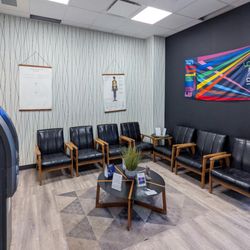
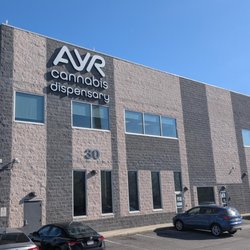
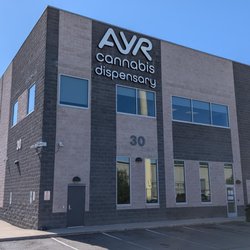
Cannabist Photos


Recommended Reviews - Cannabist
Start your review...



10 months ago
I hold a valid Virginia medical cannabis authorization prescription/card and am currently dealing with a torn meniscus with possible upcoming surgery. I visited The Cannabist in Carytown specifically seeking medical pain-management guidance. While the budtender I eventually saw was kind, attentive, and genuinely helpful, the check-in experience was deeply upsetting and unprofessional. After the usual multiple ID checks, the staff member at the check-in counter attempted to explain what documentation was required; however, her communication was unclear, mumbled, and poorly articulated. When I did not immediately understand what she was asking for, her demeanor shifted noticeably. She became irritated, impatient, and dismissive, rather than calmly clarifying or offering support. I am a healthcare provider, and I am unfortunately very familiar with how often patients are treated as inconveniences when they are confused, injured, or anxious. That familiarity is exactly why this interaction was so upsetting. When my confusion was met with visible frustration instead of professionalism, the situation escalated quickly, and I became overwhelmed and tearful. This was not because of policy, but because of tone, impatience, and lack of basic compassion. I expected better from a medical cannabis dispensary, a space that should prioritize clear communication, education, and dignity, particularly for patients managing pain or preparing for surgery. What I experienced at check-in was uncomfortably reminiscent of the worst parts of conventional healthcare: transactional, cold, and dismissive. Medical cannabis is a legitimate therapeutic tool. Patients should not feel rushed, embarrassed, or emotionally destabilized at intake. While there are clearly competent and caring staff at this location, the initial interaction at the front desk overshadowed the rest of the visit and left a lasting negative impression. I hope management takes a serious look at how front-desk interactions are handled. One poorly managed encounter, especially when a patient is already in pain, is enough to deter someone from seeking treatment. read more


2 months ago
3 months ago
6 months ago
7 months ago
6 months ago
More info about Cannabist
3100 W Cary St
Richmond, VA 23221
Carytown
Directions
(804) 613-6121
Call Now
Visit Website
https://www.gocannabist.com
Hours
Other Amenities
From the Business