
Cafe Van Kleef
Cafe Van Kleef Photos


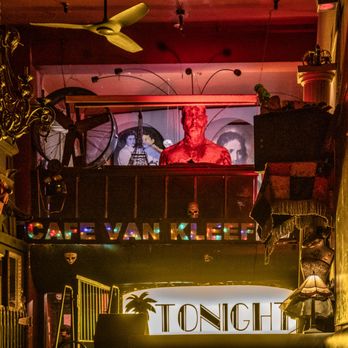


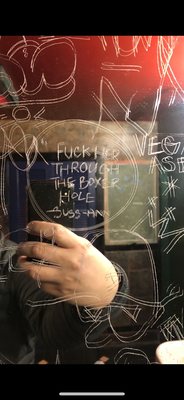
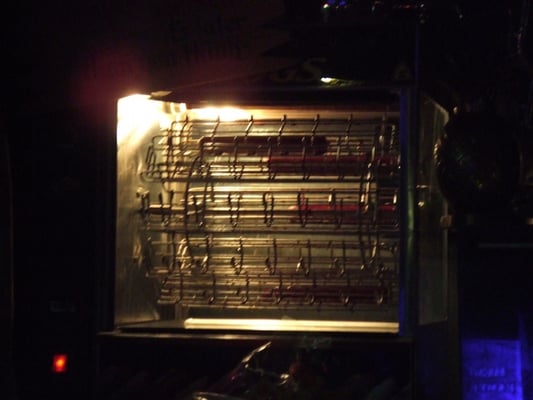
CAFE VAN KLEEF ATMOSPHERE


You might also consider


More like Cafe Van Kleef
Recommended Reviews - Cafe Van Kleef
Start your review...

Reviews With Photos


Fun funky silly place to hang. The cartoonishly large grapefruit slide was actually very welcomed and I don't usually like grapefruit. Had it w vodka and tequila and both were great, the classic is a great drink.


Delicious drinks, funky atmosphere, friendly bartenders, and a great longstanding Oakland tradition. Five stars if you like grapefruit and dark dive vibes.


Van Kleef is an Oakland classic! If you haven't been, they're known for their fresh grapefruit cocktails! Usually greyhound but they offer it with different liquors. Nice little spot to get your buzz on.


Hands down the best greyhounds. Fresh grapefruit juice. We had a double and it was smooth and easy to drink. We enjoyed chilling in this bar. Unique atmosphere and friendly bartender. I'll definitely be back!


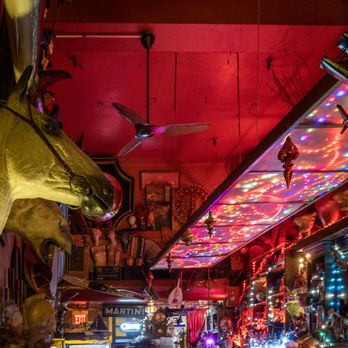
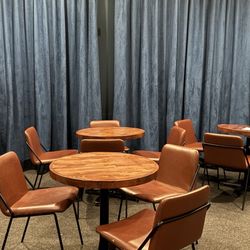
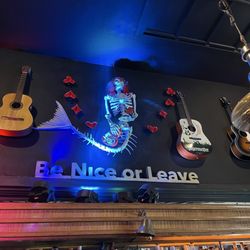
This is such a cool dive bar, the decor is unlike anything else I've seen before (super random but super unique) and even the tables look cool! The drinks are cheap as well, ranging from $10-12 for their grapefruit themed drinks which come with an actual large slice of fresh grapefruit! The vibes of Cafe Van Kleef were immaculate and made for a great environment to drink and chat. I'd definitely come back.


A group of friends and I ordered a round of greyhounds late on a Wednesday night. The bar was busy, but not busy enough where it was difficult to get a drink. The bouncer was fun to chat with and our bartender was an angel! The decor in this place is so fun. So many quirky things to look at. The drinks were super delicious! I would absolutely come back here if I'm ever in the area again.


We love a local watering hole with a signature drink! I first visited to Cafe Van Kleef years ago to try their Greyhound cocktail. I stopped by last Saturday and the drinks were just as delicious as I remembered. I loved seeing the bartender juice gallons of grapefruit to order. The bar is cool, cult-classic, and divey in feel. Great for dates or friends. It is easily accessible by BART and bus. I would 100% come back again!


This bar was such a vibe, but it was overly crowded, especially on weekend nights. It's a small place with a few bar stools, but you really have to squeeze in between people to be able to navigate the place and/or order a drink. They do have outdoor seatings, which I believe they are currently renovating to offer more space. Whether it is outdoor or indoor seating, I think this bar is worth a visit! The decors are quite unique and fascinating. Inside is dark but filled with colorful lights which makes a pleasant vibe to chat and drink. They specialize in greyhound drinks - specifically their Greyhound Classic. It is a vodka drink with freshly squeezed grapefruit juice. I really enjoyed this drink especially because it did not taste like alcohol. The sweetness and freshness of the grapefruit juice really elevate this drink.


recently had the (dis)pleasure of visiting Cafe Van Kleef, an Oakland-based steam-punk themed bar that serves grapefruit. As a licensed psychedelic shaman, I am no stranger to unusual and eclectic environments, but this place truly tested my limits. From the moment I stepped inside, the smell of burning hair filled my nostrils, causing my eyes to water and my head to spin. As I looked around, I was confronted with a dizzying array of steam-punk gadgets and gizmos, fire-breathing Bhuddas, and animal heads, all flashing and whirring in a cacophony of noise. Despite my initial discomfort, the staff at Cafe Van Kleef were very nice and seemed to be in high spirits (perhaps a little too high, as they seemed quite drunk). They greeted me warmly and offered me a menu, which featured a variety of greyhound cocktails. I decided to give one a try, hoping it would calm my nerves. Unfortunately, the greyhound did little to quell my mounting sense of unease. As I sipped my drink, I couldn't shake the feeling that I was being watched by unseen eyes. And as the night went on, the bar only seemed to grow more frenzied and chaotic, with the staff singing and dancing as they worked. By the time I left Cafe Van Kleef, I was thoroughly frightened and more than ready to return to the safety and sanity of my own home. While the staff may be nice and the greyhounds strong, I would not recommend this steam-punk themed bar to anyone with a sensitive disposition.


Cafe Van Kleef is just the right amount of funky and eclectic mixed with a splash of dive-bar charm and a garnish of chaos and art. I love places with personality, and this one totally delivered. Go just to enjoy the little Ali Baba cavern of curiosities that it is, you won't regret it. Also, if you're citrus-obsessed like me, they serve fresh grapefruit juice in all its forms and variations and the drinks are delicious! read more

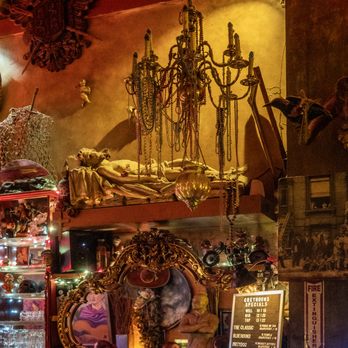


1 month ago


2 months ago


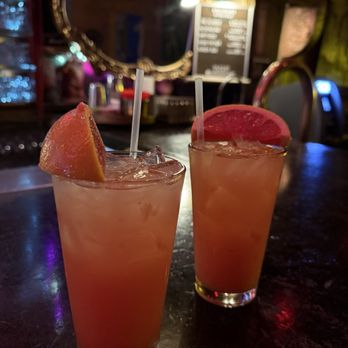

This is such a cool dive bar, the decor is unlike anything else I've seen before (super random but super unique) and even the tables look cool! The drinks are cheap as well, ranging from $10-12 for their grapefruit themed drinks which come with an actual large slice of fresh grapefruit! The vibes of Cafe Van Kleef were immaculate and made for a great environment to drink and chat. I'd definitely come back. read more

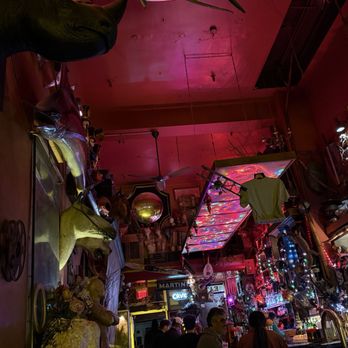
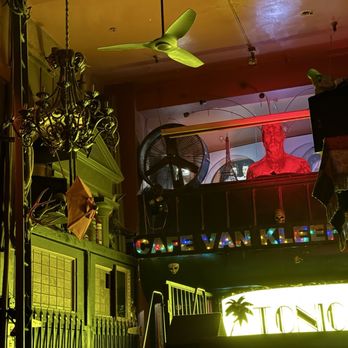


A group of friends and I ordered a round of greyhounds late on a Wednesday night. The bar was busy, but not busy enough where it was difficult to get a drink. The bouncer was fun to chat with and our bartender was an angel! The decor in this place is so fun. So many quirky things to look at. The drinks were super delicious! I would absolutely come back here if I'm ever in the area again. read more


8 months ago


We love a local watering hole with a signature drink! I first visited to Cafe Van Kleef years ago to try their Greyhound cocktail. I stopped by last Saturday and the drinks were just as delicious as I remembered. I loved seeing the bartender juice gallons of grapefruit to order. The bar is cool, cult-classic, and divey in feel. Great for dates or friends. It is easily accessible by BART and bus. I would 100% come back again! read more


2 years ago


This bar was such a vibe, but it was overly crowded, especially on weekend nights. It's a small place with a few bar stools, but you really have to squeeze in between people to be able to navigate the place and/or order a drink. They do have outdoor seatings, which I believe they are currently renovating to offer more space. Whether it is outdoor or indoor seating, I think this bar is worth a visit! The decors are quite unique and fascinating. Inside is dark but filled with colorful lights which makes a pleasant vibe to chat and drink. They specialize in greyhound drinks - specifically their Greyhound Classic. It is a vodka drink with freshly squeezed grapefruit juice. I really enjoyed this drink especially because it did not taste like alcohol. The sweetness and freshness of the grapefruit juice really elevate this drink. read more


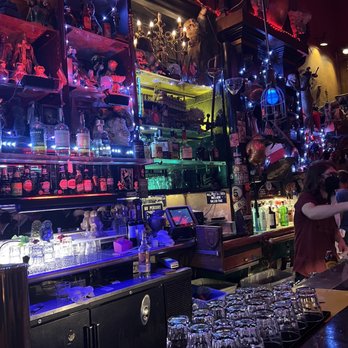


4 years ago
recently had the (dis)pleasure of visiting Cafe Van Kleef, an Oakland-based steam-punk themed bar that serves grapefruit. As a licensed psychedelic shaman, I am no stranger to unusual and eclectic environments, but this place truly tested my limits. From the moment I stepped inside, the smell of burning hair filled my nostrils, causing my eyes to water and my head to spin. As I looked around, I was confronted with a dizzying array of steam-punk gadgets and gizmos, fire-breathing Bhuddas, and animal heads, all flashing and whirring in a cacophony of noise. Despite my initial discomfort, the staff at Cafe Van Kleef were very nice and seemed to be in high spirits (perhaps a little too high, as they seemed quite drunk). They greeted me warmly and offered me a menu, which featured a variety of greyhound cocktails. I decided to give one a try, hoping it would calm my nerves. Unfortunately, the greyhound did little to quell my mounting sense of unease. As I sipped my drink, I couldn't shake the feeling that I was being watched by unseen eyes. And as the night went on, the bar only seemed to grow more frenzied and chaotic, with the staff singing and dancing as they worked. By the time I left Cafe Van Kleef, I was thoroughly frightened and more than ready to return to the safety and sanity of my own home. While the staff may be nice and the greyhounds strong, I would not recommend this steam-punk themed bar to anyone with a sensitive disposition. read more


2 years ago

This bar is in the middle of downtown Oakland, and is well known for their Greyhound cocktail! The inside of the bar has an eclectic atmosphere, with an array of art, collectors items, and theatre props. The back wall of the bar looks like a game of "I Spy". Their Greyhound cocktail is absolutely worth the trip. All of the grapefruits are juiced to order, and makes for one of the most refreshing cocktails I have ever had. I highly recommend stopping here if you are in Oakland and trying it our for yourself! read more

2 years ago


An Oakland classic! Whether you're grabbing a drink with friends (sizeable tables inside and in the parklet), testing to see if your date can hang (it's a red flag if someone turns their nose up at this place), or squeezing in a Greyhound before a show at the Fox (they still discount $1 if you are going to a show that night), it's always a good time at Cafe Van Kleef. The bouncer and staff are friendly no matter how busy it gets. It took awhile for me to come back since covid happened because it does get packed inside. I haven't been able to snag seats in the parklet, but I'm perfectly happy at the barstools just outside the window/door. It makes for great people watching too. read more
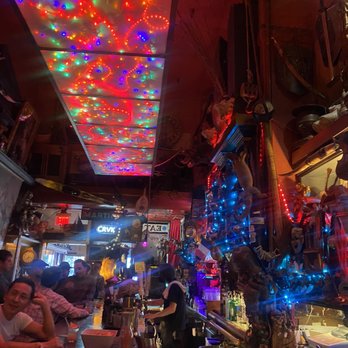


Believe the hype! This place is amazing. We had to try a few different types of greyhounds, but I think the classic is the best. This place is just a great, old school bar. I wish they had food but I guess they're just focusing on the one thing they do best: greyhounds! read more
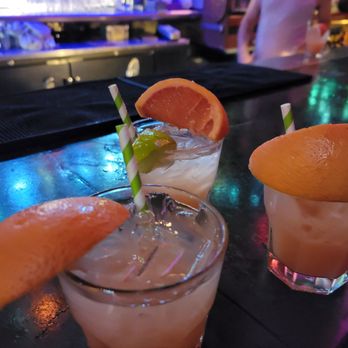

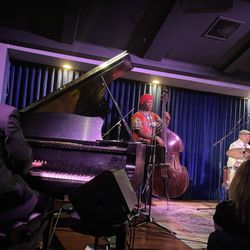
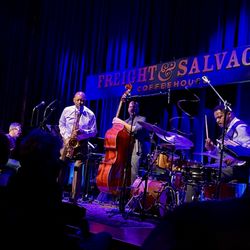
This is a small bar with live music pretty close to a lot of other bars in downtown. They had a violinist playing while we were there. The crowd had more of a punk rock feel to it then jazz. The drinks were pretty cheap and strong. They are known for their greyhound. The decor was interesting lol. A lot of taxidermy and flea market finds. Would definitely come here again for the drink prices and the staff was very friendly and we got drinks pretty quickly while they were busy. read more
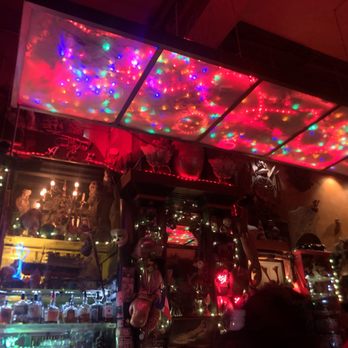

5 years ago
Shotgun layout Divey The signature drink is a greyhound.. They use fresh squeezed grapefruit juice and garnish it with a wedge of grapefruit. When I went, I was told I must have their greyhound.. and i looked around and the majority of people were drinking this drink. There's only one bathroom (at the very back of the building). It was dark and packed with people. read more


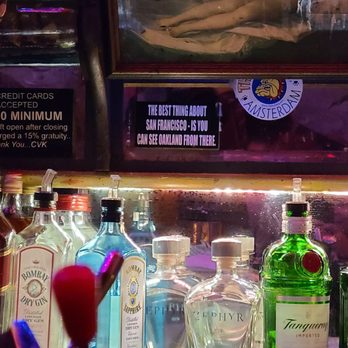

6 years ago
So happy that Van Kleef is open again! I finished a long bike road and could not help but stop myself for a double greyhound. I haven't had a greyhound in over a year since Covid started and boy was it is delicious and strong as I remember! Love the outdoor seating available now - love the bartender - love the two fellow Oakland stranger turned chatting buddies as we made of fun of Oakland, the craziness of all the events the last year, and how downtown Oakland needs a real grocery store (Berkeley Bowl). Love the community. Thank you for staying open VK! read more

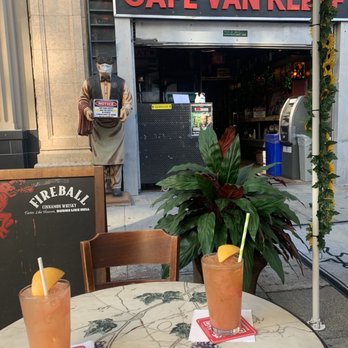

2 years ago

4 years ago
2 years ago

How. Have. I. Never. Been. Here!? While wandering around Oakland waiting for a nearby fave to open, we stumbled upon newly closed-to-vehicles Van Kleef Street (or drive of something). My friend came "all the way" from SF to go to my favorite place, and we happen to stumble upon the one place in Oakland he's been to before - Cafe Van Kleef. I looked into the long, old, crazy decorated establishment that of course we couldn't go into, but it looked fascinating. We opened a tab at the entrance table, grabbed a bar table and chairs in the street drinking/dining area, and stayed for hours! Tip: it's hard to miss the fresh grapefruit juice with a giant slice atop whatever cocktail you order it with. The service was so friendly and positive and attentive - and it was busy! It was Saturday, and a fun DJ started around 5 I believe. To satisfy county rules tables are spaced, masks required if you aren't drinking or eating, a few food items are offered, and you can also get drinks to-go in plastic cups! Prices were great too, we had greyhounds and palomas, only $7 each a veritable bargain in the Bay for a fresh juice cocktail! read more


4 years ago
I have been going to this bar for many years. It is eclectic in both decor and patrons. They serve the best greyhound in Oakland made with fresh grapefruit juice everyday. I highly recommend this spot. read more
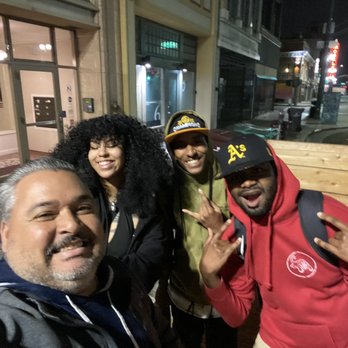


9 years ago
Café Van Kleef has been my favorite dive bar in this area since it was just about the only business in this area open at night. My friends and I have started nights here and finished them, enjoying good times and the intimate setting. It might be a little durrrrty for the cocktail crowd, but I like it like that. The bartenders have always been great and service is pretty quick dispite the place gets packed. Café Van Kleef is the reason why I love greyhounds above all other cocktails; once you go fresh squeezed, you don't go back. read more
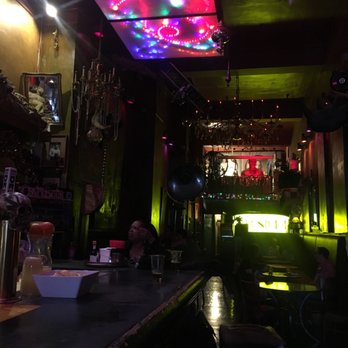

9 years ago
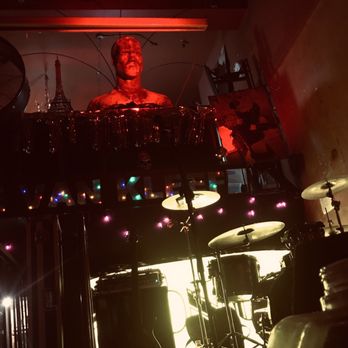
$8 for a Greyhound with your alcohol of choice (vodka, gin, tequila) + grapefruit juice (freshly squeezed right before your eyes) + a thick slice of fresh grapefruit? Yes please! I came here on a busy Friday night around 11pm, and it was packed inside for the most part, with barely any room to squeeze by the crowd standing alongside the bar. There's a bit more space and tables/seats near the back. The bartenders were churning out Greyhounds and squeezing grapefruits at an incredible pace to watch; it seemed like the main thing slowing them down was waiting for the credit card machine to process cards. ($10 credit card minimum!) The ratio of alcohol:juice was actually pretty good. I could definitely taste it and felt the usual warmth and "Asian glow" after only one drink - though, admittedly, I flush extremely easily from alcohol. The grapefruit slice was a welcome palate cleanser afterwards and was the perfect combination of sweet and tart. I was tempted to ask for a cup of fresh grapefruit juice or another grapefruit slice, it was that good! As shown in the pictures, the decor is quite eclectic and interesting; seeing it in person is even more amazing. I spent some time just looking around and marveling at their collection of items. Definitely stop by if you're in the area to check it out and enjoy a drink! It's also near a lot of other bars if you're barhopping. read more


7 years ago
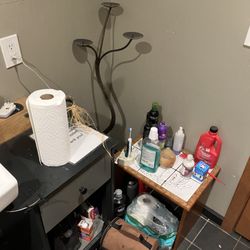
Greyhound. That's all I have to say and that's all you need to know before you make your way to Cafe Van Kleef. Who can say no to freshly squeezed grapefruit and and vodka? During weeknights it's pretty and you'll have no problem getting seating, ordering drinks and having no trouble having a conversation with a date. Weekends on the other hand are another story. If you come here on a weekend, I strongly suggest you order a double in lieu of a single because although the bartenders are fast, the line will remain long and you do not want to wait back in line for a drink. There's usually live music and everyone is dancing and having a great time. Everyone from the staff to the patrons are always so friendly. I especially love the eclectic decor. Even the bathroom are adorned with so many crazy beautiful decorations. You should definitely check this place out. read more


3 years ago
Page 1 of 24
More info about Cafe Van Kleef
1621 Telegraph Ave
Oakland, CA 94620
Uptown
Directions
(510) 763-7711
Call Now
Hours
Payment methods
Food & Alcohol
Services
Indoor Amenities
Outdoor Amenities
Other Amenities
From the Business
Cafe Van Kleef Reviews in Other Languages
Ask the Community - Cafe Van Kleef
Planning a Saturday night out, what time does the live music start?
Review Highlights - Cafe Van Kleef
You might also consider






















Why does Yelp recommend reviews?
58 reviews that are not currently recommended
The reviews below are not factored into the business's overall star rating.
10 years ago
4 years ago

16 years ago

11 years ago

17 years ago

19 years ago
10 years ago

9 years ago

15 years ago
9 years ago

10 years ago

12 years ago

12 years ago
4 years ago
19 years ago
10 years ago
11 years ago

17 years ago
4 years ago
18 years ago


