Wolf Park Photos


You might also consider

More like Wolf Park
Recommended Reviews - Wolf Park
Start your review...


Reviews With Photos


Taking part in nature is always a great way to spend the day. I would make sure to take the guided tour this makes sure you will have the opportunity to see the Wolves arrangements must be made ahead of time. We did see 2 of the Wolves and heard them howling in the distance. The staff was very informative about the facility


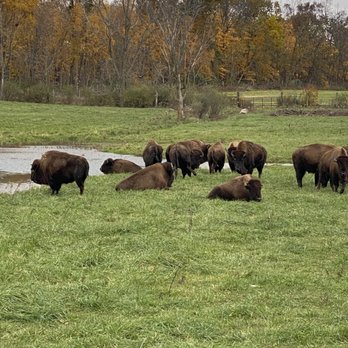
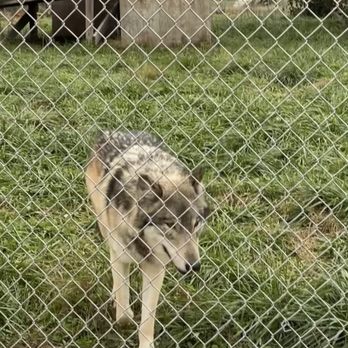
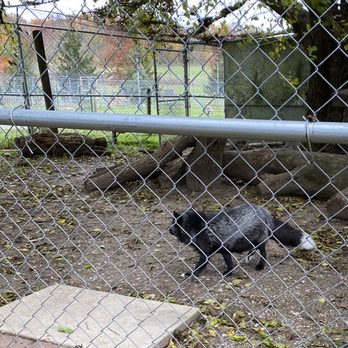
Loved my experience here! It's a nice easy walk with a tour guide, and very informative. We were lucky and had a small group so it was a very personal experience but we saw lots of wolves, Buffalo and a few foxes. It was cold when we went so that makes sense why the wolves were out. If your looking for a little outside adventure I definitely recommend checking this place out. Check out the website because they have different options for tickets, we just did a general admission, but I think I will come back and try the howl at night.


We came here on the weekend for a special event, The Turkey Toss! This is the Wolf's Thanksgiving feast, okay at least the Wolf's chance to have turkey like the rest of us on Thanksgiving. I was lucky enough to learn about this place and experience it with my dearest friend and two of her children. Seeing it through there eyes made it even more special! We first gathered at the bleachers where we were introduced to three of the wolves and learned about wolves, packs, and characteristics. It was amazing to see these beautiful animals interact with their staff. And then it began. They asked for volunteers and then the turkey tossing began. They had half raw turkeys (and gloves) and you had your change to toss that turkey over the fence for the wolves to enjoy! It was a fun experience and the wolves enjoyed it too! We toured the rest of the facility and fed all of the wolves there Thanksgiving. We also got to visit a hear of thirteen bison, and their were baby buffalo! They are amazing up close and HUGE! They were not left out of the feast and were provided with surprise treats! Cardboard boxes with leafing greens inside. They poked around the boxes, smooshing them with their noses until finding the top of the box and smashing it open until they found their treats! A baby came over the to the box and was using it to scratch his head. last but not least were the foxes, they were absolutely beautiful! They also had a feast, more like ours, meat and veggies on a plate. Wolf park is an amazing place dedicated to the chance to learn about these amazing animals and allow us to get up close and personal with them (at least through a couple fences). Don't expect a glamorous fun park, this is a honest to goodness environment in nature dedicate to learning about and teaching us about the animals there. I am glad that I had the chance to go there for this special event.


Such an awesome place to visit! We were able to see several wolves and some other animals too (foxes, buffalo)! All the staff here are wonderful! They are super knowledgeable about the animals and programs, and they are welcoming and friendly. Only $5 for adults and I highly recommend for an additional $5 to do the walking tour.


Took my sister here in June 2019 as wolves are her favorite animal. We got to see the wolves eat, and we saw the baby foxes that were being raise! Flash forward to 2020 and we decide to go again. There was no eating this time around but we were treated to some howling before we left! It's so nice to get to see the wolves so close in person! The wolves are clearly very happy and cared for. The staff is very knowledgeable! And the wolves are social. I was worried we wouldn't get to see them but they love when the humans walk by and come very close to the fence. We learned a lot of facts about the wolves and left with many cute souvenirs. We will be back next year!
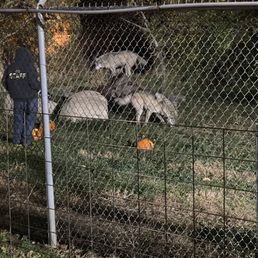

Wow - I never knew Indiana had its very own wolf sanctuary until a friend asked me to join her for Howl Night at Wolf Park! We had a great experience, from touring the ground's enclosures in the beginning to sitting down for a wolf program - with scattered howls of excitement from our wolf friends! Wolves have always been fascinating to me, but this program/Q&A was great to understand more about their pack relationships and body language. The second part of the program was my favorite because the animal curators went into the enclosure to interact with the wolves and we were able to howl right alongside the pack! An hour's drive and a $12 ticket weren't bad for such an informative experience, and I even bought a wolf photo from the gift shop to remember the wolves we saw. I highly recommend Wolf Park to anyone looking for a fun night of howling and learning about the Wolf Park packs and its mission. Great memories for a great cause!


A unique experience - educational and very fun! Dan and Khaz were our tour guides and they were remarkable. Khaz is extremely knowledgeable about wolves and passionate. She answers questions with enthusiasm. If you're lucky, you'll how and the wolves will howl back! They're a non-profit and the government just cut funding for wolf preservation, so it's a great time to show some support!


Wolf Park was one of my favorite places to visit whenever I had the time, and I'm glad I got to go back there recently. If you're finding out about the Wolf Park here on Yelp, it's an educational and research reserve ran by a not-for-profit organization, though donations and purchases from their gift shop are always appreciated. Contrary to its name, it's not solely dedicated to wolves . During the last few years, I've also seen hybrids, foxes, coyotes, and a regular herd of bison. Apparently, they use to have an event of letting the wolves chase the defending bison around, but that ended when the bison started reaaalllyy looking forward to chasing and bullying the wolves instead. Our tour guide specifically recalled how during the last time they ever held this event, the bison crowded around the entrance where they usually let the wolves in while said predators hid behind the legs of their handlers. (To be clear, the wolves' diet is actually made of frozen roadkill. Battleground and Lafayette are in a literal crossroads of a number of federal and state highways. If you've ever wondered what happens to all that roadkill, Wolf Park and its omnivorous and scavengers wolves are what happened.) The location itself is beautiful. It's all about studying the ecosystem and animal behavior, so they work hard to keep the enclosures as natural as possible. So it's mostly a lot of open grassy space bordered by wire fences and dotted with basic structures and bits of woodland. In the winter, all this space is covered in a layer of snow and very sparkly. The exception would be the fox enclosures which are smaller are consist entirely of man-made structures for them to climb, slink, and hide around. Each of the wolves/coyotes/hybrids tend to have their own private enclosure (singularly or in pairs) which they are rotated through. This includes putting them together sometimes in the central enclosure which is basically a beautiful, giant, man-made lake that filters back into natural creeks and freezes over into a giant mirror for the wolves to walk over during the depths of winter. One of my favorite parts of the Wolf Park is that it's part of a national (or international) network of experts and environmentalists. I've enjoyed listening to many experts and guest speakers, unfortunately missing this one Wolf Park dinner where a bunch of them were scheduled to speak because of a family emergency. Mostly, because each one seemed to bring an emphasis of something different to the table. More importantly, you'll sometimes get guest WOLVES. During my one of my earlier years at Purdue, I got really excited when the Wolf Park was hosting white wolves for a few of the (winter) months. They are largely educational and have a lot of activities, but it's not a great place for small children unless your children are really into wolves or nature. From what I understand though, the foxes are mini-celebrities and a favorite for the small humans. Otherwise, I've seen a good handful of kids get a bit bored unless there's an additional activity. The road you turn onto from Harrison Road is rough and a bit narrow, only big enough for two cars to carefully pass each other, so be aware of that. Luckily, that opens and they have a good-sized parking lot. You do have to pay a bit to get past the gift shop/entrance and students get a discount, so bring your ID (even when you've already graduated). Afterwards though, you can stay for a good while. Seriously, you can walk around yourself. And if you're lucky, you can see the feedings. My first time there, my dad and I followed the truck with the roadkill around as they stopped at each enclosure to throw carcasses into. As for bathrooms, once you pass through and exit on the other side, there is another building off to the right where they have bathrooms. Wolf Park is important in that it teaches people about the actual animals and help surrounding farms deal with wolves or coyotes, even helping with their removal at times from the farmland and into Wolf Park or other such reserves. During college, I made friends who ARE Indiana natives with a farming background that don't agree with what the Wolf Park does (What if the wolves escape? What if they attack children? They're pests, what's the point?). Guides at Wolf Park will explain the ways they're important to the local ecosystem, and even how they benefit farms. For example, a farmer had apparently called in, concerned about a coyote wandering his property and especially about his animals. The advice given is to leave the coyote alone unless it starts to eating his animals, as it not going after them meant it was subsisting on rodents and pests. More importantly, it being their meant that it had made the area it's territory and kept away other coyotes that might not be so useful. Overall, I love it, and if you're interested, I would strongly advise to check out their website and look up what events they're holding soon and how to contribute.


What a wonderful place! We went for a howl night and it was a blast. The staff was beyond knowledgeable about the species and wolves were very beautiful. They also have foxes there and both wolves and foxes can be sponsored so you get a lot of benefits and fun! Worth driving one hour from Indianapolis and definitely worth $8. Great for families with kids (as long as they don't talk through the presentation...) Parking wasn't an issue either. There also a nice gift shop at the sanctuary. We will definitely come back!

23 days ago
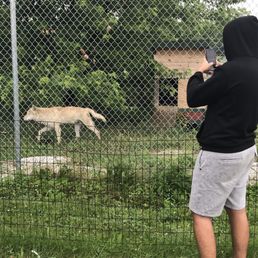
This place is surreal. A true blessing to have within 15 mins of Purdue. You can see Wolves, Bison, Foxes, turtles, you name it. Everybody who works here is super sweet and very knowledgeable. I am blown away with my experience and cannot wait to come back in the fall! read more


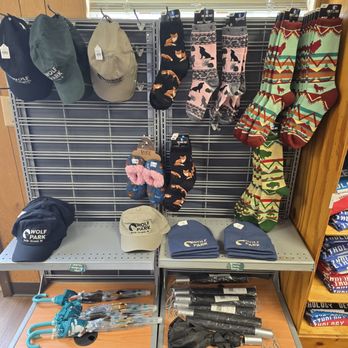
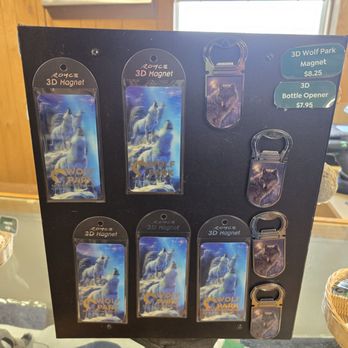
Wolf Park is a wolf sanctuary where people are educated about wolves and taught to be respectful of these magnificent creatures. You can go out in groups to explore the land and you might get lucky enough to actually see a wolf in the wild. There are lots of fun things to buy in the gift shop. There are plenty of great picture opportunities in the park. If you love nature or wolves this is a great place to check out. read more







3 months ago

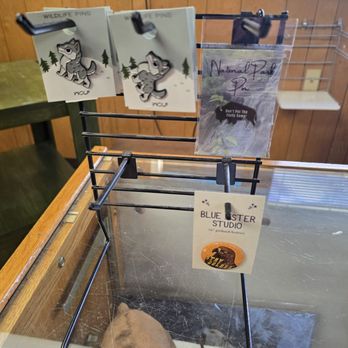
Taking part in nature is always a great way to spend the day. I would make sure to take the guided tour this makes sure you will have the opportunity to see the Wolves arrangements must be made ahead of time. We did see 2 of the Wolves and heard them howling in the distance. The staff was very informative about the facility read more
3 months ago

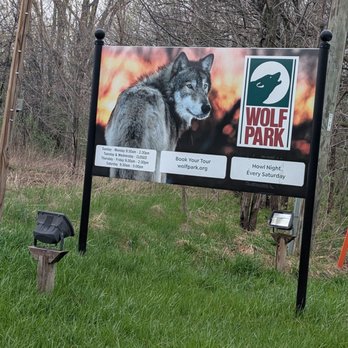
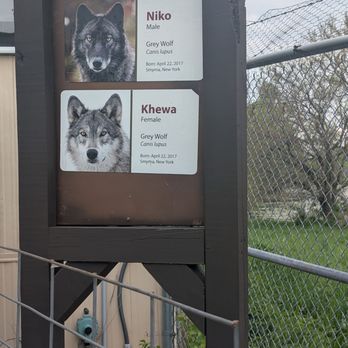
Loved my experience here! It's a nice easy walk with a tour guide, and very informative. We were lucky and had a small group so it was a very personal experience but we saw lots of wolves, Buffalo and a few foxes. It was cold when we went so that makes sense why the wolves were out. If your looking for a little outside adventure I definitely recommend checking this place out. Check out the website because they have different options for tickets, we just did a general admission, but I think I will come back and try the howl at night. read more
1 year ago

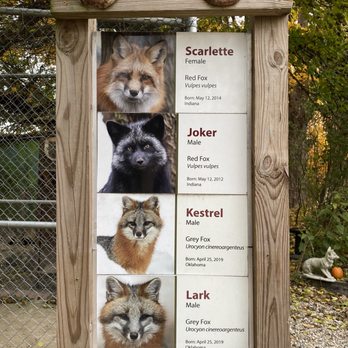
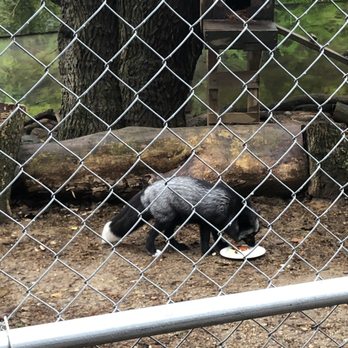
We came here on the weekend for a special event, The Turkey Toss! This is the Wolf's Thanksgiving feast, okay at least the Wolf's chance to have turkey like the rest of us on Thanksgiving. I was lucky enough to learn about this place and experience it with my dearest friend and two of her children. Seeing it through there eyes made it even more special! We first gathered at the bleachers where we were introduced to three of the wolves and learned about wolves, packs, and characteristics. It was amazing to see these beautiful animals interact with their staff. And then it began. They asked for volunteers and then the turkey tossing began. They had half raw turkeys (and gloves) and you had your change to toss that turkey over the fence for the wolves to enjoy! It was a fun experience and the wolves enjoyed it too! We toured the rest of the facility and fed all of the wolves there Thanksgiving. We also got to visit a hear of thirteen bison, and their were baby buffalo! They are amazing up close and HUGE! They were not left out of the feast and were provided with surprise treats! Cardboard boxes with leafing greens inside. They poked around the boxes, smooshing them with their noses until finding the top of the box and smashing it open until they found their treats! A baby came over the to the box and was using it to scratch his head. last but not least were the foxes, they were absolutely beautiful! They also had a feast, more like ours, meat and veggies on a plate. Wolf park is an amazing place dedicated to the chance to learn about these amazing animals and allow us to get up close and personal with them (at least through a couple fences). Don't expect a glamorous fun park, this is a honest to goodness environment in nature dedicate to learning about and teaching us about the animals there. I am glad that I had the chance to go there for this special event. read more

3 years ago
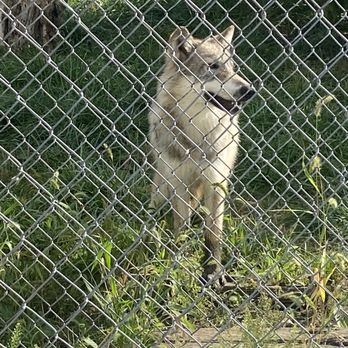
Such an awesome place to visit! We were able to see several wolves and some other animals too (foxes, buffalo)! All the staff here are wonderful! They are super knowledgeable about the animals and programs, and they are welcoming and friendly. Only $5 for adults and I highly recommend for an additional $5 to do the walking tour. read more

2 years ago
1 year ago
2 years ago
Business owner information

Wolf Park A.
Hi Jerry! We're sorry we missed you! All of our hours were updated in…

6 years ago
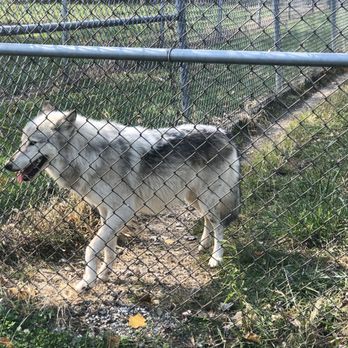
Took my sister here in June 2019 as wolves are her favorite animal. We got to see the wolves eat, and we saw the baby foxes that were being raise! Flash forward to 2020 and we decide to go again. There was no eating this time around but we were treated to some howling before we left! It's so nice to get to see the wolves so close in person! The wolves are clearly very happy and cared for. The staff is very knowledgeable! And the wolves are social. I was worried we wouldn't get to see them but they love when the humans walk by and come very close to the fence. We learned a lot of facts about the wolves and left with many cute souvenirs. We will be back next year! read more

4 years ago

6 years ago
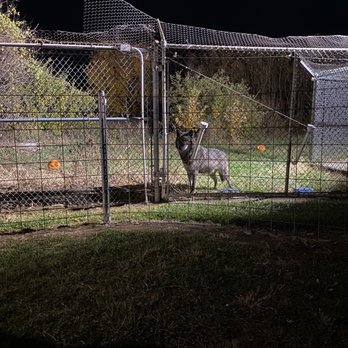
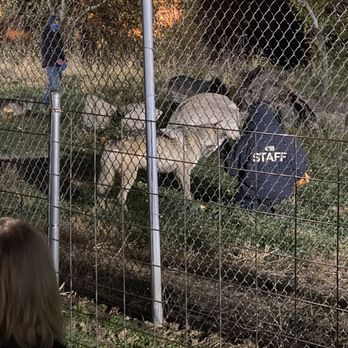
Wow - I never knew Indiana had its very own wolf sanctuary until a friend asked me to join her for Howl Night at Wolf Park! We had a great experience, from touring the ground's enclosures in the beginning to sitting down for a wolf program - with scattered howls of excitement from our wolf friends! Wolves have always been fascinating to me, but this program/Q&A was great to understand more about their pack relationships and body language. The second part of the program was my favorite because the animal curators went into the enclosure to interact with the wolves and we were able to howl right alongside the pack! An hour's drive and a $12 ticket weren't bad for such an informative experience, and I even bought a wolf photo from the gift shop to remember the wolves we saw. I highly recommend Wolf Park to anyone looking for a fun night of howling and learning about the Wolf Park packs and its mission. Great memories for a great cause! read more


7 years ago
A unique experience - educational and very fun! Dan and Khaz were our tour guides and they were remarkable. Khaz is extremely knowledgeable about wolves and passionate. She answers questions with enthusiasm. If you're lucky, you'll how and the wolves will howl back! They're a non-profit and the government just cut funding for wolf preservation, so it's a great time to show some support! read more


8 years ago
Wolf Park was one of my favorite places to visit whenever I had the time, and I'm glad I got to go back there recently. If you're finding out about the Wolf Park here on Yelp, it's an educational and research reserve ran by a not-for-profit organization, though donations and purchases from their gift shop are always appreciated. Contrary to its name, it's not solely dedicated to wolves . During the last few years, I've also seen hybrids, foxes, coyotes, and a regular herd of bison. Apparently, they use to have an event of letting the wolves chase the defending bison around, but that ended when the bison started reaaalllyy looking forward to chasing and bullying the wolves instead. Our tour guide specifically recalled how during the last time they ever held this event, the bison crowded around the entrance where they usually let the wolves in while said predators hid behind the legs of their handlers. (To be clear, the wolves' diet is actually made of frozen roadkill. Battleground and Lafayette are in a literal crossroads of a number of federal and state highways. If you've ever wondered what happens to all that roadkill, Wolf Park and its omnivorous and scavengers wolves are what happened.) The location itself is beautiful. It's all about studying the ecosystem and animal behavior, so they work hard to keep the enclosures as natural as possible. So it's mostly a lot of open grassy space bordered by wire fences and dotted with basic structures and bits of woodland. In the winter, all this space is covered in a layer of snow and very sparkly. The exception would be the fox enclosures which are smaller are consist entirely of man-made structures for them to climb, slink, and hide around. Each of the wolves/coyotes/hybrids tend to have their own private enclosure (singularly or in pairs) which they are rotated through. This includes putting them together sometimes in the central enclosure which is basically a beautiful, giant, man-made lake that filters back into natural creeks and freezes over into a giant mirror for the wolves to walk over during the depths of winter. One of my favorite parts of the Wolf Park is that it's part of a national (or international) network of experts and environmentalists. I've enjoyed listening to many experts and guest speakers, unfortunately missing this one Wolf Park dinner where a bunch of them were scheduled to speak because of a family emergency. Mostly, because each one seemed to bring an emphasis of something different to the table. More importantly, you'll sometimes get guest WOLVES. During my one of my earlier years at Purdue, I got really excited when the Wolf Park was hosting white wolves for a few of the (winter) months. They are largely educational and have a lot of activities, but it's not a great place for small children unless your children are really into wolves or nature. From what I understand though, the foxes are mini-celebrities and a favorite for the small humans. Otherwise, I've seen a good handful of kids get a bit bored unless there's an additional activity. The road you turn onto from Harrison Road is rough and a bit narrow, only big enough for two cars to carefully pass each other, so be aware of that. Luckily, that opens and they have a good-sized parking lot. You do have to pay a bit to get past the gift shop/entrance and students get a discount, so bring your ID (even when you've already graduated). Afterwards though, you can stay for a good while. Seriously, you can walk around yourself. And if you're lucky, you can see the feedings. My first time there, my dad and I followed the truck with the roadkill around as they stopped at each enclosure to throw carcasses into. As for bathrooms, once you pass through and exit on the other side, there is another building off to the right where they have bathrooms. Wolf Park is important in that it teaches people about the actual animals and help surrounding farms deal with wolves or coyotes, even helping with their removal at times from the farmland and into Wolf Park or other such reserves. During college, I made friends who ARE Indiana natives with a farming background that don't agree with what the Wolf Park does (What if the wolves escape? What if they attack children? They're pests, what's the point?). Guides at Wolf Park will explain the ways they're important to the local ecosystem, and even how they benefit farms. For example, a farmer had apparently called in, concerned about a coyote wandering his property and especially about his animals. The advice given is to leave the coyote alone unless it starts to eating his animals, as it not going after them meant it was subsisting on rodents and pests. More importantly, it being their meant that it had made the area it's territory and kept away other coyotes that might not be so useful. Overall, I love it, and if you're interested, I would strongly advise to check out their website and look up what events they're holding soon and how to contribute. read more


8 years ago
What a wonderful place! We went for a howl night and it was a blast. The staff was beyond knowledgeable about the species and wolves were very beautiful. They also have foxes there and both wolves and foxes can be sponsored so you get a lot of benefits and fun! Worth driving one hour from Indianapolis and definitely worth $8. Great for families with kids (as long as they don't talk through the presentation...) Parking wasn't an issue either. There also a nice gift shop at the sanctuary. We will definitely come back! read more


3 years ago
3 years ago


What a special place! Home to wolves, bison & foxes. Great tour, make time for the fascinating Howl Night experience & pick something up in the fully furnished gift shop. Knowledgeable staff & a great mission make a visit a family memory maker! read more
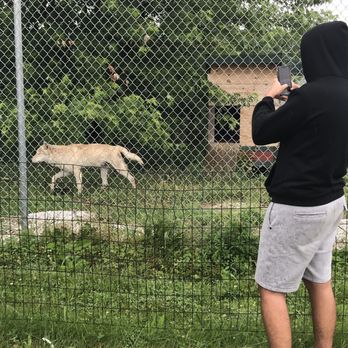
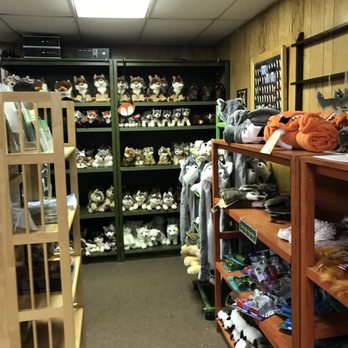

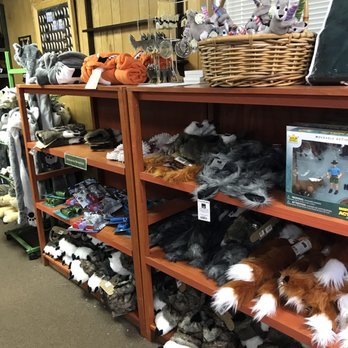


Went here on a howl night. They were also hosting brew on the bridge which was great. Got to see and learn about some red/ grey foxes. Also got to see some wolves, which was great. There was some howling involved too. Very fun experience read more


17 years ago

This place is AMAZING!!! Planned my first visit over the weekend and fell in love with all the animals (they have Wolves, Coyotes, Foxes and Bison) I learned so much about wolves behavior and the staff was such a pleasure to talk to! Came back for the evening wolf howl which was very cool. It was a 2.5 hour drive, and I'm so glad to have found it and know this place exists, I'm planning to participate in the adopt a wolf program and do the walk for wolves next year! read more


12 years ago
Visited here with my family for a Cub Scout outing. Awesome time. Got to see the wolves and Bison up close. They give you tons of education as well and interact with the kids. They really did a good job. read more

14 years ago

8 years ago
6 years ago
12 years ago

9 years ago
7 years ago

12 years ago

10 years ago

12 years ago
More info about Wolf Park
4004 E 800th N
Battle Ground, IN 47920
Directions
(765) 567-2265
Call Now
Visit Website
http://www.wolfpark.org/
Hours
Indoor Amenities
Outdoor Amenities
Other Amenities
From the Business