
Washington Eye Physicians & Surgeons
Services - Washington Eye Physicians & Surgeons
Eye exams
Eye surgery
Laser vision correction
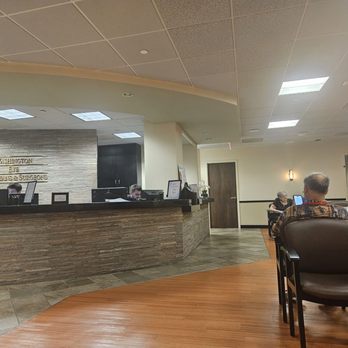
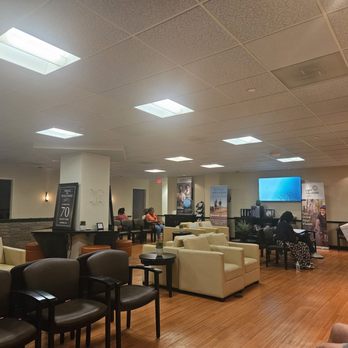
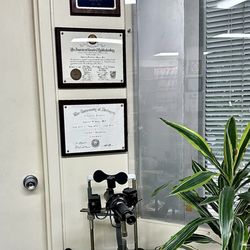
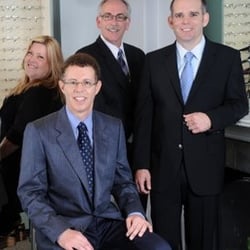
Washington Eye Physicians & Surgeons Photos

You might also consider


More like Washington Eye Physicians & Surgeons
Recommended Reviews - Washington Eye Physicians & Surgeons
Start your review...


Reviews are generally positive. Many highlight doctor expertise, attentive care, and a well-equipped facility.
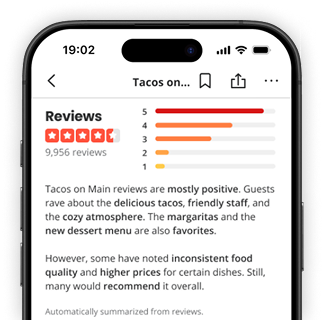
Read the full review summary in the app

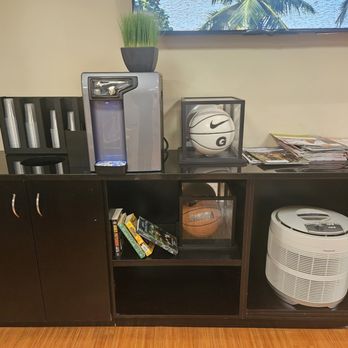
7/31/26 Personally, I would rather park my own vichele upon entering the parking garage, yet the valet standing in the garage have other plans. Heading to the 9th floor, we headed into the Washington Eye Physicians and Surgeons. The place is pretty spacious for the waiting room. Speaking of waiting room, there is a place in the back where you can aquire some "Cool, clear water" to drink. There may even be books to read while waiting for your party. Not a bad place to leave some unwanted books too. Second thing I noticed is the 2026 sign for the NEW ZAdministration Fee STARTING at $50.00. Apparently this was started just this year by the Doctors of Washington Eye Physicians and Surgeons. What will new year of 2027 bring? My dad told me his insurance for this place use to be taken, but not anymore. Now my dad has to file his own insurance. Blue Cross Blue Shield is one type of insurance one has to file to their own health insurance. Why? Because when Washington Eye Physicians and Surgeons file the insurance claim, it is rejected. This will depend on one's health coverage...feel free to get more information on this with the front desk agent(s). This place seems pretty expensive, but if they get the job done, then the cost is worth it. From what I saw my father's is happy with the outcome. The place's ambience was peaceful and moving like a well oiled machine. I would like to say the staff was helpful and polite. There was a mistake done and the process to correct the problem was handled swiftly. I will continue with a followup if the problem wasn't finalized within two week time spand of today. All in all, today's experience was a good one. read more

Business owner information

Washington E.
Hi John,…

3 months ago
Business owner information
Washington E.
Goli,…

3 months ago
Business owner information
Washington E.
Dear Susan,…
6 months ago
Business owner information
Washington E.
Thank you, Paul, for sharing your experience. We truly appreciate the…
5 months ago
Business owner information
Washington E.
Hi Ginger,…
2 months ago
Business owner information
Washington E.
Hi Peter,…
11 months ago
11 months ago
1 year ago
1 year ago
1 year ago

5 years ago
Business owner information
Washington E.
Robert, thank you for taking the time to provide us with your…

9 years ago
THE MEDICAL MIRACLE OF VISION CORRECTION My brother had PRK surgery with Dr. Adi in 2011 in order to become a Coast Guard pilot. He was 18 at the time and his eyes are still perfect 7 years later. I met with Dr. Martin at the beginning of summer, 2017 to discuss my options. Dr. Martin remembers me from visit to visit and handled my poor vision, chronic dry eyes, and corneal abrasions with ease and professionalism. I felt confident that I was in good care throughout pre-op visits, the surgery itself, and post-op. Dr. Martin went to great lengths on the day of my surgery to ensure/explain that my eyes were not strong enough for LASIK and that I would need the PRK surgery. He explained what to expect and ensured I was comfortable with the change before proceeding. 6 months later I am seeing 20/15 and no longer have dry eyes or corneal abrasions. Dr. Martin did a fantastic job and I am so glad I went with him. Washington Eye has a friendly, professional staff that keeps me organized with my care and appointment schedule. I have never waited over 30 minutes to be seen for an appointment. THE TAKE AWAY Do your research. Read every review. Make sure you feel comfortable proceeding with an eye surgery and it's complications BEFORE having the procedure. read more


2 years ago
5 years ago

7 years ago

5 years ago
4 years ago

6 years ago

9 years ago
4 years ago

15 years ago

14 years ago

16 years ago

10 years ago

7 years ago
5 years ago

10 years ago

11 years ago

9 years ago

14 years ago
13 years ago
14 years ago
9 years ago
14 years ago

12 years ago

9 years ago

14 years ago
Page 1 of 3
More info about Washington Eye Physicians & Surgeons
5454 Wisconsin Ave
Ste 950
Chevy Chase, MD 20815
Directions
(301) 657-5700
Call Now
Visit Website
https://www.washingtoneye.com/locations/chevy-chase/
Hours
Payment methods
Other Amenities
From the Business
Ask the Community - Washington Eye Physicians & Surgeons
Review Highlights - Washington Eye Physicians & Surgeons
You might also consider












Why does Yelp recommend reviews?
14 reviews that are not currently recommended
The reviews below are not factored into the business's overall star rating.
13 years ago
14 years ago
14 years ago
14 years ago
14 years ago
10 years ago
9 years ago
9 years ago
3 years ago
1 year ago
14 years ago
9 years ago

9 years ago
13 years ago


