UPDATE:
Dear Deborah H.,
I appreciate your acknowledgment of our concerns and your recognition of Shannon, Shauntay, Madeline, and Sheby. However, the way you responded illustrates the very problem I described in my review.
You acknowledged our experience, then placed the responsibility back on me by asking me to contact Unity's patient care team. Our family already communicated, coordinated, followed up, and documented concerns while trying to obtain the support my mother needed. Unity Hospice already has our information, records, communications, and care history. Why is the responsibility once again being placed on me?
I am not refusing communication. I am refusing to carry the organization's investigative burden after our family carried so much during one of the most painful periods of our lives. If leadership genuinely wants to understand what happened, it can review the existing records and contact me directly.
The kindness of individual staff members deserves recognition, but it does not erase the larger failures in communication, medication follow-through, documentation, education, caregiver support, and accountability.
Hospice care should be proactive, coordinated, compassionate, and accountable. Asking the family to do more legwork after the care has failed them is not accountability. It is a continuation of the problem, and your response makes clear why that problem exists from the top down.
Original Review:
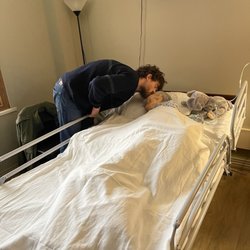
My mother began palliative care in March 2026, transitioned to Unity Hospice, and died on July 5, 2026. We chose hospice believing our family would receive compassionate guidance and support while caring for her at home.
Unity delivered equipment and medications promptly. Unfortunately, the human support we needed was often missing.
Unity's admission packet described home health aides, caregiver relief, respite care, social work resources, and crisis support. We were not adequately told how to access these services. In-home respite was never clearly explained. I ultimately found a facility through CountyCare myself, but by then Mom had declined too far to go safely. She died on the day she was scheduled to be admitted.
On June 16, I emailed Unity detailed questions about Mom's services and eligibility. No one from Unity responded in writing. Shannon Phillips, LCSW, our Evolent navigator, was the only person who acknowledged that Unity should answer questions about its own services and tried to help us.
At times, we requested a nurse and no one arrived. Communication was inconsistent. Family notes were not always reviewed, medication requests were not consistently addressed, and outdated information was shared. We also received conflicting instructions about comfort medications. Medication was reduced or withheld, Mom's symptoms worsened, and another nurse later told us to administer it again. We were never given structured education about administering these medications safely or recognizing changing end-of-life symptoms.
We understood that hospice does not replace the family. We expected Unity to educate, guide, communicate, and coordinate. Too often, we felt like a number and that our concerns were an inconvenience.
Not everyone failed us. Shannon Phillips and Shauntay Cook advocated for our family. Sheby Jacob provided care I remember with appreciation. Madeline Roman showed extraordinary dignity and compassion on the day Mom died. These individuals demonstrated the humanity we expected from hospice.
Families considering Unity should ask exactly which services are available, request answers in writing, and insist on clear medication education.
The equipment arrived. The continuity, responsiveness, education, and empathy too often did not. Hospice must be about more than enrollment, paperwork, billing, and supplies. It must be about people. In our experience, Unity failed us when we were most vulnerable and fell profoundly short of the compassion and dignity hospice care should provide. read more