Tynemouth Priory & Castle Photos



Recommended Reviews - Tynemouth Priory & Castle
Start your review...



Such rich history here. We went to check it out after the beach nearby. Glad we did. The gift shop was cute and gave us samples of mead before buying a bottle. The kids thought it was interesting to see the ruins and we all loved the view. Highly recommended. read more


4 years ago

4 years ago
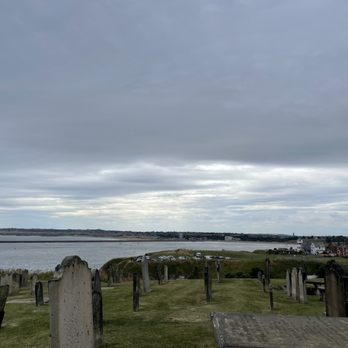
Originally walked past this and thought it looked cute. Then a visiting friend wanted to go, and since it is right at the end of the high street we figured why not, we'd squeeze it in between the Tynemouth Market and getting lunch. Turns out it's bigger on the inside! First of all the views are spectacular, worth it alone. We spent easily an hour just wandering the priory ruins, the little cemetery, and trying to get a photo through one of the WWII gun barrels. The various uses it has been put to over the years have left behind gun emplacements, a small Victorian building that houses the toilets, and a disused 80's quasi-brutalist building that we can hope they incorporate some day - would make a nice restaurant if you ask me. A English Heritage site, so decent gift shop at the entrance with their usual selection of souveniers, gin, mead, and so on. read more


8 years ago
We had such a great day out visiting the priory! What truly made such an amazing difference in our trip was the amazing staff members working there who were so friendly and extremely knowledgeable about the history of the castle and actually convinced us to purchase the guidebook, which actually made the whole experience even better because we were able to follow along and learn a lot about the history. The castle also gives a beautiful view of the coast and the city with lots of shops and food places located all around. read more