
The Krusty Krab Seafood Photos


THE KRUSTY KRAB SEAFOOD ATMOSPHERE


Recommended Reviews - The Krusty Krab Seafood
Start your review...

Reviews With Photos


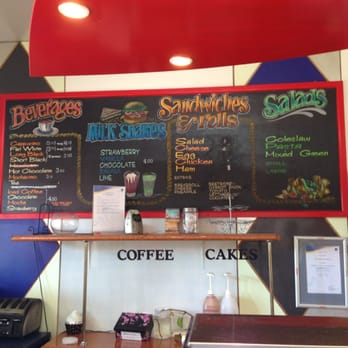
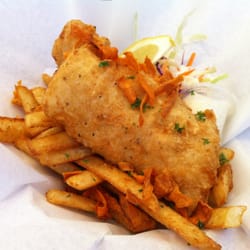
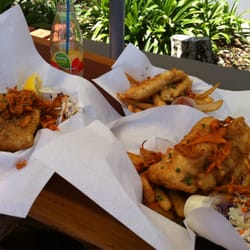
Krusty Krab Seafood, I have been in Mcdowall for a couple of months now and I have only now just made it in to try their "fish & chips." I was impressed. Although, I didn't really have fish, so I will need to update this review once I do try it. So we went in to get a quick meal to take home for lunch, we ordered small chips, two potato scallops & a serve of calamari- grand total $11! I was surprised, usually everything is a lot more pricey, especially when feeding two people. We waited less than ten minutes. The chips had what I look for in a chip but infrequently find, crispy shell, fluffy inner with no oily residue. Not to mention for $3 worth of chips there was a lot, more than enough for two! The potato scallops were really oily and they were also extremely crunchy but devilishly delicious, so I guess who cares that it's oily, I mean you're not going there for a health kick right? The calamari was evenly and clearly recently crumbed, not at all rubbery. The hubby and I very much enjoyed eating at Krusty Krab Seafood and I think it's safe to assume we will be getting our fish & chips from there in future. We spoke to one of the owners and she was incredibly sweet in fact all the staff are very friendly and helpful. At the end of the counter there is an adorable display case full of delicately decorated cupcakes, the owner of Krusty told me the brand of the cakes is called 'Cake It Up' and I very much expect to see and/or hear that around town in the next few years. We tasted one of these cakes and oh wow were they good! We tasted one that had a peanut butter chocolate theme to it, the fondant was great and in the centre of the very well baked sponge cupcake there is a gooey peanut butter chocolate centre. A lot of love put in to these cup cakes! Give them try!


Great Fish and Chips Shop!! Always fresh and good value for money compared to alot of other seafood places these days. Full range of seafood on the menu. Perfect location to grab some chips after getting the groceries in the adjoining shopping centre. The Calamari is some of the best I have had in Brisbane.

7 months ago

2 years ago
4 years ago

13 years ago
Krusty Krab Seafood, I have been in Mcdowall for a couple of months now and I have only now just made it in to try their "fish & chips." I was impressed. Although, I didn't really have fish, so I will need to update this review once I do try it. So we went in to get a quick meal to take home for lunch, we ordered small chips, two potato scallops & a serve of calamari- grand total $11! I was surprised, usually everything is a lot more pricey, especially when feeding two people. We waited less than ten minutes. The chips had what I look for in a chip but infrequently find, crispy shell, fluffy inner with no oily residue. Not to mention for $3 worth of chips there was a lot, more than enough for two! The potato scallops were really oily and they were also extremely crunchy but devilishly delicious, so I guess who cares that it's oily, I mean you're not going there for a health kick right? The calamari was evenly and clearly recently crumbed, not at all rubbery. The hubby and I very much enjoyed eating at Krusty Krab Seafood and I think it's safe to assume we will be getting our fish & chips from there in future. We spoke to one of the owners and she was incredibly sweet in fact all the staff are very friendly and helpful. At the end of the counter there is an adorable display case full of delicately decorated cupcakes, the owner of Krusty told me the brand of the cakes is called 'Cake It Up' and I very much expect to see and/or hear that around town in the next few years. We tasted one of these cakes and oh wow were they good! We tasted one that had a peanut butter chocolate theme to it, the fondant was great and in the centre of the very well baked sponge cupcake there is a gooey peanut butter chocolate centre. A lot of love put in to these cup cakes! Give them try! read more





15 years ago
Great Fish and Chips Shop!! Always fresh and good value for money compared to alot of other seafood places these days. Full range of seafood on the menu. Perfect location to grab some chips after getting the groceries in the adjoining shopping centre. The Calamari is some of the best I have had in Brisbane. read more


Krusty Krab probably needs a name update to match the renovation and what I suspect is a change of ownership. The lovely ladies working the counter are making GREAT fish and chips with a smile and service. If you ask for your chips well done they come golden and crispy (none of those limp pale things I complain about at other locations). They are busy and there is a good reason for it. With fresh fish and good product this is the place to come for your fish and chips in the Everton Hills/McDowell area. We haven't tried them but there is also burgers on the menu. Call ahead if you can as orders placed in person do take up to 1/2 hour when they're busy. Note they close strictly at 7.30 so often stop answering the phone at 7ish if they have a lot of orders. I'm so glad I gave these guys another go and can finally say I've found a good fish and chip shop for those lazy dinners. read more


7 years ago

15 years ago
14 years ago
10 years ago
15 years ago
9 years ago
13 years ago
More info about The Krusty Krab Seafood
103 Beckett Rd
Shop 2
Mcdowall Queensland 4053
Australia
McDowall
Directions
(07) 3353 5488
Call Now
Hours
Food & Alcohol
Indoor Amenities
Outdoor Amenities
Other Amenities













Why does Yelp recommend reviews?
1 review that is not currently recommended
The reviews below are not factored into the business's overall star rating.
2 years ago


