Get information
You can now request information from this business directly from Yelp
Services - Studio A
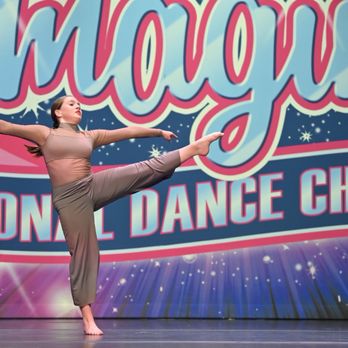
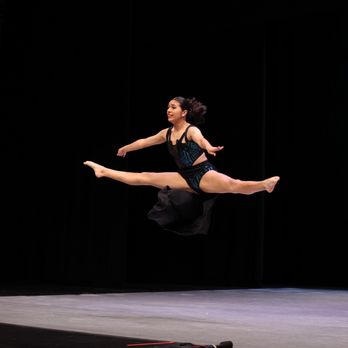
Studio A Photos


You might also consider


More like Studio A
Recommended Reviews - Studio A
Start your review...



1 year ago

1 year ago
This is my first season here at Studio A, my daughter has been dancing for 12 seasons and this is by far the BEST season she's had! It's been so great, my younger daughter also wanted to start taking classes as well! All of the kids and parents are warm and welcoming. You can really tell that Aggie loves and cares for the kids and families who come here! The kids have fun here in addition to their great training and choreography. My daughter's confidence has soared this season! This is exactly the type of environment we were looking for when we signed up for dance!! Not to mention they offer adult dance class as well that I am a part of. We've had a blast this season and can't wait for next season to start! read more
1 year ago
2 years ago
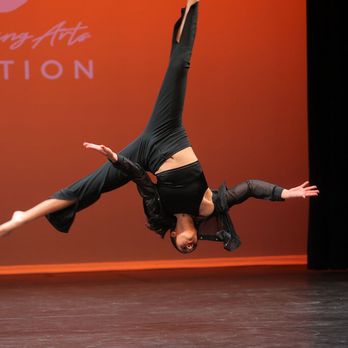
This is our first year at Studio A, after having to leave another studio of 12 years due to a scheduling conflict. We were very lucky to find Studio A and my daughter loves her new dance family. Switching studios is super stressful but Aggie and the Studio A staff made our transition seamless. The dancers are so supportive of each other and made my daughter feel right at home. The parents are all very helpful and have made me feel welcome as well. My daughter's confidence level has soared, and she is loving her new home. If you are looking for a place that offers great technique, flexible scheduling, while being super inclusive and encouraging, then this is the place for you. read more

2 years ago

3 years ago

5 years ago

19 years ago

19 years ago

10 years ago
5 years ago
9 years ago

14 years ago

13 years ago
7 years ago

10 years ago
15 years ago
9 years ago

13 years ago
13 years ago
More info about Studio A
2245 Morello Ave
Pleasant Hill, CA 94523
Directions
(925) 691-0505
Call Now
Visit Website
http://www.studioadance.net
Hours
Payment methods
Indoor Amenities
Outdoor Amenities
Other Amenities
From the Business
Ask the Community - Studio A
Review Highlights - Studio A
You might also consider

























Why does Yelp recommend reviews?
5 reviews that are not currently recommended
The reviews below are not factored into the business's overall star rating.

9 months ago
12 years ago

14 years ago
16 years ago
7 years ago


