
Order Ser Takeout or Delivery
Ser Photos

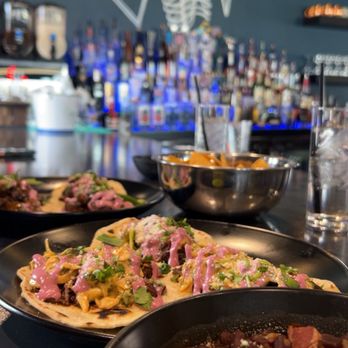


Business Info
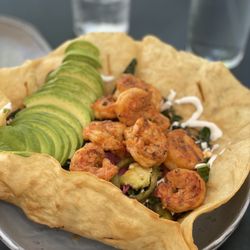
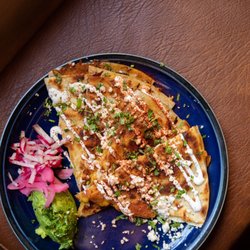
Ser Popular Dishes


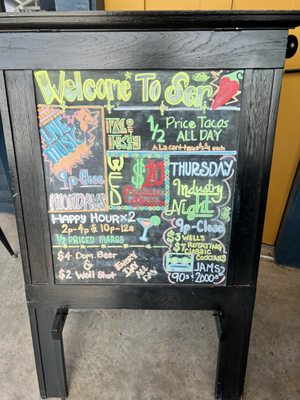


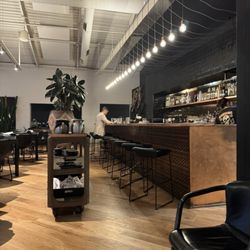
SER ATMOSPHERE
What's the vibe?

You might also consider


More like Ser
Recommended Reviews - Ser
Start your review...

Reviews With Photos
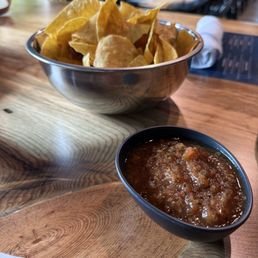

I really enjoyed the restaurant. The food was absolutely delicious. We came here for happy hour, but their happy hour is actually during the time where people are at work or late evening. our server was really nice and suggested delicious things in the menu but pretty much everything is good. The restaurant is very clean and I like the ambience.


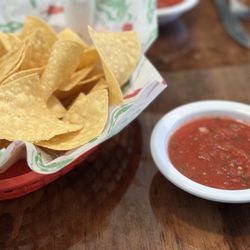
This is my third time here and every time I am so impressed. Their food is so delicious and feels unique. They also bring out specialty sauces that are to die for. My favorite is the dragonfruit! We always end up full and happy after coming. A good thing to keep in mind is that the restaurant is not super large, so if you have a big party make sure to make reservations. Our service is always great too. Kennedy was a fun and accommodating waitress and kept giving us more and more chips. The complimentary chips and salsa are also soo good. They brought out a free dessert for my friends birthday which was so nice. They also have the cutest way to bring you your check - CD cases!


I am so glad that I happened to see this restaurant while across the street at a coffee house. First, the salsa! I needed to jar this and take it home! The chips are well seasoned and come warm also! What a delight! The drinks are delicious and have adorable names. Then the food.....I left happy and full. Our waitress was so nice and took time to tell us about brunch on Saturdays and Sundays. Tacos are also half off on Tuesdays. I will be back from brinch soon with other people to experience this yummy restaurant.


I have been ultra curious about this place ever since I went to Egg & Caphe across the street, sat in the window and looked out and saw the "Ser" sign. Apparently it's the same owners as Guyutes. I'm glad I finally made it today. I walked in around 3:00pm and the place was dead, but do not let that fool you. It wasn't lunch or dinner time and tomorrow is Cinco de Mayo which happens to land on a Taco Tuesday. They are expecting party buses to show up and will have a live DJ. Sounds exciting if you're going with a group of friends, but I'm glad I got to try this restaurant before the madness hit. I sat at the bar and the bartender, Katie, was amazing. She was attentive and friendly and gave great recommendations. First off, the chips and salsa is the best I've ever had and I don't say that lightly. The chips are crisp and crunchy without being oily or greasy and they are so perfectly seasoned..OMG. I also got a Mexican Coke (Fountain drinks are Pepsi Co products) and I ordered a slew of street tacos sans cojita cheese. I think my favorite was the Cochinita Pibil which Katie recommended. The music was good and I love that they bring you the check in an old CD music case. I will definitely come back soon and try the weekend brunch.


This new and unique dining spot was just the place for a recent girls' dinner. The space is cute and comfortable, and our server was a delight. The food was good with many choices for tacos, shareable apps, and variety of main dishes.
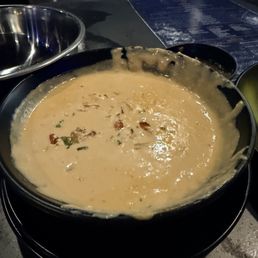

Love this place. The servers are really down to earth and the food has amazing flavor. Great place to watch a thunder game.


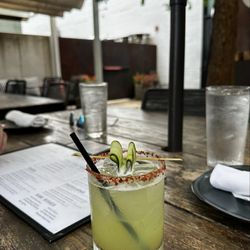
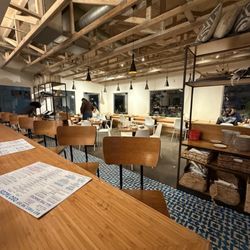
We got the Queso Blanco, Cazuelitas, the Black Fish Tacos, and the Marg #2. Our server, Kennedy was super attentive and kind. She kept our waters and chips full throughout our whole meal and brought the food and drinks out in a timely manner. They have indoor and outdoor seating options. Inside they have comfortable booth and table seating options in addition to bar seating as well. The ambiance is casual and moody.
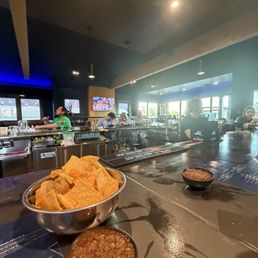

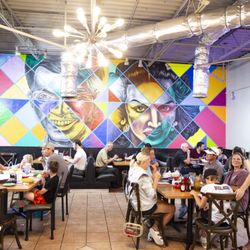
Ser is a great addition to the 23rd St./uptown landscape! I'm excited to go there for the summer with their patio! Their margs are always on point and their chips and salsa are great too! The staff is always kind and the establishment has a great modern vibe to it! Pretty chill place to go catch up with friends over a few drinks!


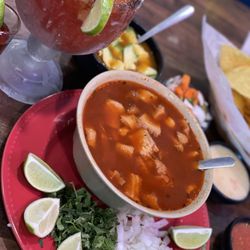
Exceptional Mexican food, the meatball soup was great, and nice seafood offerings as well. The dish I got was either chicken or pork but it had an amazing green sauce and a side of a hash brown or potato. Very cool interior atmosphere with big TVs where you can watch multiple sports games. Very fancy bar also, and excellent service. They also give you the bill in a CD case from the 90s. Check it out on 23rd!


We took the whole family to Ser. Nice restaurant they had TV's to watch rhe basketball game. You could sit inside and outside. The bar area looked really nice loved that. I ordered streak and eggs that was good my eggs was not cook the way i liked it but my streak really good. I ordered a side of rice. MAN that rice was amazing i should of got a picture of that.I ordered my daughter the Chicken Quesadilla. The chicken quesadilla was simple but really hit the spot. The tortilla was perfectly toasted--crispy on the outside and warm on the inside--while the chicken was seasoned just right and super juicy. My husband ordered the cazuelitas as a appetizer.The cazuelitas were a whole vibe! Served warm and packed with bold flavor, each bite had the perfect mix of seasoned meat, melty cheese, and fresh toppings. The portion size was just right for sharing (or not!), and the presentation made it feel like a fun, authentic experience. The service was ok but they were short handed. So I will be going back just to try out something different.


Yes SERRRRRRR!!!! so I finally made it over to try out SER! My buddy and I were talking about the cool vibe of this place! And the next thing you know, we were ordering our drinks and getting some good suggestions on some tacos! I got the brazen beef and Borracho beans. And my friend got the lingua tacos!!!! Everything was delicious. I was wondering if they could find a new way to do the taco and they certainly did it.. I would say it was a newly authentic flavor that they had. You can taste some authentic spices with some original creative salsa. It was really good and visually better. Our bartender was awesome. She gave really good suggestions we will definitely come back.


Overall great new spot! Had the white queso to start, which good white queso is hard to find in OKC. This white queso was pretty good, but could have used a little more flavor or spice. Complimentary chips were very good. Went on taco Tuesday and had the Pollo de Sol and the Campo Poblano. Both were good, but the carrot habanero sauce on the Pollo de Sol was delish. The margarita on the rocks was just okay, a little watered down, but decent. Service was great as well and very attentive.
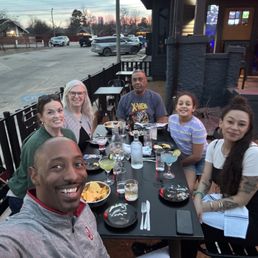

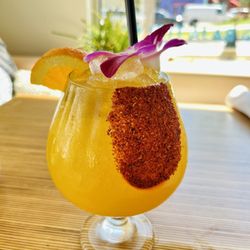
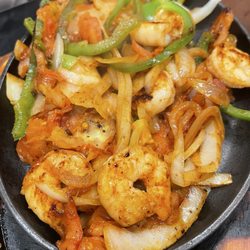
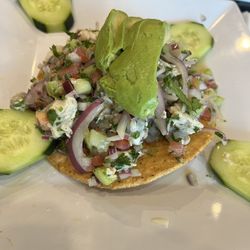
Wow did we ever have an amazing dinner tonight! Not only did we have unseasonably warm weather that enabled us to eat on the patio, but Victoria gave us the best service. Very creative cocktails to start - Loved my Mezcal Me Later and my daughter loved her You're My Boy margarita and the chips and salsa were delish. The salsa was sweet and spicy. We also had the ceviche and the queso, both of which were perfect for our group of six. Dinner included COCHINITA PIBIL, which tasted like Mexico and Hawaii had a baby, and CAMPO POBLANO tacos, two of our party had the fajitas, and CARNE GUISADA that the husband loved. Highly recommend.

2 months ago
26 days ago

2 months ago

I really enjoyed the restaurant. The food was absolutely delicious. We came here for happy hour, but their happy hour is actually during the time where people are at work or late evening. our server was really nice and suggested delicious things in the menu but pretty much everything is good. The restaurant is very clean and I like the ambience. read more
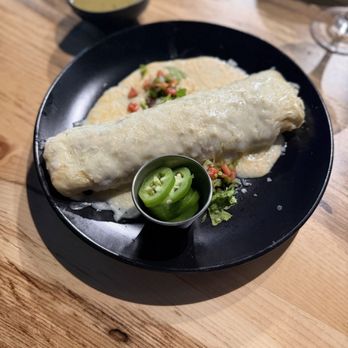
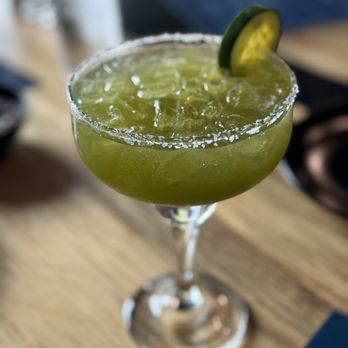


3 months ago
This is my third time here and every time I am so impressed. Their food is so delicious and feels unique. They also bring out specialty sauces that are to die for. My favorite is the dragonfruit! We always end up full and happy after coming. A good thing to keep in mind is that the restaurant is not super large, so if you have a big party make sure to make reservations. Our service is always great too. Kennedy was a fun and accommodating waitress and kept giving us more and more chips. The complimentary chips and salsa are also soo good. They brought out a free dessert for my friends birthday which was so nice. They also have the cutest way to bring you your check - CD cases! read more


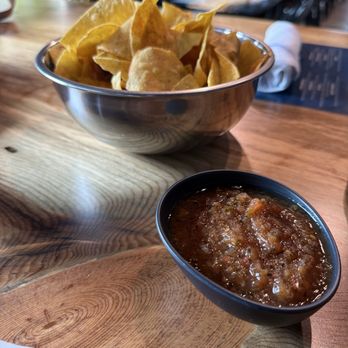
I am so glad that I happened to see this restaurant while across the street at a coffee house. First, the salsa! I needed to jar this and take it home! The chips are well seasoned and come warm also! What a delight! The drinks are delicious and have adorable names. Then the food.....I left happy and full. Our waitress was so nice and took time to tell us about brunch on Saturdays and Sundays. Tacos are also half off on Tuesdays. I will be back from brinch soon with other people to experience this yummy restaurant. read more


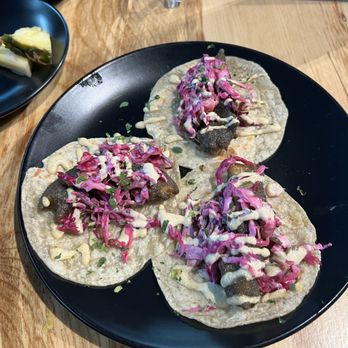
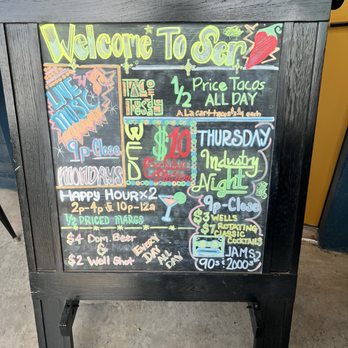
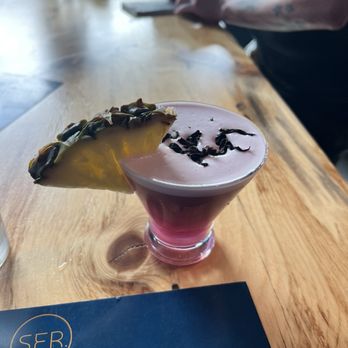

I have been ultra curious about this place ever since I went to Egg & Caphe across the street, sat in the window and looked out and saw the "Ser" sign. Apparently it's the same owners as Guyutes. I'm glad I finally made it today. I walked in around 3:00pm and the place was dead, but do not let that fool you. It wasn't lunch or dinner time and tomorrow is Cinco de Mayo which happens to land on a Taco Tuesday. They are expecting party buses to show up and will have a live DJ. Sounds exciting if you're going with a group of friends, but I'm glad I got to try this restaurant before the madness hit. I sat at the bar and the bartender, Katie, was amazing. She was attentive and friendly and gave great recommendations. First off, the chips and salsa is the best I've ever had and I don't say that lightly. The chips are crisp and crunchy without being oily or greasy and they are so perfectly seasoned..OMG. I also got a Mexican Coke (Fountain drinks are Pepsi Co products) and I ordered a slew of street tacos sans cojita cheese. I think my favorite was the Cochinita Pibil which Katie recommended. The music was good and I love that they bring you the check in an old CD music case. I will definitely come back soon and try the weekend brunch. read more


11 months ago

6 months ago
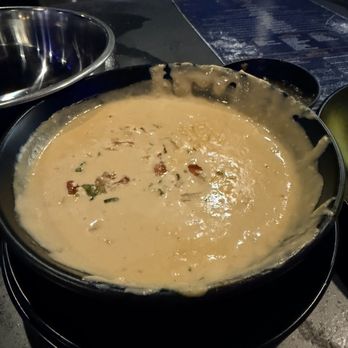
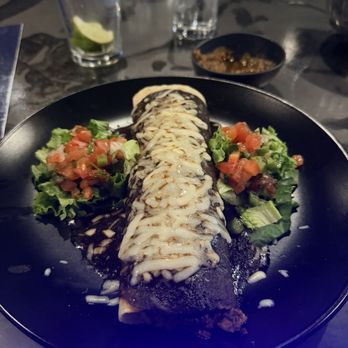
This new and unique dining spot was just the place for a recent girls' dinner. The space is cute and comfortable, and our server was a delight. The food was good with many choices for tacos, shareable apps, and variety of main dishes. read more




3 months ago
We got the Queso Blanco, Cazuelitas, the Black Fish Tacos, and the Marg #2. Our server, Kennedy was super attentive and kind. She kept our waters and chips full throughout our whole meal and brought the food and drinks out in a timely manner. They have indoor and outdoor seating options. Inside they have comfortable booth and table seating options in addition to bar seating as well. The ambiance is casual and moody. read more


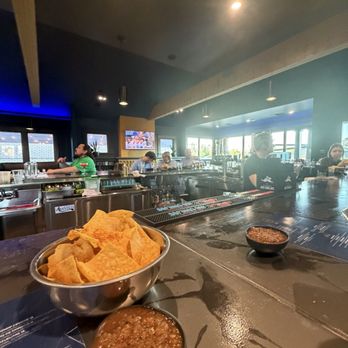
Ser is a great addition to the 23rd St./uptown landscape! I'm excited to go there for the summer with their patio! Their margs are always on point and their chips and salsa are great too! The staff is always kind and the establishment has a great modern vibe to it! Pretty chill place to go catch up with friends over a few drinks! read more
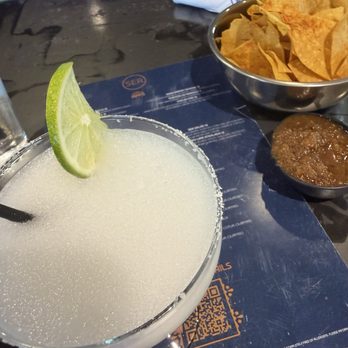


2 months ago

Exceptional Mexican food, the meatball soup was great, and nice seafood offerings as well. The dish I got was either chicken or pork but it had an amazing green sauce and a side of a hash brown or potato. Very cool interior atmosphere with big TVs where you can watch multiple sports games. Very fancy bar also, and excellent service. They also give you the bill in a CD case from the 90s. Check it out on 23rd! read more


We took the whole family to Ser. Nice restaurant they had TV's to watch rhe basketball game. You could sit inside and outside. The bar area looked really nice loved that. I ordered streak and eggs that was good my eggs was not cook the way i liked it but my streak really good. I ordered a side of rice. MAN that rice was amazing i should of got a picture of that.I ordered my daughter the Chicken Quesadilla. The chicken quesadilla was simple but really hit the spot. The tortilla was perfectly toasted--crispy on the outside and warm on the inside--while the chicken was seasoned just right and super juicy. My husband ordered the cazuelitas as a appetizer.The cazuelitas were a whole vibe! Served warm and packed with bold flavor, each bite had the perfect mix of seasoned meat, melty cheese, and fresh toppings. The portion size was just right for sharing (or not!), and the presentation made it feel like a fun, authentic experience. The service was ok but they were short handed. So I will be going back just to try out something different. read more


Yes SERRRRRRR!!!! so I finally made it over to try out SER! My buddy and I were talking about the cool vibe of this place! And the next thing you know, we were ordering our drinks and getting some good suggestions on some tacos! I got the brazen beef and Borracho beans. And my friend got the lingua tacos!!!! Everything was delicious. I was wondering if they could find a new way to do the taco and they certainly did it.. I would say it was a newly authentic flavor that they had. You can taste some authentic spices with some original creative salsa. It was really good and visually better. Our bartender was awesome. She gave really good suggestions we will definitely come back. read more


Overall great new spot! Had the white queso to start, which good white queso is hard to find in OKC. This white queso was pretty good, but could have used a little more flavor or spice. Complimentary chips were very good. Went on taco Tuesday and had the Pollo de Sol and the Campo Poblano. Both were good, but the carrot habanero sauce on the Pollo de Sol was delish. The margarita on the rocks was just okay, a little watered down, but decent. Service was great as well and very attentive. read more

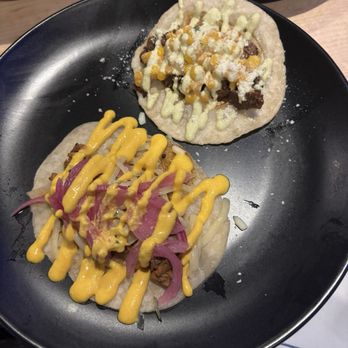


9 months ago
Wow did we ever have an amazing dinner tonight! Not only did we have unseasonably warm weather that enabled us to eat on the patio, but Victoria gave us the best service. Very creative cocktails to start - Loved my Mezcal Me Later and my daughter loved her You're My Boy margarita and the chips and salsa were delish. The salsa was sweet and spicy. We also had the ceviche and the queso, both of which were perfect for our group of six. Dinner included COCHINITA PIBIL, which tasted like Mexico and Hawaii had a baby, and CAMPO POBLANO tacos, two of our party had the fajitas, and CARNE GUISADA that the husband loved. Highly recommend. read more

3 months ago


10 months ago
They have unique Salas to try before your food arrives. Tacos were tasty. The service and ambiance during the day was lovely. My new taco Tuesday spot. read more


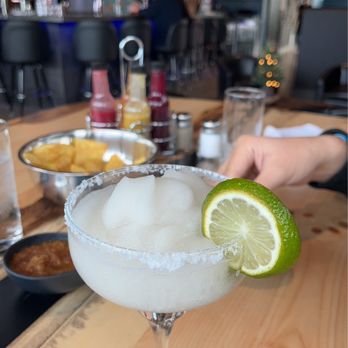
2 months ago

9 months ago
Business owner information

Wayne P.
Hey Edward, thanks for the great review! We appreciate you!

5 months ago

6 months ago
10 months ago
They opened 2 weeks ago, and I'm beyond impressed!! Service was amazing and food was very very good. We'll be back! The home made salsa that comes out with the chips is really flavorful! Unlike most free salsa haha. Here's our quick ratings: Margaritas: 8.5/10 Soft launch cocktail: 10/10 Appetizers: Salsa: 9/10 Guacamole: 9/10 Queso fondito: 7/10 Dinner: Enchiladas: 8/10 Quesadillas: 9.5/10 read more


4 months ago
8 months ago
Service, food, ambiance, vibe......all were outstanding!!! If you haven't given it a chance yet, RUN don't walk. read more


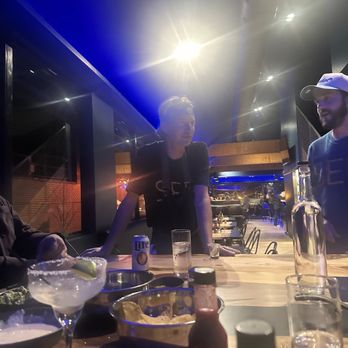
8 months ago

10 months ago
5 months ago

10 months ago
9 months ago
9 months ago
More info about Ser
726 NW 23rd St
Oklahoma City, OK 73103
Uptown
Directions
(405) 673-7104
Call Now
Order Takeout or Delivery
Start Order
Visit Website
https://www.serokc.com
Full menu
Hours
Payment methods
Food & Alcohol
Indoor Amenities
Outdoor Amenities
Other Amenities
From the Business
More Info
Health Score
Ask the Community - Ser
You might also consider

















Why does Yelp recommend reviews?
1 review that is not currently recommended
The reviews below are not factored into the business's overall star rating.
2 months ago


